Key Points
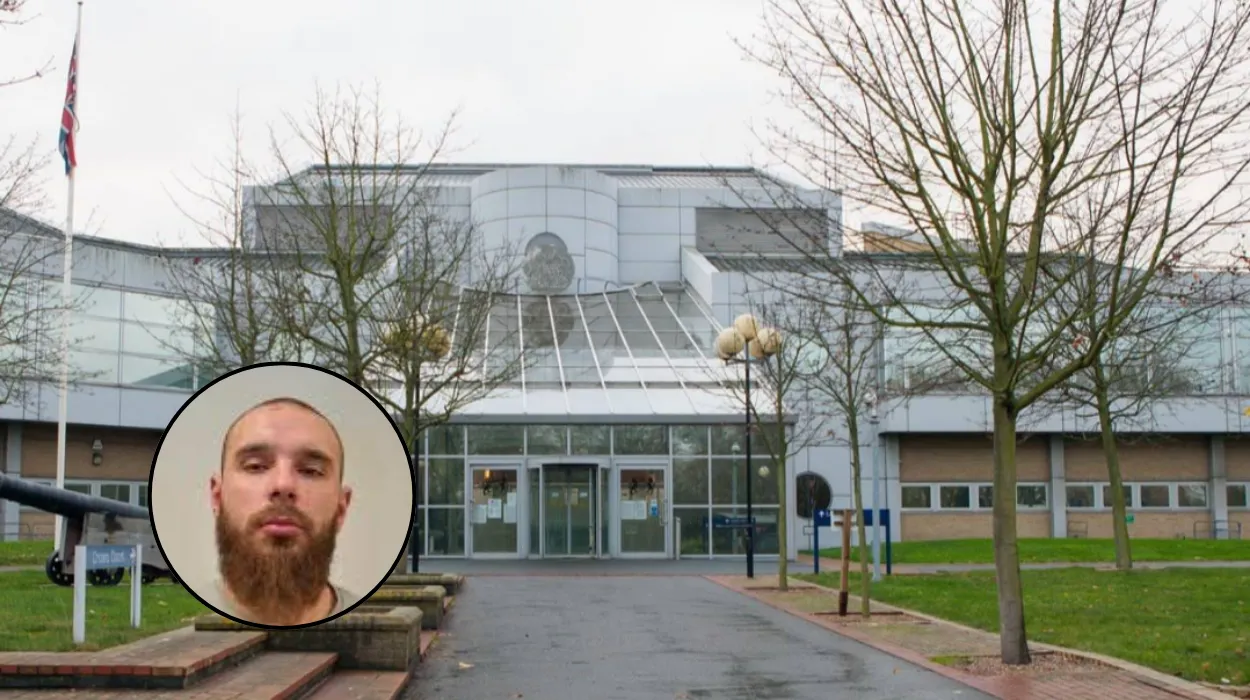
- Robert Adamski, 29, from Leyton in east London, was sentenced to 15 years’ imprisonment with a two-year extended licence period at Woolwich Crown Court on 28 November 2025.
- Police discovered parts of a 3D-printed 9mm calibre semi-automatic rifle and components for an incomplete Harlot .22 long rifle single-shot pistol during a search of his flat in July 2024.
- A firearms expert assembled and tested the incomplete pistol, confirming it was capable of discharging a bullet.
- Officers found extremist material linked to extreme right-wing ideology, including an ‘SS’ flag and images of Adolf Hitler, at Adamski’s flat.
- Adamski’s mobile phone and laptop revealed extensive online searches for 3D-printed gun instructions and parts.
- Digital evidence showed Adamski administered a Telegram group where he shared documents, including a digital manual for manufacturing firearms, found on his computer and an SD card linked to his 3D printer.
- Prosecutors argued the manual could assist in terrorist acts, with Adamski’s online activity showing links to known extremists.
- Adamski disseminated terrorist publications via a Telegram account he created and operated, encouraging acts of terrorism and providing instructions.
- On 16 October 2025, after a two-week trial at Woolwich Crown Court, Adamski was convicted of four counts of disseminating terrorist publications and one count of possessing a document for terrorist purposes; he had pleaded guilty to two counts of possessing a prohibited firearm.
- The case stemmed from a Metropolitan Police Counter Terrorism Command investigation, highlighting risks from 3D-printing misuse.
Leyton, East London (East London Times) 28 January 2026 – Robert Adamski, 29, has been jailed for a total of 15 years following a counter-terrorism prosecution after police uncovered 3D-printed firearm parts and extreme right-wing material at his flat in Leyton. Officers from the Metropolitan Police’s Counter Terrorism Command searched the property in July 2024, finding components of a semi-automatic weapon and evidence of online searches for completion parts. The case underscores emerging threats from accessible 3D-printing technology in the hands of extremists.
- Key Points
- Who Is Robert Adamski and What Did Police Find?
- What Evidence Came from Adamski’s Digital Devices?
- What Were the Charges and Trial Outcome?
- How Was Sentencing Determined?
- What Role Did the Metropolitan Police Play?
- Why Is 3D-Printing a Concern for Counter-Terrorism?
- How Did Telegram Factor into the Case?
- What Do Prosecutors Say About Ideological Motivation?
- What Happens After Sentencing?
- Broader Implications for Public Safety
Who Is Robert Adamski and What Did Police Find?
Robert Adamski, aged 29 and residing in a flat in Leyton, east London, came under scrutiny during a counter-terrorism investigation. As detailed in the court proceedings at Woolwich Crown Court, police executed a search in July 2024 and discovered that Adamski had begun printing parts for a 9mm calibre semi-automatic rifle using a 3D printer. Officers found that he had already printed part of this weapon at his home.
In addition to the semi-automatic rifle parts, police uncovered components of another 3D-printed firearm, identified as a Harlot .22 long rifle single-shot pistol. Although the weapon was incomplete at the time of the search, investigators noted evidence that Adamski had been searching online for the missing parts required to make it operational. A firearms expert later completed the assembly of this pistol, and testing confirmed that it was capable of discharging a bullet.
During the same search, officers found material linked to extreme right-wing ideology at the flat, including an ‘SS’ flag and images of Adolf Hitler. Subsequent examination of Adamski’s mobile phone and laptop revealed extensive online searches related to 3D-printed guns and instructions on how to make them.
What Evidence Came from Adamski’s Digital Devices?
Investigators discovered shared documents on a Telegram group of which Adamski was an administrator. The digital evidence showed that Adamski had actively sought to manufacture a firearm using a digital manual found on his computer and software stored on an SD card connected to the 3D printer. Prosecutors argued that this manual could assist in the commission or preparation of terrorist acts.
Further analysis of Adamski’s online activity revealed searches and references linked to known extremists, which the prosecution said demonstrated ideological motivation. As reported in coverage of the case, the court heard that Adamski had disseminated terrorist publications via a Telegram account he created and operated. Prosecutors showed that this material encouraged others to commit acts of terrorism and provided instructions to assist in carrying out such acts, meeting the legal definition of terrorist publications.
The prosecution also established that by posting this content, Adamski had provided a service enabling others to access and be influenced by extremist material.
What Were the Charges and Trial Outcome?
On 16 October 2025, following a two-week trial at Woolwich Crown Court, Adamski was convicted of four counts of disseminating terrorist publications and one count of possessing a document for terrorist purposes. He had previously pleaded guilty to two counts of possessing a prohibited firearm.
The convictions highlight the severity of Adamski’s actions in both possession and dissemination. Court records confirm these exact charges, with the guilty pleas entered prior to the trial on the dissemination and possession of documents counts.
How Was Sentencing Determined?
On 28 November 2025, at the same Woolwich Crown Court, Adamski was sentenced to 15 years’ imprisonment with a two-year extended licence period. This total sentence reflects the combined impact of all counts, balancing the guilty pleas with the trial convictions.
Prosecutors emphasised the gravity of the offences, noting the potential for real-world harm from functional 3D-printed weapons and the ideological drive behind the materials.
What Role Did the Metropolitan Police Play?
The prosecution followed an investigation by the Metropolitan Police’s Counter Terrorism Command. Officers’ thorough search in July 2024 yielded the critical evidence, from physical components to digital footprints.
Prosecutors said the case demonstrated the risks posed by the misuse of 3D-printing technology to public safety and the justice system’s response to emerging threats. The Met’s proactive counter-terrorism efforts prevented potential escalation, as no completed operational weapons were found in a usable state at the time of arrest.
Why Is 3D-Printing a Concern for Counter-Terrorism?
The discovery of 3D-printed weapon parts raises alarms about the democratisation of firearm production. Adamski’s use of online manuals and Telegram for sharing underscores how accessible technology intersects with extremist networks.
Extensive searches on his devices for instructions illustrate the ease of obtaining such knowledge. The ability to print viable parts, as proven by expert testing, shows that incomplete projects can quickly become threats with minimal additional resources.
How Did Telegram Factor into the Case?
Adamski’s role as administrator of a Telegram group was pivotal. Shared documents there, mirrored on his devices, formed the basis for charges related to terrorist publications.
By operating the account and posting content, Adamski not only possessed but actively distributed material designed to incite terrorism. This digital platform’s role amplifies concerns over encrypted channels facilitating extremism.
What Do Prosecutors Say About Ideological Motivation?
Prosecutors pointed to the extreme right-wing materials, including the ‘SS’ flag and Hitler images, as evidence of motivation. Online references to known extremists further tied Adamski’s activities to broader ideologies.
The ideological context framed the firearm manufacturing not as mere curiosity but as preparation aligned with terrorist intent. This narrative was central to securing convictions on dissemination charges.
What Happens After Sentencing?
Adamski faces 15 years in prison followed by a two-year extended licence, meaning close supervision post-release. This structure aims to mitigate reoffending risks given the nature of the offences.
The case serves as a precedent for handling 3D-printed arms in terrorism contexts, likely influencing future policing and legislation.
Broader Implications for Public Safety
This incident highlights vulnerabilities in regulating 3D-printing amid rising extremism. The Met Police’s success in detection reassures communities in east London, particularly Leyton, where residents may feel the impact most acutely.
As counter-terrorism evolves, such cases remind the public of ongoing vigilance against home-based threats. The justice system’s firm response sends a clear deterrent message.