
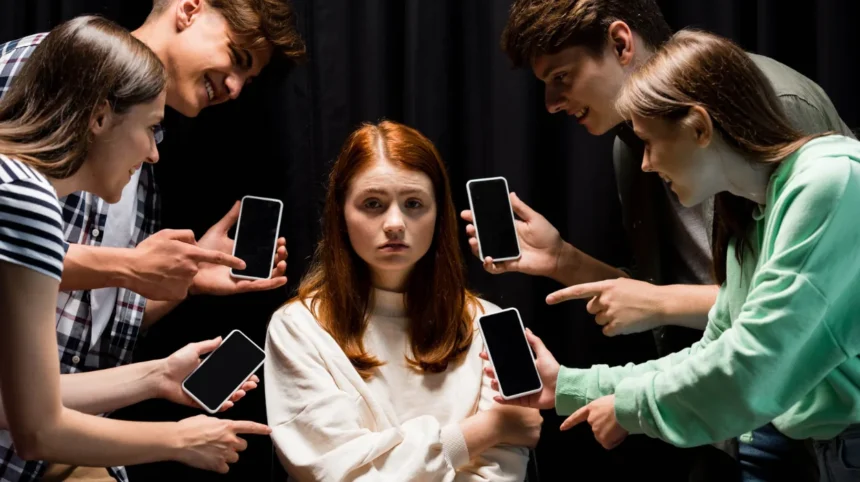
In East London, social media has become an inseparable part of daily life, particularly among young people. Platforms such as Instagram, TikTok, and Snapchat are no longer just tools for communication—they have evolved into spaces where identity, lifestyle, and self-worth are constantly performed and evaluated.
Increasingly, everyday life is being turned into content. From meals and friendships to achievements and personal milestones, many young people feel pressured to present a curated version of reality. This ongoing “performance culture” is quietly reshaping how individuals see themselves and others.
According to the UK Office for National Statistics (ONS), around 1 in 5 young people aged 16–24 report experiencing symptoms of anxiety or depression linked to their online activity. Other studies have also shown that heavy social media use is associated with lower self-esteem and increased social comparison.
In East London boroughs such as Newham, Tower Hamlets, Hackney, and surrounding areas, these pressures are particularly visible. While social media offers opportunities for connection, creativity, and awareness, it can also intensify feelings of inadequacy, especially when users compare their everyday lives to the highly edited versions of others.
A local youth worker in East London commented:
“Many young people don’t realise how much pressure they are under until they take a break from social media. The constant need to appear successful online is affecting their confidence and mental wellbeing.”
Experts suggest that this “validation culture”—where likes, comments, and followers determine self-worth—can lead to emotional dependency and increased anxiety over time.
However, there is a growing counter-movement. More young people are now choosing digital detox periods, limiting screen time, and engaging with more authentic, unfiltered content. Campaigns promoting digital wellbeing are also gaining attention in schools and communities across London.
Ultimately, social media itself is not inherently harmful. The challenge lies in how it is used, and the expectations it creates. In a highly connected city like East London, finding balance between online identity and real-life experience has become an urgent social issue.