Key Points
- The UK Government is considering enhanced oversight powers over Tower Hamlets Council in east London due to concerns over transparency and governance.
- Local Government Secretary Steve Reed announced he is evaluating further intervention powers covering governance, financial management, and recruitment.
- These powers would apply to the Aspire-run authority but only where deemed necessary.
- The council, controlled by the Aspire party since 2022 and founded by Lutfur Rahman (previously banned mayor), welcomed the statement as a chance for improvement.
- Rahman was found guilty of electoral misconduct in 2015, removed from office for corrupt practices, and banned from elections for five years.
- Ministerial envoys were appointed in January 2025 following a 2024 inspection that found insufficient evidence of valuing constructive criticism.
- Reed noted early signs of progress but criticised the council for not grasping the severity of its issues.
- Ernst & Young audit in December identified 10 significant weaknesses, including lack of effective internal controls for public money.
- Envoys to conduct deep dives into licensing, planning, community assets, grants, and recruitment patronage.
- Local Government Association review found strong financial management but overly optimistic self-assessment.
- Deadline for responses set for 2 February, after which Reed will decide.
- Council spokesperson highlighted government’s recognition of progress and cooperation with envoys.
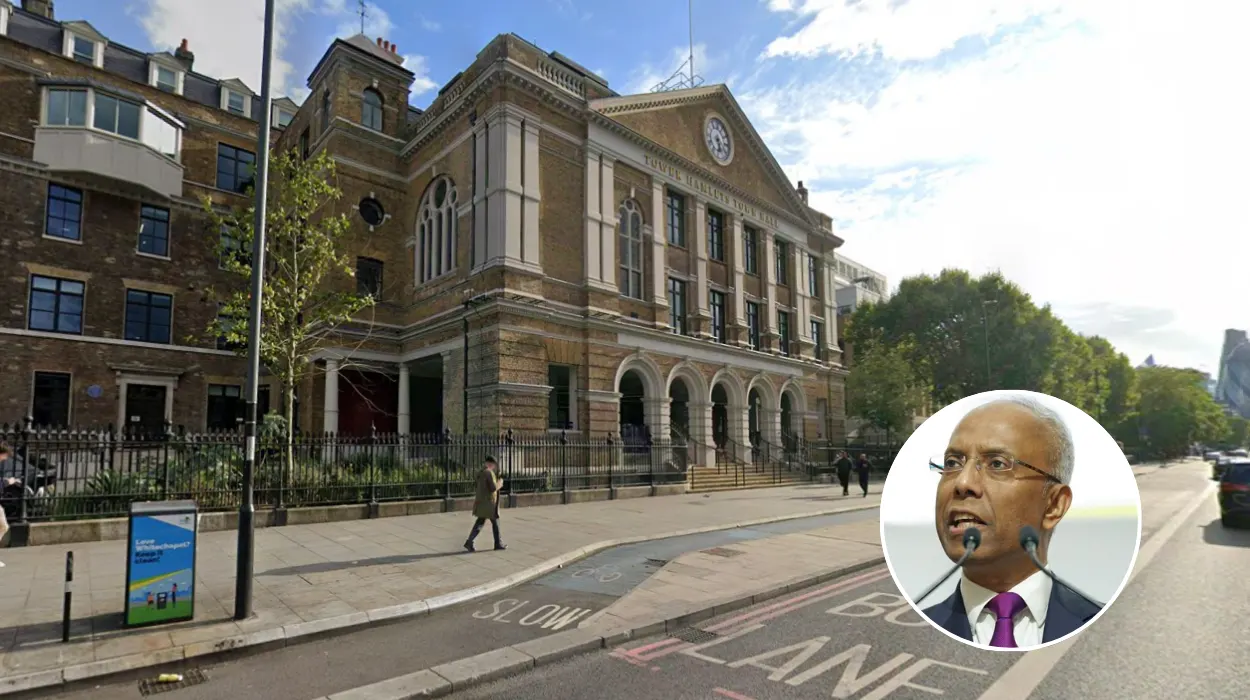
Tower Hamlets, East London (East London Times) January 21, 2026 – The UK Government may intensify its intervention in Tower Hamlets Council amid ongoing concerns about the east London borough’s transparency and governance failures. Local Government Secretary Steve Reed has signalled consideration of expanded powers for officials over the Aspire-led authority’s operations, including governance, financial management, and recruitment practices. This follows ministerial envoys’ deployment and damning audit findings, though the council insists it is making strides.
- Key Points
- Why is the Government considering tighter control?
- What specific weaknesses were identified in the audit?
- How has Tower Hamlets Council responded?
- What is the timeline for decisions?
- Who are the key players involved?
- What powers might the Government impose?
- How does this fit Tower Hamlets’ troubled history?
- What do experts say about the council’s future?
Why is the Government considering tighter control?
Tower Hamlets Council has faced scrutiny since the Aspire party, founded by Lutfur Rahman, gained control in 2022. Rahman, the former mayor, was disqualified in 2015 after an election court found him guilty of corrupt and illegal practices, including electoral misconduct, leading to a five-year ban from office. As reported in a BBC News article from 2015, Rahman was removed following findings of undue influence and bribery in the mayoral election.
The Labour government’s intervention escalated with the appointment of three ministerial envoys in January 2025. This action stemmed from a 2024 inspection by the Ministry of Housing, Communities and Local Government, which concluded there was “insufficient evidence” that the council “valued the constructive criticism required to drive improvement”. In his statement to Parliament, Steve Reed acknowledged “early signs of progress” and “constructive engagement” with the envoys but expressed alarm that the council remained “not sufficiently mindful of, or able to assess its own position”.
Reed specifically highlighted the council’s failure to “understand the severity of its situation”. He referenced a December report by the council’s external auditor, Ernst & Young, which pinpointed 10 “significant” weaknesses in operations. Among these, auditors noted an “absence of an effective internal controls environment to safeguard public money”, raising red flags over financial stewardship in a borough serving over 310,000 residents.
What specific weaknesses were identified in the audit?
The Ernst & Young report laid bare systemic issues at Tower Hamlets Council. As detailed in Reed’s parliamentary statement, the 10 significant weaknesses encompassed deficiencies in internal auditing, risk management, and oversight of key decisions. A core problem was the lack of robust controls to protect public funds, potentially exposing taxpayers to waste or mismanagement.
Further, the envoys are slated to undertake “deep dives” into critical areas: licensing and planning decisions, handling of community assets and grants, and “patronage in recruitment and staff promotions”. These probes aim to unearth whether political influence has skewed processes, echoing past controversies under Rahman’s tenure. Reed emphasised that any new powers would be exercised “only where necessary”, underscoring a targeted rather than blanket approach.
A Local Government Association (LGA) review provided a mixed picture. It praised the council’s “strong financial management” but critiqued its “overly optimistic” self-view of progress. According to the LGA, while financial controls showed resilience, governance lapses persisted, hindering overall improvement.
How has Tower Hamlets Council responded?
A Tower Hamlets Council spokesperson expressed optimism, stating the authority was “pleased that the government recognised the council’s willingness to work closely with the envoys and early signs of progress”. The council positioned Reed’s announcement as “an opportunity to support improvement”, claiming it had already demonstrated advancements since the envoys’ arrival.
This response aligns with the council’s narrative of cooperation. Officials have pointed to implemented changes post-2024 inspection, including enhanced reporting mechanisms. However, Reed’s comments suggest these steps fall short of restoring full confidence. The spokesperson did not address the Ernst & Young weaknesses directly but reiterated commitment to transparency.
Aspire party leaders, including Rahman as a prominent figure, have historically defended their administration against central government overreach. Rahman, now a councillor, has framed interventions as politically motivated, though no direct quote from him appears in Reed’s latest statement.
What is the timeline for decisions?
Steve Reed has allowed until 2 February for the council and “other interested parties” to submit formal responses to the intervention proposals. This period enables stakeholders, including residents’ groups and opposition parties, to weigh in. Following this, Reed will decide on expanding powers, potentially formalising them via statutory instruments.
The envoys’ ongoing work, including the aforementioned deep dives, will inform his ruling. Initial envoy reports, cited by Reed, noted constructive dialogue but persistent gaps in self-awareness. If enacted, new powers could mirror those used in other failing councils, such as commissioners with veto rights over budgets or hires.
Who are the key players involved?
Local Government Secretary Steve Reed, a Labour MP, drives the government’s stance. His parliamentary statement, delivered recently, balances critique with measured praise. The three unnamed ministerial envoys, dispatched in January 2025, operate as independent overseers with access to all council records.
Lutfur Rahman remains central, despite his 2015 downfall. The Aspire party, which he founded post-ban, swept to power in 2022 local elections, capitalising on community support in the diverse borough. Tower Hamlets’ demographics—over 40% Bangladeshi heritage—have long shaped its politics, with Rahman positioning himself as a defender against austerity.
Ernst & Young auditors and LGA reviewers provide external validation. Opposition figures, though not quoted here, have long called for accountability, citing chronic issues like the 2015 scandal.
What powers might the Government impose?
Potential interventions target “governance, financial management and recruitment”. This could include appointing government commissioners with authority to direct policy, override spending, or restructure leadership. Reed stressed proportionality: powers “only where necessary” to avoid stifling local democracy.
Precedents exist, such as Thurrock or Slough councils, where commissioners assumed control amid bankruptcy risks. In Tower Hamlets, focus areas—planning, grants, recruitment—suggest curbing perceived patronage. Deep dives will scrutinise decisions like property sales or staff appointments for nepotism.
Financially, strengthened oversight could mandate balanced budgets, given the borough’s £1 billion-plus spending. Critics argue Aspire’s control has revived 2010s-era opacity, when Rahman was accused of vote-rigging via “ghost voters” and lavish grants to allies.
How does this fit Tower Hamlets’ troubled history?
Tower Hamlets has a chequered past. The 2015 election court ruling against Rahman, covered extensively by the BBC, exposed bribery, undue influence, and false statements. He lost the mayoralty but re-entered politics, founding Aspire to win 2022 elections convincingly.
The 2024 inspection reignited concerns, prompting envoys. Reed’s update marks the first parliamentary airing of Ernst & Young findings, amplifying pressure. Residents face impacts: delayed services, planning controversies, and eroded trust in a borough with high deprivation.
What do experts say about the council’s future?
The LGA review tempers alarm, lauding financial strengths amid governance woes. Analysts note Aspire’s grip relies on ethnic bloc voting, complicating reform. Government escalation risks legal challenges, as councils can judicially review interventions.
Yet, Reed’s deadline offers a reprieve. If progress accelerates—via envoy recommendations—full powers might avert. Failure could entrench central control, reshaping east London politics.