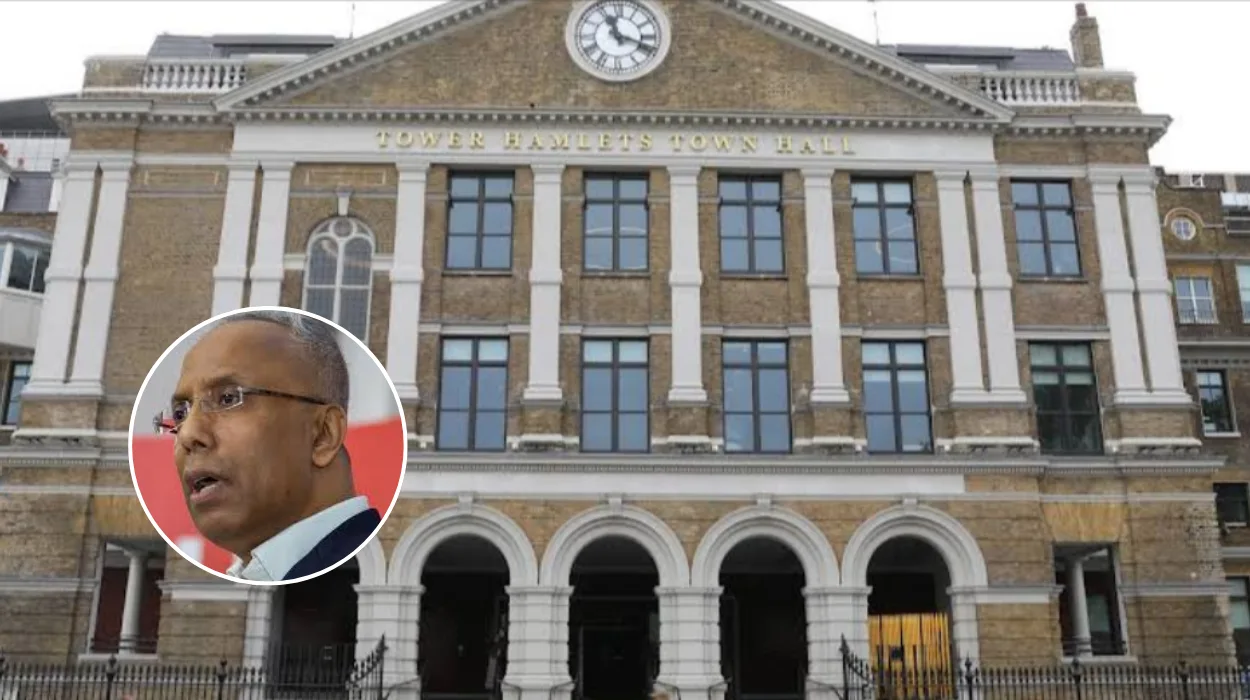
Key Points
- Tower Hamlets councillors from the ruling Aspire party rejected a Labour motion to publicly discuss ministerial concerns over the borough’s governance and financial management at a full council meeting on Wednesday night.
- Local Government Secretary Steve Reed announced earlier in the week that the Government is launching a series of “probes” into allegations of “patronage” at the council, covering jobs, staff promotions, activities of the mayor’s office, housing, planning, and licensing decisions.
- The minister expressed particular concern about elected Mayor Lutfur Rahman’s advisory team.
- Labour councillor Marc Francis urged immediate debate, citing “significant new information” from the Secretary of State’s statement on Monday regarding the increased scale of intervention under the current mayor’s leadership.
- Aspire councillors voted to postpone discussion until next month, pending a complete report and full submissions.
- This follows formal Government intervention last year, prompted by a damning report highlighting a “toxic” political culture under Mayor Rahman, which led to the appointment of envoys.
- The Government’s stepped-up interventions signal growing alarm over the borough’s deteriorating financial management and governance.
Tower Hamlets (East London Times) January 21, 2026 – Councillors in Tower Hamlets rejected calls for an urgent public debate on escalating Government interventions, as ministers threaten further action over claims of deteriorating governance under Mayor Lutfur Rahman. The ruling Aspire party voted down a Labour motion at Wednesday night’s full council meeting, opting instead to delay discussion until a comprehensive report is received. This comes amid Local Government Secretary Steve Reed’s announcement of new probes into alleged patronage across key council functions.
- Key Points
- Why Did Councillors Reject the Debate?
- What Interventions Has the Government Announced?
- Who Is Mayor Lutfur Rahman and What Are the Concerns?
- What Was the Context of Last Year’s Intervention?
- How Does This Affect Tower Hamlets Residents?
- What Is the Aspire Party’s Position?
- What Happens Next for Tower Hamlets Council?
- Why Is Governance Scrutiny Important in Local Councils?
- Background on Tower Hamlets Political Dynamics
- Implications for Mayor Lutfur Rahman’s Leadership?
- How Does This Fit Wider Government Policy?
Why Did Councillors Reject the Debate?
Labour councillors pushed for immediate scrutiny of the minister’s claims that the town hall’s “financial management and governance appears to be deteriorating”. As reported by journalists at the Evening Standard, Labour councillor Marc Francis stated:
“The Secretary of State’s statement on Monday raised serious matters relating to the government intervention of Tower Hamlets council.”
He emphasised:
“Significant new information has been placed in the public domain regarding the increased scale of intervention and the given reasons for increasing the extent of the intervention in Tower Hamlets council under the current mayor’s leadership.”
Francis warned that without prompt discussion,
“any public debate and timely democratic scrutiny of this decision, and its reasoning, would not be heard until the March full council meeting, which is after the date that the council has been given to submit its response to the Secretary of State’s statement.”
In response, Aspire councillors, representing the mayor’s party, called for the discussion to be deferred until next month. They argued that a complete report and their submissions needed to be “received in full” before any public airing. This decision effectively dodged immediate questions on the Government’s heightened scrutiny, leaving residents without transparent insight at a critical juncture. The move underscores tensions between the ruling party and opposition over handling ministerial pressure.
What Interventions Has the Government Announced?
Local Government Secretary Steve Reed declared earlier this week that a series of “probes” will target “patronage” at the local authority. These investigations encompass jobs, staff promotions, activities of the mayor’s office, housing, planning, and licensing decisions.
The minister voiced particular concern about elected Mayor Lutfur Rahman’s advisory team, suggesting deep unease with its operations. As covered in the Evening Standard, this escalation builds on prior interventions, with Reed stating the borough’s management shows signs of decline.
The probes represent a formal escalation, aiming to unearth evidence of undue influence or favouritism. No specific timeline for these inquiries was detailed in initial announcements, but they coincide with deadlines for the council’s response to the Secretary of State’s statement. This structured approach reflects the Government’s intent to address systemic issues methodically.
Who Is Mayor Lutfur Rahman and What Are the Concerns?
Elected Mayor Lutfur Rahman has been at the centre of scrutiny, with ministers focusing on his advisory team’s role. The Evening Standard reports highlight Government worries over a pattern of issues under his leadership, including potential patronage in decision-making. Rahman’s tenure has previously drawn criticism, notably in a damning report last year that exposed a “toxic” political culture. That report, as referenced by Evening Standard journalists, prompted initial formal interventions, including the dispatch of envoys to oversee improvements.
Rahman and Aspire supporters maintain that the council is addressing concerns internally. However, the rejection of the debate motion raises questions about openness. Critics, including Labour, argue this delays accountability, potentially allowing issues to fester.
What Was the Context of Last Year’s Intervention?
Ministers formally intervened in the east London authority last year following a damning report on a “toxic” political culture under Mr Rahman. As detailed in prior Evening Standard coverage, this led to envoys being sent to monitor and advise the council.
The report cited governance lapses and cultural problems that undermined effective administration. This year’s developments mark a stepping up, with probes now targeting specific operational areas.
The envoys’ involvement was an early signal of central Government alarm. Delays in resolving these issues appear to have prompted the current threats of takeover, positioning Tower Hamlets at a precarious crossroads.
How Does This Affect Tower Hamlets Residents?
Tower Hamlets, a densely populated east London borough known for its diversity and economic challenges, faces potential disruption from prolonged uncertainty. Housing, planning, and licensing decisions—key areas under probe—directly impact residents’ lives, from home approvals to job opportunities. The Evening Standard notes that financial deterioration claims could strain services like social care and infrastructure maintenance. Without swift resolution, everyday council functions risk paralysis.
Residents may question the councillors’ reluctance to engage publicly, especially as Government deadlines loom. The March full council meeting, post-response deadline, further limits timely input from locals.
What Is the Aspire Party’s Position?
Aspire councillors justified postponing the debate by insisting on full documentation first. They voted down the Labour motion en bloc, prioritising internal review over public spectacle. This stance aligns with Mayor Rahman’s approach of controlled responses to external pressures. No Aspire spokesperson issued a direct quote in immediate coverage, but their collective decision speaks to a strategy of measured engagement.
Supporters might view this as prudent, avoiding rushed commentary. Detractors see it as evasion, shielding leadership from scrutiny.
What Happens Next for Tower Hamlets Council?
The council must submit its response to Secretary Reed’s statement before the March meeting. Probes into patronage will proceed independently, potentially leading to sanctions or full takeover if findings warrant. Historical precedents in other councils show such interventions can culminate in commissioners assuming control. Tower Hamlets’ future hinges on the efficacy of its rebuttal and probe outcomes.
Labour’s push highlights cross-party concern, though Aspire’s majority holds sway. Ongoing coverage will track submission details and Government reactions.
Why Is Governance Scrutiny Important in Local Councils?
Governance probes ensure public funds and powers serve communities, not cliques. In Tower Hamlets, allegations of patronage erode trust in a borough already grappling with deprivation indices. Neutral observers note that transparent debate fosters accountability, a cornerstone of British local democracy. The Evening Standard’s reporting underscores the stakes: unchecked deterioration could trigger central control, sidelining elected officials.
This case exemplifies broader challenges in UK local government, where political cultures can impede service delivery.
Background on Tower Hamlets Political Dynamics
Tower Hamlets has a fractious political history, with Mayor Rahman’s Aspire party dominating since his re-election. Labour, as the main opposition, frequently clashes over direction. The “toxic culture” report from last year catalysed initial interventions, focusing on leadership styles and internal relations. Current escalations amplify these tensions amid national pushes for local authority probity.
Diversity in the borough—home to large Bangladeshi, Somali, and other communities—amplifies calls for equitable governance.
Implications for Mayor Lutfur Rahman’s Leadership?
Mayor Rahman’s advisory team draws specific ministerial ire, questioning its influence on decisions. Past controversies, including his 2015 disqualification (later overturned), colour perceptions. Aspire’s defence hinges on demonstrating improvements since envoys arrived. Failure risks personal and party repercussions, potentially reshaping east London politics.
Rahman remains a polarising figure, lauded by supporters for community focus, critiqued for alleged cronyism.
How Does This Fit Wider Government Policy?
Under Local Government Secretary Steve Reed, the Government targets failing councils to safeguard taxpayers. Tower Hamlets joins others under watch, reflecting a zero-tolerance stance on mismanagement. Interventions balance local autonomy with national oversight, per statutory powers. This proactive approach aims to preempt crises.
Outcomes could set precedents for handling similar boroughs nationwide.
In a borough pivotal to London’s fabric, this saga tests democratic resilience. With probes underway and debates deferred, Tower Hamlets awaits clarity amid mounting pressure.