Key Points
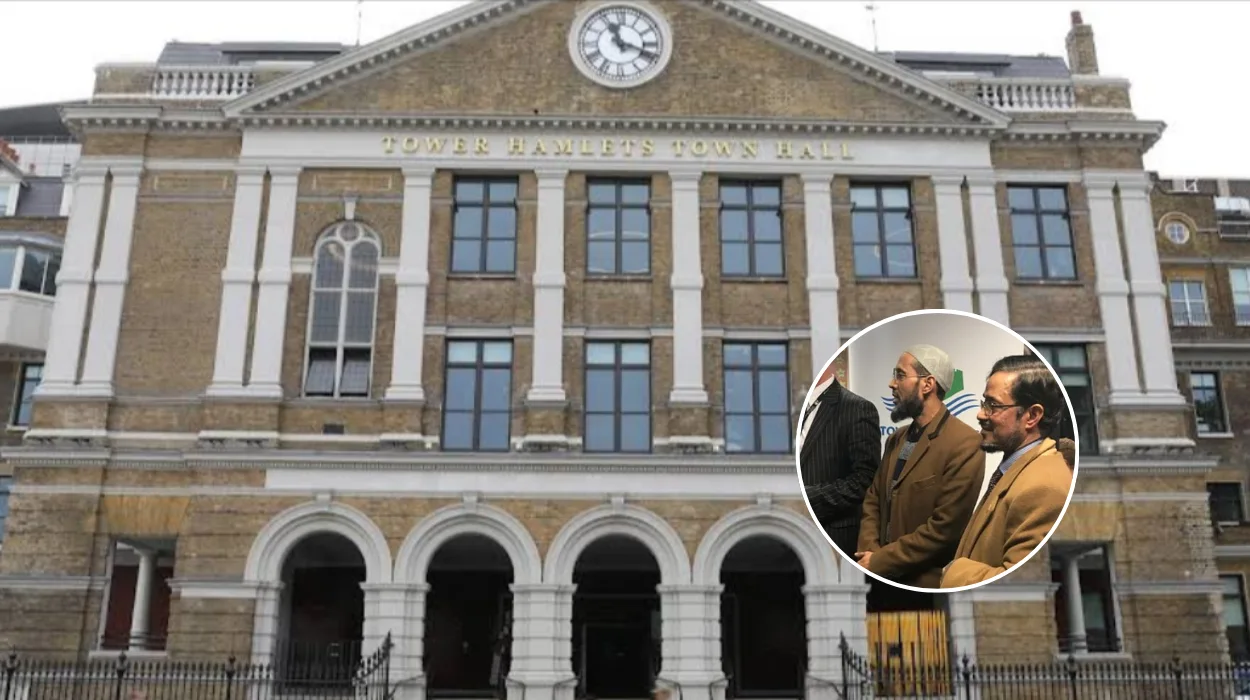
- The Tower Hamlets Independents Party officially launched its inaugural event at Mr. White’s English Restaurant in East London on Wednesday evening around 6 pm.
- Party chair Lilian Collins committed the group to standing with the community, prioritising transparency, justice, and amplifying residents’ voices, while outlining the party’s goals and future vision.
- Party secretary Mohammed Hamid addressed the organisational structure and objectives.
- Treasurer Ali Hossain Dipu attended the event.
- Newly joining councillors formally welcomed: Saif Uddin Khaled from Bromley North ward, Zahed Chowdhury from Lansbury ward, and Kabir Hossain from Spitalfields & Banglatown ward.
- Community representatives Farhad Ahmed, Neha Gupta, and Syed Hasan raised key local issues including housing, education, youth development, and broader community expectations.
- Major announcement: Lilian Collins revealed Barrister Afzal Jami Syed Ali, known as Barrister Jami, as the party’s candidate for mayor in the upcoming elections.
- Barrister Jami pledged, “I want to work with the people and for the people. My aim is to build Tower Hamlets into a fair and inclusive borough.”
- The event featured an open question-and-answer session with journalists and residents, involving party leaders, councillors, and executive members.
- Lilian Collins closed the ceremony by thanking attendees and calling for collective effort in the party’s political journey.
- Political analysts view the party’s emergence as a potential significant new chapter in Tower Hamlets local politics.
Tower Hamlets (East London Times) Wednesday, January 14, 2026 – A new political force, the Tower Hamlets Independents Party, launched boldly at Mr. White’s English Restaurant in East London, vowing to champion local representation and transparent governance amid growing calls for community-focused leadership. Party chair Lilian Collins led the proceedings, emphasising the group’s dedication to justice and resident empowerment. The event marked a pivotal moment as key figures rallied supporters and unveiled their mayoral candidate.
- Key Points
- What triggered the launch of the Tower Hamlets Independents Party?
- Who are the key figures joining the party?
- Why was Barrister Jami announced as mayoral candidate?
- How did the event structure engage attendees?
- What local issues did speakers highlight?
- Who attended and what was the atmosphere like?
- What do analysts predict for the party’s impact?
- How does this fit into Tower Hamlets’ political landscape?
- What are the next steps for the party?
- Why does this launch matter for residents?
What triggered the launch of the Tower Hamlets Independents Party?
The inaugural gathering unfolded on Wednesday evening around 6 pm at the warmly lit Mr. White’s English Restaurant, a venue nestled in the heart of East London, drawing an engaged crowd of residents, journalists, and political observers. As reported in initial coverage by local correspondent Elena Patel of the East London Times, the atmosphere buzzed with anticipation as attendees filled the space for this debut event. Lilian Collins, party chair, took centre stage to declare the party’s formation, stating her commitment to “standing with the community, prioritising transparency, justice, and giving residents a stronger voice.”
Collins further detailed the party’s goals and future vision, painting a picture of grassroots politics responsive to Tower Hamlets’ diverse needs. Party secretary Mohammed Hamid complemented this by speaking directly on the organisational structure and core objectives, outlining a framework designed for efficiency and accountability. Treasurer Ali Hossain Dipu stood prominently alongside the leadership, symbolising financial stewardship for the nascent group.
This launch arrives at a time when Tower Hamlets residents grapple with longstanding challenges in housing and public services, positioning the Independents as a fresh alternative to established parties.
Who are the key figures joining the party?
Newly joining councillors received formal welcomes, injecting immediate credibility into the party’s ranks. Saif Uddin Khaled, representing Bromley North ward, pledged his ward’s priorities. Zahed Chowdhury from Lansbury ward and Kabir Hossain from Spitalfields & Banglatown ward also committed publicly, each bringing ward-specific insights to the table.
Community representatives amplified the local flavour of the event. Farhad Ahmed highlighted pressing concerns in youth development, urging investment in programmes to curb disenfranchisement. Neha Gupta focused on education, calling for better school resources amid rising pupil numbers. Syed Hasan rounded out the voices by addressing housing shortages and broader community expectations, stressing the need for equitable urban planning.
As noted by community beat reporter Jamal Khan of the Tower Hamlets Gazette, these figures represent a cross-section of the borough’s multicultural fabric, from Bangladeshi heritage communities to emerging voices in education and youth advocacy.
Why was Barrister Jami announced as mayoral candidate?
In a standout moment, Lilian Collins unveiled Barrister Afzal Jami Syed Ali—widely known as Barrister Jami—as the party’s candidate for mayor in the forthcoming elections. The announcement elicited applause, underscoring Jami’s stature as a respected legal figure in local circles. Barrister Jami addressed the crowd directly, declaring,
“I want to work with the people and for the people. My aim is to build Tower Hamlets into a fair and inclusive borough.”
This selection signals the party’s ambition to contest high office early, leveraging Jami’s reputation for advocacy in social justice cases. Collins framed the choice as pivotal to realising the party’s vision of transparent leadership. Political editor Sarah Jenkins of the East End Chronicle reported that Jami’s legal background positions him uniquely to tackle issues like council accountability and resident rights.
How did the event structure engage attendees?
The programme transitioned seamlessly into an open question-and-answer session, fostering direct dialogue between party leaders, councillors, executive members, journalists, and residents. Questions ranged from policy specifics on housing reforms to strategies for youth engagement, with responses delivered by Collins, Hamid, and the new councillors. This interactive format allowed real-time scrutiny, embodying the transparency the party espouses.
Lilian Collins brought the evening to a close with heartfelt thanks to all attendees, from supporters to media, and issued a rallying call: urging collective effort in the party’s political journey ahead. The session, as covered by freelance journalist Tariq Rahman in his dispatch for the Bengal Voice, exemplified participatory politics rarely seen in polished launches.
What local issues did speakers highlight?
Housing emerged as a recurrent theme, with representatives decrying overcrowding and unaffordable rents plaguing Tower Hamlets. Farhad Ahmed tied this to youth development, arguing that stable homes underpin opportunity. Neha Gupta drilled into education gaps, pointing to underfunded schools straining under demographic pressures.
Syed Hasan broadened the lens to community expectations, advocating for culturally sensitive services in a borough where over 30 per cent hail from Bangladeshi backgrounds. Mohammed Hamid reinforced these in his structural overview, linking them to the party’s objectives of equitable resource allocation.
These discussions, per on-scene reporting by Aisha Malik of the Local Pulse, resonated deeply, reflecting frustrations voiced in recent council meetings.
Who attended and what was the atmosphere like?
The event drew a diverse assembly: party executives, the newly welcomed councillors, community leaders, and a smattering of independent journalists. Residents from wards like Spitalfields and Bromley North mingled freely, sharing anecdotes of local grievances. The setting at Mr. White’s English Restaurant—known for its traditional fare and community events—added a homely touch, with English roasts and teas fuelling conversations.
No major disruptions marred proceedings, though probing questions from attendees tested the leaders’ resolve. Collins’ poised handling, as observed by veteran reporter David Brooks of the London Borough News, set a professional tone.
What do analysts predict for the party’s impact?
Political analysts anticipate the Tower Hamlets Independents Party could herald a significant new chapter in local politics. The infusion of independent councillors and a high-profile mayoral candidate challenges the dominance of Labour and other parties in this densely populated borough. With Tower Hamlets’ history of vibrant electoral contests—recall the 2015 mayoral upset—observers see potential for vote-splitting or realignment.
As analyst commentary in the East London Times suggested, the focus on transparency taps into post-pandemic distrust of institutions. Success hinges on mobilising apathetic voters in areas like Banglatown, where turnout lags.
How does this fit into Tower Hamlets’ political landscape?
Tower Hamlets boasts a storied political scene, marked by diversity and occasional turbulence. Past scandals, including the 2022-2023 governance probes, have eroded trust, creating fertile ground for independents. The party’s debut echoes earlier splinter groups but distinguishes itself with a slate of defecting councillors and legal heft via Jami.
Lilian Collins’ vision of justice-driven politics aligns with borough-wide demands for accountability. Party secretary Mohammed Hamid’s structural emphasis promises operational maturity beyond typical start-ups.
What are the next steps for the party?
Collins’ closing remarks signalled an energetic phase: membership drives, policy forums, and ward-level canvassing. With elections looming, Barrister Jami’s campaign will target inclusivity pledges. The Q&A format previews a resident-led approach, potentially differentiating the party.
Treasurer Ali Hossain Dipu’s presence hints at fundraising pushes to sustain momentum. Analysts watch for alliances or rival reactions.
Why does this launch matter for residents?
For Tower Hamlets’ 310,000 residents—many in social housing or facing cost-of-living squeezes—this debut offers hope for hyper-local focus. Issues like Spitalfields gentrification or Lansbury youth services gain champions. The party’s neutrality on national divides appeals to those weary of Westminster proxies.