Key Points
- Deputy Mayor Maium Talukdar, Her Excellency Abida Islam, High Commissioner of the People’s Republic of Bangladesh to the United Kingdom, Speaker of the Council Councillor Suluk Ahmed, and Nurul Islam, General Secretary of Kendrio Shaheed Minar Committee, paid tribute at Altab Ali Park in Whitechapel.
- Community leaders, residents, and representatives of the Bangladesh High Commission gathered in the early hours of February 21 to observe United Nations’ International Mother Language Day.
- February 21 commemorates the 1952 killing of four students in Bangladesh during a campaign for official recognition of the Bengali language; it has been a public holiday in Bangladesh since 1953.
- The United Nations Educational, Scientific and Cultural Organization (UNESCO) approved International Mother Language Day at its 1999 General Conference to highlight cultural and linguistic diversity’s role in sustainable societies and fostering tolerance.
- This year’s theme, “Youth Voices on Multilingual Education,” emphasises young people’s role in multilingual education, viewing language as central to identity, learning, well-being, and societal participation.
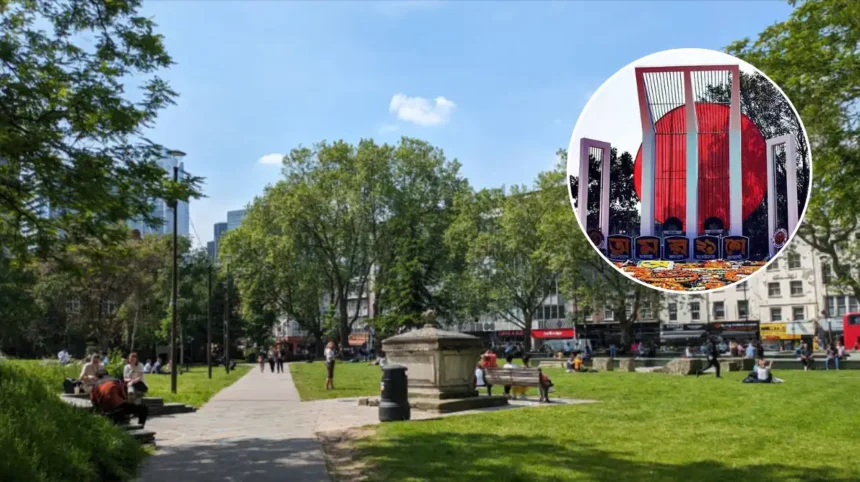
- Tower Hamlets Council, in partnership with the Kendrio Shaheed Minar Committee (KSMC), hosted the annual remembrance event at the replica Shaheed Minar (‘Martyrs Monument’) in Altab Ali Park, mirroring the original in Dhaka, Bangladesh.
- Wreaths were laid by Deputy Mayor Maium Talukdar, Her Excellency Abida Islam, and Nurul Islam at the Shaheed Minar.
- Deputy Mayor Maium Talukdar described it as a privilege to honour sacrifices for native languages and praised Tower Hamlets’ diversity.
- Her Excellency Abida Islam linked the day to the 1952 Language Movement, highlighting Bangladesh’s 41 living languages and ten institutions for minority heritage preservation.
- Tower Hamlets’ Young Community Languages service supports learning Bangla, Somali, Cantonese, Mandarin, Arabic, and more to connect youth with heritage.
Tower Hamlets (East London Times) February 23, 2026 – Deputy Mayor Maium Talukdar, Her Excellency Abida Islam, High Commissioner of the People’s Republic of Bangladesh to the United Kingdom, Speaker of the Council Councillor Suluk Ahmed, and community representatives gathered at Altab Ali Park in Whitechapel to commemorate International Mother Language Day, laying wreaths at the replica Shaheed Minar in honour of the 1952 Language Movement martyrs.
- Key Points
- What Is International Mother Language Day?
- Who Attended the Tower Hamlets Commemoration?
- What Did Deputy Mayor Maium Talukdar Say?
- What Was Her Excellency Abida Islam’s Message?
- Why Was the Theme “Youth Voices on Multilingual Education”?
- How Does Tower Hamlets Council Support Multilingualism?
- What Is the Historical Significance of Shaheed Minar?
- Which Communities Participated in the Event?
- What Role Does UNESCO Play?
- How Does Bangladesh Preserve Languages Today?
- Why Is Linguistic Diversity Vital in Tower Hamlets?
- What Happens at the Annual Tower Hamlets Event?
- Broader Impact on UK Bengali Community?
The event, hosted annually by Tower Hamlets Council alongside the Kendrio Shaheed Minar Committee (KSMC), drew residents, leaders, and Bangladesh High Commission officials in the early hours of February 21. This observance underscores the borough’s commitment to linguistic diversity amid its multicultural fabric.
What Is International Mother Language Day?
International Mother Language Day stems from a pivotal moment in Bangladesh’s history on February 21, 1952, when four students were killed during protests demanding Bengali’s official status. That date became a public holiday in Bangladesh from 1953, evolving into a global recognition after UNESCO’s 1999 General Conference endorsement. The day promotes cultural and linguistic diversity as vital for sustainable societies, tolerance, and respect across differences.
Marked worldwide, it celebrates languages’ role beyond communication—as anchors of identity and heritage. Tower Hamlets’ event at Altab Ali Park’s Shaheed Minar replica directly echoes Dhaka’s Martyrs Monument, making the borough a key site for this tribute in the UK.
Who Attended the Tower Hamlets Commemoration?
Key figures included Deputy Mayor Maium Talukdar, who also serves as Cabinet Member for Education, Youth, and Lifelong Learning; Her Excellency Abida Islam, High Commissioner of the People’s Republic of Bangladesh to the United Kingdom; Speaker of the Council, Councillor Suluk Ahmed; and Nurul Islam, General Secretary of Kendrio Shaheed Minar Committee. Community leaders, local residents, and Bangladesh High Commission representatives joined the early morning gathering at Altab Ali Park in Whitechapel.
Wreaths were specifically laid by Deputy Mayor Maium Talukdar, Her Excellency Abida Islam, and Nurul Islam at the Shaheed Minar, symbolising collective reverence for the martyrs.
What Did Deputy Mayor Maium Talukdar Say?
As reported in coverage of the event, Deputy Mayor Maium Talukdar, Cabinet Member for Education, Youth, and Lifelong Learning, said:
“It is a privilege to pay tribute to those who have made momentous sacrifices for the recognition of their native languages. Tower Hamlets is proud to celebrate its diversity and rich history of being home to people of different languages and cultures. The theme of this year’s commemoration highlights the importance of preserving linguistic diversity amongst younger generations.”
Her remarks emphasise the borough’s multicultural ethos and the need to pass linguistic heritage to youth.
What Was Her Excellency Abida Islam’s Message?
Her Excellency Abida Islam, High Commissioner of the People’s Republic of Bangladesh to the United Kingdom, delivered a poignant address, stating:
“International Mother Language Day traces its origins to the historic Language Movement of Bangladesh in 1952, when courageous young students sacrificed their lives to uphold the rightful dignity of their mother tongue, Bangla. Their sacrifice reminds the world that language is far more than a means of communication—it is the foundation of identity, culture, and social equity.
This year’s theme, “Youth Voices on Multilingual Education,” highlights the vital role young people play as guardians of our global linguistic heritage. Their energy, advocacy, and commitment ensure that linguistic diversity continues to thrive for generations to come. Bangladesh remains steadfast in this mission. With 41 living languages, the country has established ten dedicated institutions to preserve the heritage of ethnic minority communities and to provide mother-tongue-based education for their children.
Today, we also celebrate the vibrant multilingual spirit of Tower Hamlets and the wider United Kingdom. On this day, we honour the young people who proudly carry their ancestral languages into the future, ensuring that our diversity remains our greatest collective strength.”
Her words connected local observance to Bangladesh’s ongoing efforts in language preservation.
Why Was the Theme “Youth Voices on Multilingual Education”?
This year’s theme, “Youth Voices on Multilingual Education,” spotlights young people’s influence in advancing multilingual learning. It positions language as integral to identity, education, well-being, and community involvement—not merely a tool for speaking. The focus aligns with global calls to empower youth as stewards of linguistic variety, ensuring future generations sustain it.
In Tower Hamlets, this resonates through initiatives bridging heritage and modern education.
How Does Tower Hamlets Council Support Multilingualism?
Tower Hamlets Council partners with KSMC for the annual Altab Ali Park event, reinforcing the Shaheed Minar as a focal point for tributes. The borough’s Young Community Languages service enables youth to study supplementary languages like Bangla, Somali, Cantonese, Mandarin, and Arabic. This programme fosters stronger ties to heritage, home languages, and cultures while championing community diversity.
Such efforts reflect Tower Hamlets’ pride in its linguistic mosaic, as echoed by Deputy Mayor Talukdar.
What Is the Historical Significance of Shaheed Minar?
The Shaheed Minar in Dhaka commemorates the 1952 students slain in the Language Movement. Its replica in Whitechapel’s Altab Ali Park—named after a 1978 murder victim protesting racism—serves as Tower Hamlets’ emblem for these sacrifices. Public wreaths here annually draw the Bengali diaspora and allies, blending local and global memory.
Councillor Suluk Ahmed, as Speaker, joined dignitaries in this ritual, underscoring civic endorsement.
Which Communities Participated in the Event?
Participants spanned residents, community leaders, and Bangladesh High Commission representatives, uniting at Altab Ali Park. The gathering honoured the UN-designated day, with Tower Hamlets’ Bengali population central, given the borough’s high South Asian demographic. Early morning timing evoked the original 1952 protests’ gravity.
Nurul Islam’s involvement as KSMC General Secretary highlighted organisational continuity.
What Role Does UNESCO Play?
UNESCO’s 1999 approval formalised February 21 as International Mother Language Day, proposed by Bangladesh. It advocates linguistic plurality for societal sustainability, tolerance, and cultural preservation. Global events, like Tower Hamlets’, amplify this mission, adapting it to local contexts such as the UK’s diverse urban boroughs.
How Does Bangladesh Preserve Languages Today?
As noted by Her Excellency Abida Islam, Bangladesh hosts 41 living languages and runs ten institutions safeguarding ethnic minority heritage. These provide mother-tongue education, embodying the 1952 martyrs’ legacy. The High Commissioner’s presence bridged this national commitment to Tower Hamlets’ celebrations.
Why Is Linguistic Diversity Vital in Tower Hamlets?
Tower Hamlets thrives as a hub of languages and cultures, per Deputy Mayor Talukdar. Preserving them among youth combats erosion, enhancing identity and social cohesion. Services like Young Community Languages exemplify practical support, aligning with the day’s theme.
What Happens at the Annual Tower Hamlets Event?
The event features wreath-laying at the Shaheed Minar, speeches from dignitaries like Maium Talukdar and Abida Islam, and communal reflection. Hosted by the council and KSMC, it draws crowds to Altab Ali Park, fostering unity. February 21’s early observance mirrors Bangladesh’s traditions.
Broader Impact on UK Bengali Community?
Tower Hamlets’ replica Shaheed Minar positions it as a UK focal point for Bengali remembrance. Events honour sacrifices while celebrating integration, as Abida Islam affirmed the UK’s “vibrant multilingual spirit.” Youth engagement ensures enduring relevance.