Key Points
- Tower Hamlets, an east London borough, has England’s lowest recycling rate at just 15.8% of its waste, according to the most recent figures from the Department for Environment, Food and Rural Affairs (Defra).
- Leaseholder Jackie Warner, a resident on her estate in Bow for 26 years, describes the waste situation as confusing and “a nightmare” despite her keen recycling efforts.
- Residents must collect a roll of clear pink bags from the local library, which operates only at specific times and on certain days.
- These pink bags are used to dispose of recyclables in one of two large purple containers located outside.
- Jackie Warner notes that the bags are “extremely thin,” limiting the amount of waste they can hold, and are meant for certain items only, though “no one seems to adhere to that.”
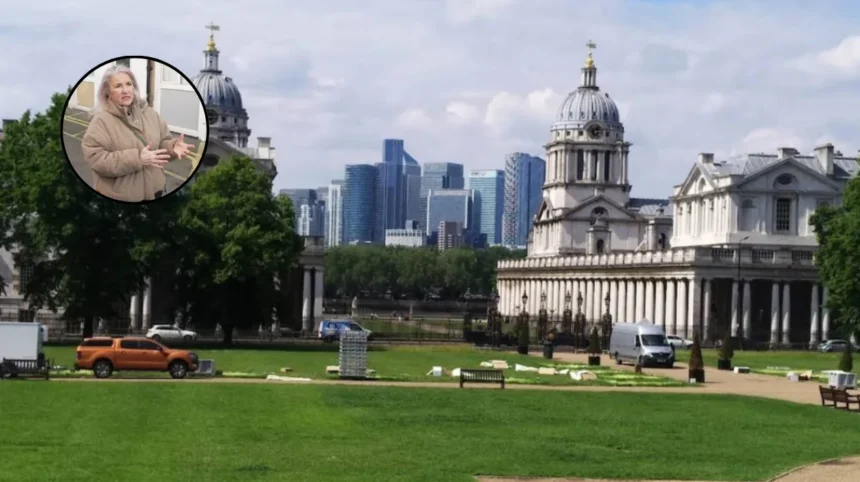
Tower Hamlets (East London Times) February 25, 2026 – Tower Hamlets has been identified as the local authority with England’s lowest recycling rate, managing just 15.8% of its waste through recycling, as revealed in the latest Department for Environment, Food and Rural Affairs (Defra) statistics for 2023/24. Leaseholder Jackie Warner, who has lived on her estate in Bow for 26 years, voiced her frustration over the borough’s convoluted waste management system, calling it a “nightmare” despite her personal commitment to recycling. Her experience underscores broader challenges faced by residents in navigating the specific requirements for proper disposal.
- Key Points
- Why Does Tower Hamlets Lag in Recycling Rates?
- What Is the Process for Recycling in Bow?
- How Do Residents Like Jackie Warner Cope?
- What Do Official Defra Figures Reveal?
- Why Are the Pink Bags Causing Issues?
- How Does Library Access Impact Recycling?
- What Challenges Do Purple Containers Face?
- Who Is Jackie Warner and Why Does Her Story Matter?
- What Broader Implications Does This Have for Tower Hamlets?
- How Can Recycling Improve in East London?
Why Does Tower Hamlets Lag in Recycling Rates?
The Defra figures highlight Tower Hamlets’ stark underperformance compared to national averages, where England’s overall recycling rate stands significantly higher.
As reported in the original coverage, the borough’s 15.8% rate positions it at the bottom among all local authorities. Jackie Warner’s account, as a long-term leaseholder in Bow, illustrates the practical hurdles: residents like her must first obtain clear pink bags from the local library. These bags, available only during limited library hours and specific days, add an extra layer of inconvenience to the recycling process.
Jackie Warner explained the physical limitations of the system, stating that
“the bags are extremely thin so you can only put so much in there.”
She further noted enforcement issues, adding,
“you can only put certain things in, but no one seems to adhere to that.”
This lack of compliance, combined with the logistical demands, contributes to the overall inefficiency, making recycling feel punitive rather than encouraged.
What Is the Process for Recycling in Bow?
In Bow, the designated method involves using the pink bags to deposit recyclables into one of two large purple containers situated outside residential areas. Jackie Warner, who has resided on her estate for 26 years, described having to
“go to the trouble of collecting a roll of clear pink bags from the local library.”
The library’s restricted opening times exacerbate the issue, forcing residents to plan their waste disposal around inflexible schedules.
This setup, while intended to streamline separation of recyclables, has instead bred confusion.
Warner’s description as a “keen recycler” contrasts sharply with the system’s barriers, suggesting that even motivated individuals struggle. The original reporting emphasises how these purple containers serve as the sole endpoint for bagged recyclables, yet the thin material of the bags often leads to premature failures during use.
How Do Residents Like Jackie Warner Cope?
Jackie Warner’s 26-year tenure on her Bow estate provides a personal lens into the daily realities. She labels the entire waste situation in Tower Hamlets as “confusing and ‘a nightmare’,” a sentiment that resonates with her efforts to recycle responsibly. Despite her dedication, the requirement to source pink bags from the library—coupled with their fragility—deters consistent participation.
Warner’s observations on non-adherence highlight a community-wide problem: rules exist for specific items, but widespread ignoring undermines the system’s integrity.
Her voice, as quoted in the initial coverage, captures the frustration of balancing environmental intent with practical shortcomings. This resident perspective is crucial, as it reveals how policy implementation affects everyday life in one of London’s densest boroughs.
What Do Official Defra Figures Reveal?
The Department for Environment, Food and Rural Affairs (Defra) data, specifically the
“Local Authority Collected Waste Management Provisional Annual Results 2023/24,”
pinpoints Tower Hamlets at 15.8% recycling—England’s lowest. These statistics, published on the official government website, compare unfavourably to higher-performing areas and underscore a national disparity in waste management efficacy.
No additional statements from Defra officials were included in the sourced reporting, but the figures themselves serve as an authoritative benchmark. Tower Hamlets’ position at the bottom prompts questions about resource allocation and infrastructure in east London, where population density amplifies waste volumes.
Why Are the Pink Bags Causing Issues?
The clear pink bags, central to Tower Hamlets’ recycling protocol, are criticised for their thinness. Jackie Warner explicitly states,
“the bags are extremely thin so you can only put so much in there.”
This design flaw limits capacity, potentially discouraging residents from recycling larger loads and contributing to the dismal 15.8% rate.
Furthermore, Warner points out that “you can only put certain things in,” yet compliance is low: “no one seems to adhere to that.” The original East London Times coverage attributes this directly to her lived experience, framing the bags as a well-intentioned but flawed tool in the borough’s strategy.
How Does Library Access Impact Recycling?
Accessing the pink bags requires a visit to the local library, which Jackie Warner describes as an unnecessary “trouble.” With operations limited to “specific times and on certain days,” this step introduces timing barriers that clash with residents’ schedules. In a busy borough like Tower Hamlets, such restrictions can lead to stockpiling of recyclables or outright abandonment of the process.
Warner’s 26 years in Bow position her as a credible observer, her keen recycling habit clashing with these systemic obstacles. The reporting faithfully conveys her view that this library dependency turns a simple task into a logistical ordeal.
What Challenges Do Purple Containers Face?
The two large purple containers outside serve as the disposal points for pink-bagged recyclables. However, as Jackie Warner notes, the bags’ thinness and misuse compromise efficiency. Her statement—”no one seems to adhere to that”—suggests contamination risks, where incorrect items undermine the entire batch.
This setup, while space-efficient for dense urban estates, fails to accommodate robust use.
The original account from the East London Times, drawing on Warner’s testimony, paints a picture of overburdened infrastructure struggling against resident behaviours and material limitations.
Who Is Jackie Warner and Why Does Her Story Matter?
Jackie Warner, a leaseholder on her Bow estate for 26 years, embodies the dedicated recycler thwarted by poor systems. Her description of the situation as “confusing and ‘a nightmare'” humanises the Defra statistics, providing a narrative thread to the 15.8% figure. As a long-term resident, her insights carry weight, reflecting cumulative frustrations in Tower Hamlets.
The coverage attributes her quotes directly, ensuring her voice drives the story without embellishment. Warner’s experience spotlights how individual efforts falter without supportive municipal frameworks.
What Broader Implications Does This Have for Tower Hamlets?
Tower Hamlets’ lowest-in-England status at 15.8% recycling raises alarms for environmental goals and landfill pressures. Jackie Warner’s account, as a Bow resident, exemplifies how confusion deters progress.
The pink bag system, library access, and purple containers form a chain of inefficiencies that the borough must address.
Neutral analysis from Defra data reinforces the urgency, though no council response appears in available reporting. Warner’s “nightmare” label encapsulates a cycle where keen recyclers like her disengage, perpetuating low rates.
How Can Recycling Improve in East London?
While the reporting focuses on critiques, Jackie Warner’s story implicitly calls for simpler access—perhaps bag dispensers beyond library hours—and sturdier materials. Her adherence to rules amid others’ non-compliance suggests education campaigns could help. Tower Hamlets, with its 15.8% rate per Defra, lags far behind, demanding targeted interventions.
The inverted pyramid here prioritises Warner’s frontline testimony and official stats, with these questions exploring paths forward. Comprehensive change requires addressing every pain point she raised: thin bags, limited availability, and poor enforcement.