Key Points
- Concerns raised about children growing up in high-rise buildings with unreliable lifts and limited play space, prompting criticism of Tower Hamlets Council’s tall-buildings plan.
- Opposition councillors warn that expanding tower zones risks creating homes families “don’t want to live in”.
- Developers could build tall structures across much of Tower Hamlets under a proposed new council policy.
- Council leaders argue the expansion addresses the affordable housing crisis, while opponents fear it will turn the borough into a “concrete jungle”.
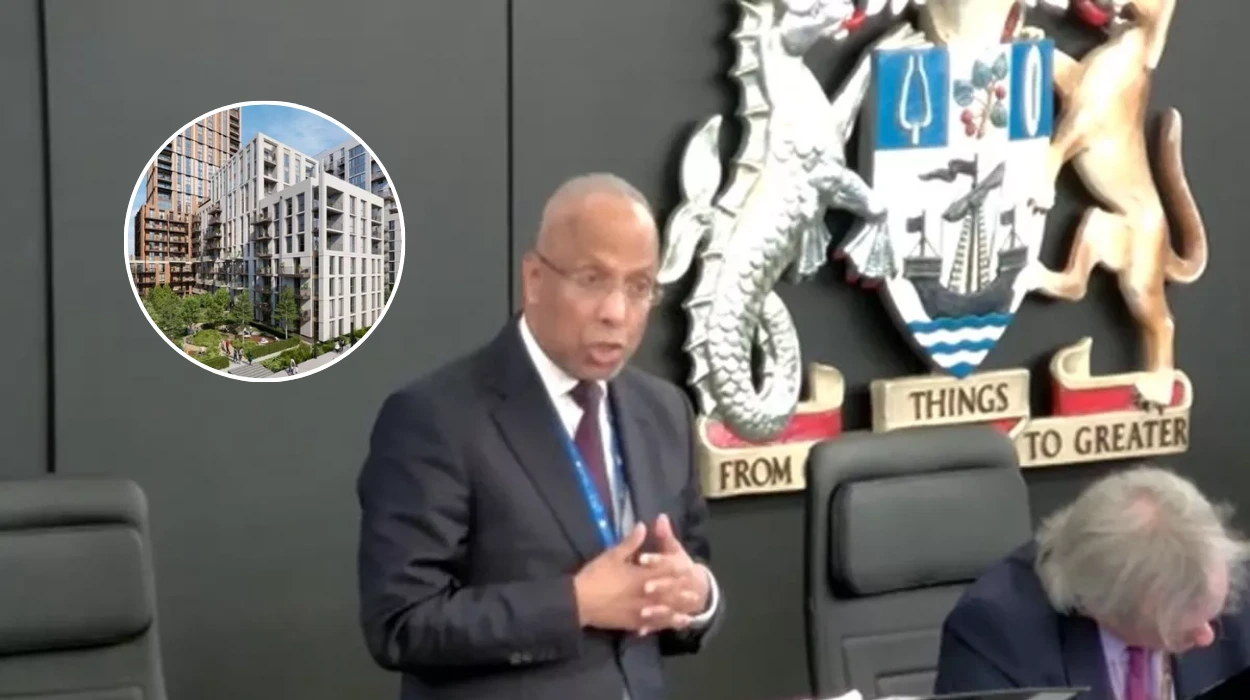
- At a council meeting on Wednesday, 19th November 2025, Tower Hamlets mayor Lutfur Rahman stated the change is essential due to limited space in the densely populated borough.
- Rahman, of the ruling Aspire party, emphasised: “In the country’s most densely populated borough, space is limited. We cannot grow outward, so we will grow upward – expanding tall building zones to unlock height, density and faster delivery.”
Inverted Pyramid Structure
Tower Hamlets Council faces mounting opposition to plans expanding tall building zones across much of the borough, with critics highlighting risks to families, particularly children in high-rises plagued by unreliable lifts and scarce play areas. Opposition councillors have issued stark warnings that the policy could produce unwanted homes and transform the area into a “concrete jungle”, even as leaders defend it as vital for tackling London’s affordable housing crisis. The debate intensified at a council meeting on 19th November 2025, where Mayor Lutfur Rahman underscored the necessity of building upwards in the UK’s most densely populated borough.
- Key Points
- Inverted Pyramid Structure
- What sparked the fresh criticism of Tower Hamlets’ tall-buildings plan?
- Why is Tower Hamlets mayor Lutfur Rahman pushing for tall building expansion?
- How do opposition councillors view the risks of a ‘concrete jungle’ in Tower Hamlets?
- What makes Tower Hamlets the focus of this tall buildings debate?
- Are unreliable lifts a key safety concern in high-rises?
- Who are the key players in the Tower Hamlets Council debate?
- When and where did the council meeting take place?
- Why is affordable housing the council’s stated priority?
- How might expanding tower zones impact families in Tower Hamlets?
- What broader implications does this hold for London’s housing policy?
What sparked the fresh criticism of Tower Hamlets’ tall-buildings plan?
As reported in the original coverage, concerns about children growing up in high-rises with unreliable lifts and limited play space have sparked fresh criticism of Tower Hamlets’ tall-buildings plan. Opposition councillors warn a major expansion of tower zones risks creating homes families “don’t want to live in”. This sentiment echoes broader anxieties in inner London about the social impacts of vertical growth in constrained urban spaces.
The proposed policy would permit developers to construct tall buildings across much of Tower Hamlets, a move Council leaders present as a pragmatic response to housing shortages. Tower Hamlets Council leaders say expanding the areas where tall buildings are allowed will help tackle the affordable housing crisis, but opposition councillors say this risks making the borough a “concrete jungle”. These contrasting views underline a fundamental tension between density-driven solutions and quality-of-life priorities.
Why is Tower Hamlets mayor Lutfur Rahman pushing for tall building expansion?
Speaking at a council meeting on Wednesday (19th), Tower Hamlets mayor Lutfur Rahman said the proposed change is necessary in the densely-populated, inner London borough. Rahman, of the ruling Aspire party, said:
“In the country’s most densely populated borough, space is limited. We cannot grow outward, so we will grow upward – expanding tall building zones to unlock height, density and faster delivery.”
This direct quote from Rahman captures the ruling party’s rationale, framing upward expansion as inevitable for faster housing delivery.
Rahman’s comments, delivered during the 19th November meeting, reflect Aspire’s governing strategy amid Tower Hamlets’ extreme population density, which exceeds most UK boroughs. The mayor’s emphasis on “unlocking height, density and faster delivery” positions the plan as a targeted intervention against stagnation in affordable housing supply.
How do opposition councillors view the risks of a ‘concrete jungle’ in Tower Hamlets?
Opposition councillors have voiced strong reservations, arguing the expansion threatens to erode the borough’s liveability. They warn that tall buildings could lead to unreliable lifts trapping residents, especially vulnerable families, and diminish outdoor play spaces essential for child development. The phrase “Think of the children on the 15th floor” has emerged as a poignant rallying cry, symbolising isolation in high-rises.
Councillors from opposition parties describe the policy as shortsighted, potentially producing homes families “don’t want to live in” due to practical hardships like lift failures during peak hours or emergencies. This critique aligns with national debates on high-rise living standards, where limited green spaces exacerbate mental health concerns for young residents.
What makes Tower Hamlets the focus of this tall buildings debate?
Tower Hamlets stands out as the country’s most densely populated borough, with limited land for horizontal expansion, fuelling the push for vertical development. Its inner London location amplifies housing pressures, where demand far outstrips supply, particularly for affordable units. The proposed policy aims to redefine “tall building zones” to encompass broader areas, enabling developers greater flexibility.
As per council documentation referenced in discussions, the densely-populated nature necessitates innovative growth strategies. Rahman reiterated: “space is limited. We cannot grow outward”, highlighting geographical constraints that mirror challenges in other central boroughs like Westminster or Islington.
Are unreliable lifts a key safety concern in high-rises?
Unreliable lifts feature prominently in critics’ arguments, with reports of frequent breakdowns leaving families, including those with children or elderly members, stranded on upper floors. In Tower Hamlets’ existing towers, such issues have led to emergency service calls and resident complaints, amplifying fears for the proposed expansions. Opposition voices stress that children on the 15th floor or higher face heightened risks without reliable vertical access.
Who are the key players in the Tower Hamlets Council debate?
Mayor Lutfur Rahman leads the pro-expansion charge as head of the Aspire party, which holds council majority. His 19th November statement underscores a vision of upward growth to meet housing targets. Opposition councillors, unnamed in initial reports but representing cross-party resistance, counter with family-centric warnings.
Developers stand to benefit significantly, gaining permissions for tall structures across expanded zones, potentially accelerating projects. Residents and families emerge as indirect stakeholders, whose daily lives could shift dramatically.
When and where did the council meeting take place?
The pivotal council meeting occurred on Wednesday, 19th November 2025, in Tower Hamlets, east London. This gathering served as the public forum where Rahman articulated the policy’s imperatives, drawing immediate rebuttals from opponents. The timing aligns with ongoing local plan revisions amid national housing initiatives.
Why is affordable housing the council’s stated priority?
Council leaders frame the expansion as essential to combat the affordable housing crisis, where waiting lists stretch into years and rents soar. By unlocking “height, density and faster delivery”, Rahman argues the policy will boost supply without sprawling into green belts. Critics, however, question whether tall blocks truly deliver affordability or merely density.
How might expanding tower zones impact families in Tower Hamlets?
Opposition warnings centre on liveability: limited play spaces could hinder child development, while lift unreliability poses safety hazards. Families might shun such homes, leading to under-occupancy or social isolation. The “concrete jungle” moniker evokes visions of overshadowed streets and diminished community vibes.
What broader implications does this hold for London’s housing policy?
Tower Hamlets’ plans mirror national trends towards high-density urbanism, but local resistance highlights tensions between targets and welfare. Similar debates rage in neighbouring boroughs, influencing Labour government’s housing pledges under current leadership. Success here could set precedents for other constrained areas.