Key Points
- East London Water Works charity plans to develop a free wild swimming spot on a 5.68-hectare former Thames Water depot on Lea Bridge Road in Waltham Forest.
- The project features a 3,000 square metre naturally filtered swimming space and a beach for around 100 people.
- Two areas planned: one family-oriented and one for immersive wild swimming, both using rainwater filtered through 5,300 square metres of reed beds.
- Capacity to serve up to 1,200 swimmers daily.
- Spaces aim to provide affordable cooling and relaxation amid urban growth and climate change pressures.
- Funding for operations through on-site electricity generation, with surplus sold to the grid.
- Nathan Miller, director of East London Water Works, highlighted community demand for free accessible swimming and empowerment through such projects.
- London’s outdoor swimming options are limited and often costly, with historic lidos not suiting all budgets.
- Project emphasises inclusivity, community involvement, biodiversity, and natural water filtration.
Waltham Forest (East London Times) January 15, 2026 – The East London Water Works charity has unveiled plans to transform a disused 5.68-hectare Thames Water depot on Lea Bridge Road into a free wild swimming facility, offering residents a much-needed urban oasis amid rising temperatures and limited affordable recreation spaces. This ambitious community-led project promises a 3,000 square metre naturally filtered pond, a beach area for 100 people, and capacity for 1,200 daily swimmers, all sustained by innovative on-site energy generation. As cities grapple with expansion and climate pressures, such initiatives underscore a push for accessible green spaces in East London.
- Key Points
- Why Is East London Developing a Free Wild Swimming Spot?
- What Features Will the Swimming Spot Include?
- How Will the Project Remain Free for All Users?
- What Challenges Do Similar Projects Face in London?
- Who Is Behind the East London Water Works Initiative?
- How Does This Fit into Broader Urban Cooling Efforts?
- What’s Next for the Lea Bridge Road Project?
- Why Is Community Agency Central to This Vision?
Why Is East London Developing a Free Wild Swimming Spot?
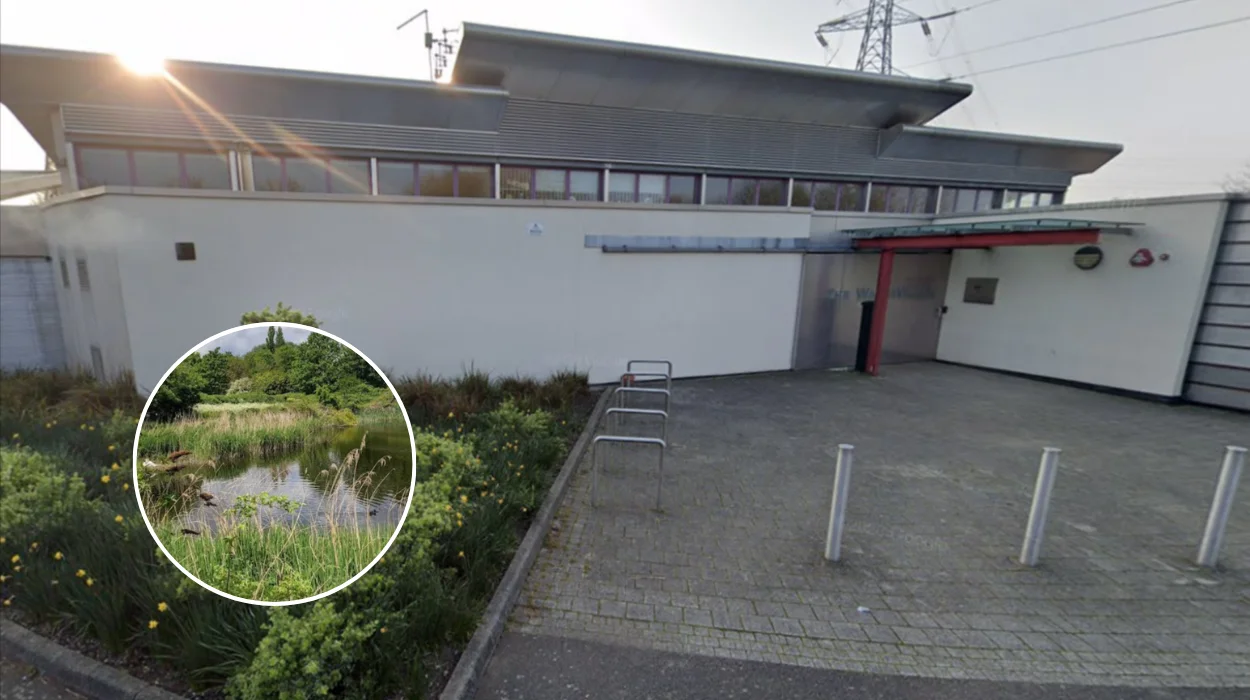
The initiative stems from the growing scarcity of outdoor swimming areas in London, where historic lidos provide relief but at a cost that excludes many residents. According to details shared by the East London Water Works via their official website, the charity seeks to address this by creating an entirely free venue centred on water, community, and biodiversity. The former Thames Water site on Lea Bridge Road in Waltham Forest offers a prime opportunity for this transformation, turning industrial surplus land into a vibrant public asset.
As reported in the original coverage, city spaces for relaxation and cooling—vital on hot summer days—are increasingly precious as urbanisation intensifies and climate change heightens heat risks. The charity’s vision aligns with broader calls for equitable access to nature, positioning the project as a model for inclusive urban renewal. Waltham Forest, known for its green corridors along the River Lea, stands to gain a flagship facility that integrates seamlessly with local ecology.
What Features Will the Swimming Spot Include?
The proposed site will boast a 3,000 square metre swimming area filtered naturally through extensive reed beds spanning 5,300 square metres, ensuring clean water without chemicals. A dedicated beach will accommodate approximately 100 people, fostering a relaxed atmosphere for picnics and sunbathing. The layout divides into two distinct zones: a family-oriented section with safer, shallower waters and an immersive wild swimming area for nature enthusiasts seeking a raw, unchlorinated experience.
Rainwater harvesting will feed the ponds, promoting sustainability and reducing reliance on mains supplies. Biodiversity enhancements, such as reed beds, will not only purify water but also support local wildlife, including birds and insects, enriching the area’s ecological value. Daily capacity targets 1,200 users, making it a high-volume destination capable of serving diverse community needs from dawn dips to evening swims.
How Will the Project Remain Free for All Users?
Affordability forms a cornerstone of the East London Water Works proposal, with entry free to all, countering London’s reputation for high costs in leisure. Nathan Miller, a director of East London Water Works, told MyLondon:
“My first thought was that I’d love something like this to exist for my kids growing up and to have that locally for them. There are no free accessible swimming spaces, so providing that is what the community wants to experience. These kinds of projects let communities take back agency”.
Miller further explained that operational costs would be covered by generating electricity on-site, potentially through solar panels or other renewables, with excess power sold to the national grid.
This self-funding model eliminates ticket prices, ensuring broad accessibility for low-income families, seniors, and casual visitors. By bypassing traditional revenue streams like entry fees, the project challenges the paid-lido norm and promotes social equity. Community workshops and consultations, as implied in the charity’s outreach, will refine operations to prioritise safety and inclusivity without financial barriers.
What Challenges Do Similar Projects Face in London?
London’s outdoor swimming landscape remains dominated by paid venues like lidos, which, while historic, fail to meet demand for free options. The East London Water Works initiative arrives at a time when heatwaves—exacerbated by climate change—strain urban cooling infrastructure, making such spaces urgent. However, securing planning permissions for the Lea Bridge Road site could involve navigating Waltham Forest Council’s regulations on flood risks, given its proximity to the River Lea.
Past wild swimming efforts, such as pop-up ponds in parks, have faced water quality scrutiny and maintenance hurdles. Yet, the charity’s reed-bed filtration system draws from proven European models, like those in Germany, promising resilience. Public support, voiced by figures like Miller, suggests strong local backing, but funding for initial construction—beyond operations—remains a key hurdle, likely requiring grants, crowdfunding, and partnerships.
Who Is Behind the East London Water Works Initiative?
East London Water Works (elwp.org.uk) leads the charge, a charity dedicated to water-based community projects in the region. Director Nathan Miller emerges as a key advocate, emphasising parental and communal aspirations in his MyLondon interview. The organisation’s track record in biodiversity and water stewardship lends credibility, with the Lea Bridge Road depot repurposing aligning with Waltham Forest’s regeneration goals.
Local stakeholders, including residents and environmental groups, are poised to contribute through volunteering and feedback. The project’s community focus echoes successful models like the Brockwell Lido revival, but innovates with zero fees. As Miller noted, it empowers locals to reclaim agency over their leisure spaces.
How Does This Fit into Broader Urban Cooling Efforts?
Amid global urban heat challenges, East London’s wild swimming spot represents a grassroots response to climate pressures. Cities worldwide seek blue-green infrastructure—combining water and vegetation—to mitigate heat islands, and this project delivers both. The 5.68-hectare site will expand accessible nature, vital as London’s population swells and summers intensify.
Comparisons to free bathing lakes in cities like Berlin highlight scalability, where natural ponds thrive without charges. In the UK context, it complements initiatives like Thames dips, but prioritises everyday access over events. Biodiversity gains from reed beds will bolster urban resilience, attracting pollinators and improving air quality.
What’s Next for the Lea Bridge Road Project?
Next steps involve planning applications to Waltham Forest Council, environmental impact assessments, and community engagement events. East London Water Works invites public input via their website, aiming for swift approvals given the site’s derelict status. Construction timelines remain tentative, but momentum builds with Miller’s vision resonating widely.
Success hinges on collaborative funding, blending public grants with private green energy investments. If realised, the spot could debut by summer 2027, transforming Lea Bridge Road into a cooling hub. Ongoing updates will track progress, ensuring transparency.
Why Is Community Agency Central to This Vision?
Nathan Miller of East London Water Works stressed empowerment in his statement to MyLondon:
“These kinds of projects let communities take back agency”.
This ethos counters top-down urban development, fostering ownership through design input and maintenance roles. In Waltham Forest, where green spaces vary by postcode, equity drives the narrative.
The free model democratises swimming, historically elitist in London. Families, fitness groups, and wildlife watchers stand to benefit, weaving social fabric tighter. As climate demands evolve, such agency ensures adaptability.