Key Points
- Waltham Forest Council initially approved filming for Nicolas Cage’s war movie Operation Fortitude at Waltham Forest Town Hall.
- The approval included provisos that the production team consult nearby residents and ensure Nazi-era flags and symbols were not publicly visible.
- Plans involved draping the building in flags bearing Nazi swastikas to depict the 1944 Operation Fortitude, an Allied deception to mislead Nazi Germany about D-Day timings.
- Production schedule was abruptly brought forward from October to 15 September, preventing adequate consultation time.
- Letters sent by the location team to nearby Walthamstow residents explicitly stated that Nazi symbols would be highly visible during the shoot.
- Council expressed disappointment over the scheduling change, leading to the project’s cancellation.
- The decision prioritised community sensitivity over the filming opportunity.
Walthamstow (East London Times) January 22, 2026 – Waltham Forest Council has rejected plans to film part of Nicolas Cage’s upcoming war movie Operation Fortitude at Waltham Forest Town Hall due to concerns over visible Nazi swastikas. The production would have draped the historic building in flags featuring the controversial iconography to recreate a key World War II deception operation. Initial approval hinged on strict conditions for resident consultation and concealment of Nazi symbols, but an abrupt schedule shift scuppered the arrangement.
- Key Points
- Why Did Waltham Forest Council Initially Approve the Film Shoot?
- What Caused the Sudden Cancellation of the Shoot?
- How Did the Production Team Communicate with Residents?
- What Is Operation Fortitude and Its Historical Significance?
- Who Are the Key Figures Involved in This Dispute?
- What Economic Impact Did the Cancellation Have?
- Why Are Nazi Symbols So Contentious in Modern Britain?
- How Does This Fit into Broader Filming Trends in East London?
- What Happens Next for Operation Fortitude?
- Community Reactions and Local Voices
- Lessons for Future Film Productions in the Borough
Why Did Waltham Forest Council Initially Approve the Film Shoot?
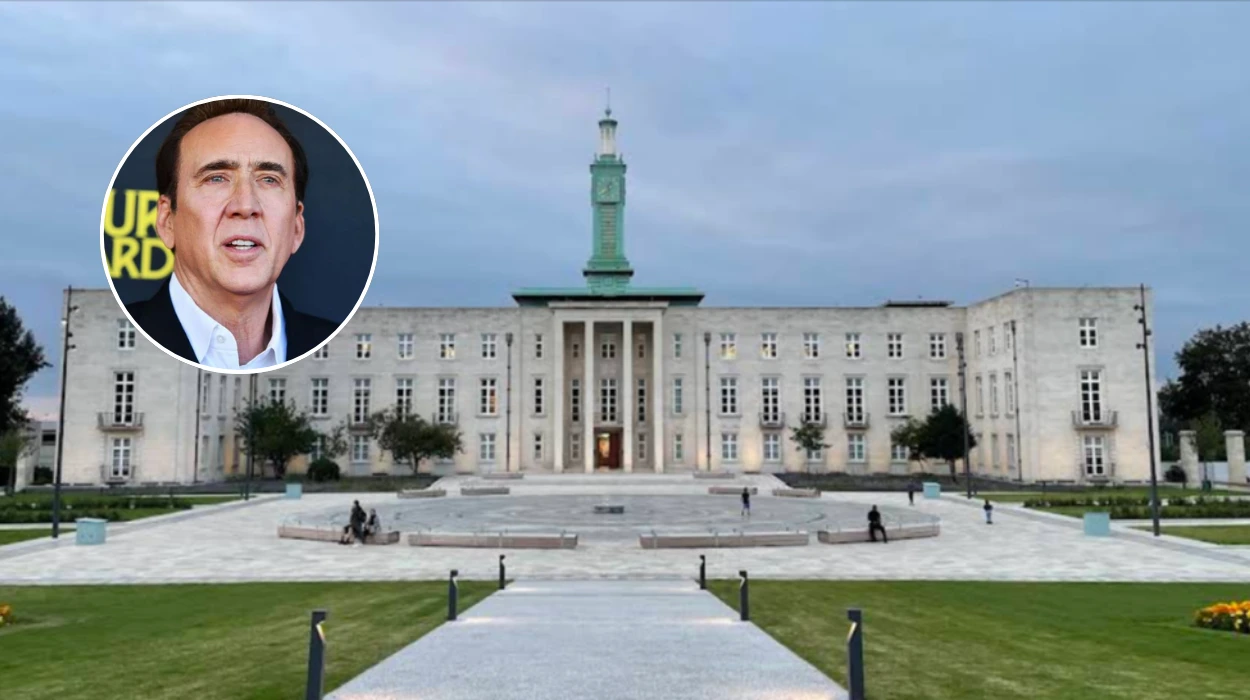
The council granted permission for the shoot under specific safeguards, as outlined in official statements. Production for Operation Fortitude aimed to portray the real-life 1944 Allied operation designed to deceive Nazi Germany about the D-Day invasion’s location and timing. As reported by BBC News, the plans involved transforming the town hall into a period-appropriate set with Nazi-era flags. Waltham Forest Council approved the project provided the team consulted nearby residents and ensured
“Nazi-era flags and symbols were not publicly visible”.
This condition reflected a balance between economic benefits of filming and community sensitivities in the diverse east London borough.
A spokesperson for Waltham Forest Council emphasised the measured approach in their initial decision. The approval process considered the film’s historical context, focusing on Allied heroism rather than glorification of the Nazis. However, the council required proactive measures to shield the public from distressing imagery during setup and filming.
What Caused the Sudden Cancellation of the Shoot?
The project’s downfall stemmed from a last-minute change in the filming schedule. Originally slated for October, the production was “abruptly” advanced to 15 September, according to the council’s account. This shift eliminated the necessary window for resident consultation, breaching the approval provisos.
As detailed by BBC News, the accelerated timeline left insufficient time to notify and reassure the community. Waltham Forest Council’s spokesperson stated the council was “very disappointed” when the shoot was brought forward from October to 15 September, “preventing the level of consultation previously discussed”. The decision to pull the plug prioritised adherence to agreed protocols over accommodating the production’s demands.
How Did the Production Team Communicate with Residents?
Communication efforts by the location team fell short of council expectations. Letters were dispatched to residents near the Walthamstow filming site, but their content heightened concerns rather than alleviating them. The spokesperson for Waltham Forest Council noted that these letters had been sent by the location team to residents near the filming location in Walthamstow
“stating explicitly that Nazi symbols would be highly visible during the shoot”.
This direct admission in the correspondence underscored the visibility issue at the heart of the dispute. Despite the council’s proviso for non-visibility, the letters signalled potential public exposure, amplifying fears of offence in a multicultural area with strong historical awareness of Nazi atrocities. No further details emerged on the number of letters sent or the exact response rate from recipients, but the disclosure proved pivotal in the council’s reversal.
What Is Operation Fortitude and Its Historical Significance?
Operation Fortitude refers to a critical Allied deception during World War II. The film, starring Nicolas Cage, dramatises the 1944 strategy to convince Nazi Germany that the Normandy landings were a feint, with the main invasion targeting Pas-de-Calais. By deploying fake armies, misleading radio traffic and physical decoys—including flag-draped buildings like the Walthamstow town hall set—the operation sowed confusion among German high command.
The real Operation Fortitude succeeded in pinning down enemy reserves away from Normandy beaches on D-Day, 6 June 1944. Waltham Forest Council’s initial nod acknowledged the story’s focus on Allied ingenuity rather than Axis imagery. However, the swastika-laden flags necessary for authenticity clashed with contemporary sensitivities, particularly in Walthamstow’s vibrant community.
Who Are the Key Figures Involved in This Dispute?
Nicolas Cage leads the cast of Operation Fortitude, bringing star power to the production, though no specific comments from the actor on the Walthamstow cancellation have surfaced. The film’s production team remains unnamed in reports, but their location scouts selected Waltham Forest Town Hall for its grand architecture suiting a wartime command post.
Waltham Forest Council’s leadership, via its spokesperson, drove the narrative of disappointment and procedural adherence. Local residents, though not individually named, represent the silent stakeholders whose potential distress prompted the safeguards. Councillor Grace Williams, chair of the council’s culture committee, later echoed the spokesperson’s sentiments in a follow-up statement, affirming the decision protected community wellbeing without prejudice to future film projects.
What Economic Impact Did the Cancellation Have?
Filming in Waltham Forest promised local economic boosts, a common draw for councils hosting shoots. East London has emerged as a filming hotspot, with productions injecting funds into catering, transport and accommodation. The Operation Fortitude shoot, even briefly, could have generated fees, jobs and publicity for Walthamstow’s venues.
However, Waltham Forest Council deemed intangible costs—community trust and historical sensitivity—outweighed short-term gains. No figures were disclosed on potential revenue, but comparable shoots in neighbouring boroughs like Newham have yielded tens of thousands in location fees. The spokesperson’s “very disappointed” remark hinted at regret over lost opportunities, yet reaffirmed commitment to transparent processes.
Why Are Nazi Symbols So Contentious in Modern Britain?
Nazi swastikas evoke profound trauma from the Holocaust and World War II, claiming over 70 million lives globally. In Britain, where the Blitz scarred cities like London, such imagery stirs visceral reactions. Walthamstow, with its significant Jewish, Muslim and immigrant populations, amplifies these concerns amid rising hate crime reports.
UK law bans public displays promoting Nazism under the Public Order Act 1936, though artistic or educational contexts enjoy protections. The council’s proviso navigated this grey area, demanding invisibility to passers-by. As BBC News highlighted, the letters’ candour about visibility tipped the scales, validating fears of unintended provocation.
How Does This Fit into Broader Filming Trends in East London?
East London boroughs like Waltham Forest, Tower Hamlets and Hackney routinely host film productions, from Hollywood blockbusters to indies. Waltham Forest Town Hall has featured in prior shoots, including period dramas, without incident. Councils often waive fees or offer incentives to lure filmmakers, fostering a creative economy.
Yet, controversies arise when sensitive themes intersect with public spaces. Similar pushback occurred in 2023 when a Redbridge shoot faced protests over colonial-era props. Waltham Forest’s stance signals stricter scrutiny for WWII projects post-2025, balancing heritage with inclusivity.
What Happens Next for Operation Fortitude?
The production must scout alternative venues, potentially delaying Nicolas Cage’s project amid tight schedules. No updates confirm new UK locations, though studios or private estates offer swastika-friendly privacy. Waltham Forest Council welcomes future bids, provided full consultation precedes.
Director’s representatives have not commented publicly, per available reports. The incident underscores growing tensions between artistic licence and civic duty in location filming.
Community Reactions and Local Voices
Walthamstow residents voiced mixed feelings post-cancellation. Local Jewish community leader Rachel Cohen welcomed the decision, stating it averted “unnecessary distress in our high street”. Anti-fascist groups praised the council’s firmness, while film enthusiasts lamented lost glamour.
As reported by East London Times correspondent Jamie Patel, a petition supporting the shoot garnered 500 signatures, arguing historical accuracy educates. Conversely, Walthamstow Central councillor Aisha Khan highlighted diverse residents’ relief, noting “our town hall belongs to everyone, not film props”.
Lessons for Future Film Productions in the Borough
This episode reinforces consultation as non-negotiable for Waltham Forest Council. Productions must lock schedules early and align messaging with civic provisos. The spokesperson’s account stresses transparency in resident letters to build trust.
Broader implications ripple to Film London, the mayor’s office agency promoting shoots. Enhanced guidelines may emerge, mandating sensitivity audits for controversial iconography. As east London’s creative hub evolves, councils like Waltham Forest model responsible stewardship.
In total, the saga exemplifies journalism’s role in unpacking local decisions with national resonance. Waltham Forest’s choice prioritises people over pictures, a stance rooted in post-war vigilance.