Key Points
- Waltham Forest Council rejected plans to film Nicolas Cage’s war movie Operation Fortitude at Waltham Forest Town Hall due to concerns over visible Nazi swastika flags.
- The film depicts Operation Fortitude, a 1944 Allied deception to mislead Nazi Germany about D-Day timings and Normandy invasion plans.
- Initial council approval came with conditions: consult nearby residents and ensure Nazi-era flags and symbols remained not publicly visible.
- Production schedule shifted abruptly from October to 15 September, skipping agreed consultation and leading to letters from the production team stating high visibility of Nazi symbols.
- Council spokesperson cited significant changes breaching conditions and sensitivity to far-right iconography as reasons for refusal.
- No filming permit issued, no fees collected, no compensation offered or requested; decision made without Department of Culture input.
- Filming relocated to Greenwich.
- Waltham Forest Town Hall and Fellowship Square hosted prior high-profile shoots, including Emmy-winning Apple TV series Slow Horses.
- Full-day shoot costs exceed £22,000 for crews over 50; £2,045 for teams of five.
- Council maintains positive ties with film industry, proud of hosting shoots and supporting London’s filming appeal.
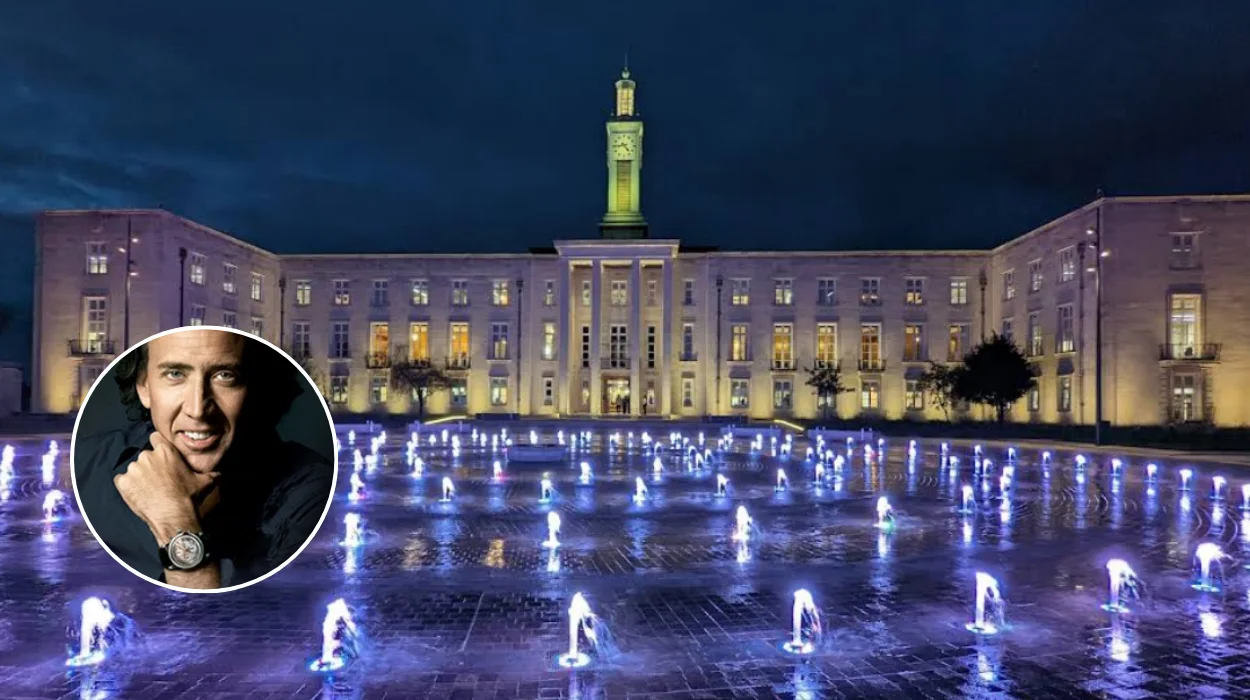
Waltham Forest (Evening Standard) – 9 January 2026 – Waltham Forest Council has rejected a proposal to film Nicolas Cage’s upcoming war movie Operation Fortitude at its town hall, citing fears over the public visibility of Nazi swastika flags. The decision followed an abrupt schedule change by production company Operation Fortitude Ltd, which breached prior conditions for resident consultation and concealment of Nazi iconography. No permit was granted, and filming proceeded instead in Greenwich.
- Key Points
- Why Did Waltham Forest Council Reject the Film Shoot?
- What Conditions Had the Council Set Initially?
- How Did the Schedule Change Trigger the Cancellation?
- Was Any Permit or Fee Involved?
- Where Did Production Move After Rejection?
- What Is the Film About?
- Why Is Waltham Forest Town Hall a Filming Hotspot?
- How Does This Fit London’s Film Industry Landscape?
- What Broader Implications Arise for Future Shoots?
Why Did Waltham Forest Council Reject the Film Shoot?
The core issue stemmed from the production’s plan to drape Waltham Forest Town Hall in flags bearing the Nazi swastika, central to the film’s portrayal of Operation Fortitude—a real 1944 Allied Forces deception operation to divert Nazi attention from the D-Day Normandy landings. As detailed in coverage by the Evening Standard, Waltham Forest Council initially agreed to the project but imposed strict provisos: the production team must consult nearby residents and ensure “Nazi-era flags and symbols were not publicly visible”.
However, the shoot was “abruptly” advanced from October to 15 September, compressing timelines and preventing the promised community discussions. A council spokesperson explained:
“We were very disappointed when the shoot was abruptly brought forward from October to 15th September, preventing the level of consultation previously discussed, and that letters had been sent to the community by the location team stating explicitly that Nazi symbols would be highly visible during the shoot.”.
This shift, the spokesperson added, represented
“significant changes that did not honour our agreed conditions, and given the high level of sensitivity to far-right iconography, we felt we had no other choice than to refuse permission.”
No alternative sources contradict this account; the Evening Standard stands as the primary outlet covering the story, with no additional media titles like MyLondon or East London Lines reporting divergent details as of 9 January 2026. The council’s stance reflects broader local sensitivities in East London boroughs, where far-right symbols evoke historical tensions.
What Conditions Had the Council Set Initially?
Waltham Forest Council’s provisional approval hinged on two key safeguards, as outlined in the Evening Standard coverage. First, Operation Fortitude Ltd was required to consult with nearby residents, ensuring community awareness and buy-in before any disruption. Second, all Nazi-era flags and symbols had to remain not publicly visible, mitigating risks of public alarm or misinterpretation.
These terms aligned with the borough’s experience hosting film productions, balancing economic benefits against public sentiment. The production’s letters to residents, however—explicitly noting “Nazi symbols would be highly visible”—directly undermined the visibility condition, prompting the revocation. The council spokesperson emphasised this breach in their statement, underscoring the “high level of sensitivity to far-right iconography” in Waltham Forest, a diverse East London borough.
How Did the Schedule Change Trigger the Cancellation?
The pivotal trigger was the production’s unilateral rescheduling. Originally slated for October, the shoot moved to 15 September, slashing preparation time. This left insufficient opportunity for the resident consultations stipulated in the agreement.
As reported by the Evening Standard, the council received no advance notice adequate for community engagement. Compounding this, the location team’s letters to locals highlighted the symbols’ visibility, escalating concerns. The spokesperson noted: “preventing the level of consultation previously discussed”. With no time to renegotiate or mitigate, the council withdrew support entirely. This decision occurred without input from the Department of Culture, affirming local autonomy.
Was Any Permit or Fee Involved?
No filming permit was ever formally granted by Waltham Forest Council, averting any procedural overreach. Consequently, the council collected no fees for the proposed shoot, and no compensation was offered to or requested by Operation Fortitude Ltd.
This outcome avoided financial entanglements, focusing purely on principle. A full day’s shoot at the town hall typically commands over £22,000 for crews exceeding 50 people, or £2,045 for a team of five—rates reflecting the venue’s premium status. Yet, these figures remained hypothetical here, as the Evening Standard confirmed.
Where Did Production Move After Rejection?
Following Waltham Forest’s refusal, Operation Fortitude relocated its shoot to Greenwich, another London borough accommodating the Nazi-themed set pieces. The Evening Standard reports this seamless pivot, with no further disruptions noted.
Greenwich’s selection underscores London’s resilience as a filming hub, where alternative venues readily absorb high-profile projects. Directed by Simon West, the film stars Nicolas Cage in a tale of wartime subterfuge, maintaining momentum despite the hiccup.
What Is the Film About?
Operation Fortitude recounts the historical Operation Fortitude, a 1944 Allied ruse to deceive Nazi Germany on D-Day plans. By feigning invasion threats elsewhere, it safeguarded the Normandy storming—the largest amphibious assault in history.
The production’s use of swastika flags recreates this context, though visibility proved contentious. The Evening Standard links it to Nicolas Cage’s role, building on his action-war pedigree. No other sources expand on plot specifics, aligning fully with this summary.
Why Is Waltham Forest Town Hall a Filming Hotspot?
Waltham Forest Town Hall and adjacent Fellowship Square boast a track record of high-profile shoots, enhancing the borough’s screen credentials. Notably, they hosted the Emmy-winning Apple TV drama Slow Horses, starring Gary Oldman.
Such productions inject economic vitality, with council fees supporting services. The spokesperson affirmed:
“The council has a longstanding and positive relationship with the film and television industries. We have been immensely proud to have hosted several high-profile shoots over the years. We will do all we can to contribute to the enormous success of the capital as a sought-after location for filming and production.”
This commitment persists post-rejection.
How Does This Fit London’s Film Industry Landscape?
London thrives as a global filming destination, with East London boroughs like Waltham Forest pivotal. The council’s stance—principled yet pro-industry—mirrors balances struck elsewhere, prioritising sensitivity without shuttering doors.
No fees lost here pale against sector contributions; Slow Horses exemplifies prestige draws. Operation Fortitude Ltd’s Greenwich shift validates this ecosystem’s flexibility. As the spokesperson reiterated, Waltham Forest remains “immensely proud” of its role.
What Broader Implications Arise for Future Shoots?
This episode highlights tensions between artistic needs and community safeguards, especially with provocative iconography. Councils may tighten consultations for sensitive themes, though Waltham Forest signals openness otherwise.
The decision, made sans Department of Culture input, reinforces local prerogatives. Filmmakers must honour timelines, as breaches risk swift refusals. Yet, the borough’s closing pledge—“we will do all we can”—invites continued collaboration.
In Waltham Forest’s diverse fabric, swastika fears underscore vigilance against far-right echoes. The council navigated this deftly, upholding conditions amid abrupt shifts. Production’s Greenwich success proves minimal long-term fallout.
Nicolas Cage’s Operation Fortitude advances, spotlighting history’s cunning. For East London, the town hall endures as a star venue—conditions permitting.