Key Points
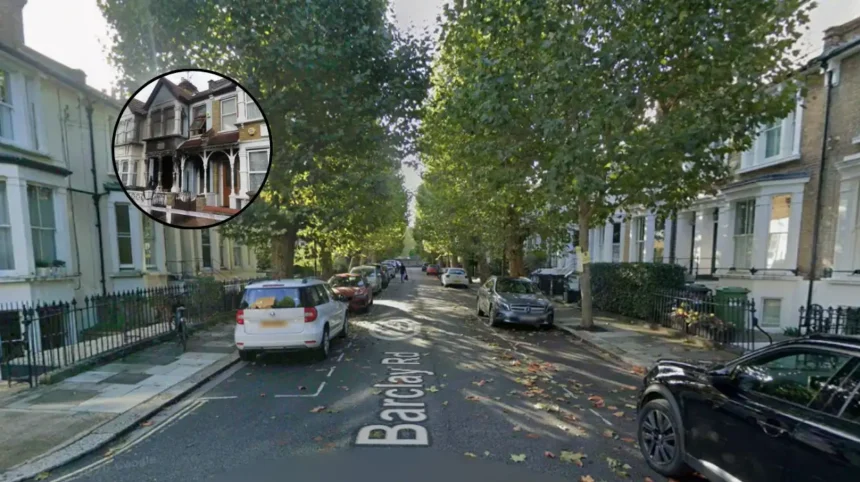
- Around 400 homes in Walthamstow were left without electricity after reported vandalism to the local network, with Maynard Road and Barclay Road among the affected streets.
- UK Power Networks said the incident triggered a “neutral fault” that could cause dangerous voltage fluctuations.
- The outage was first reported at 5.30pm on Thursday and was still ongoing into Friday afternoon.
- UKPN said it expected about 280 homes to be reconnected by the end of the day.
- Waltham Forest Council said it was providing support to vulnerable residents, including overnight door-knocking, power banks and torches.
- Customer support vehicles were placed on Barclay Road and Shernhall Street to provide food, water, WiFi and power provisions.
- The reported cause follows a wider pattern of cable and wire theft linked to the value of copper.
Walthamstow (East London Times) May 16, 2026 – hundreds of east London homes were left without power after what has been described as wire theft, with the disruption affecting roughly 400 properties in the Walthamstow area, including homes on Maynard Road and Barclay Road.
As reported by the Waltham Forest Echo, the outage began on Thursday evening and continued into Friday afternoon, after UK Power Networks said vandalism to the electricity network had caused a neutral fault. The company warned that such a fault could create dangerous voltage fluctuations, which helps explain why the repair response was urgent and potentially more complex than a standard local outage.
How did the outage affect residents?
The impact was immediate for households that lost lighting, refrigeration, charging and heating or cooking access, depending on what power-dependent appliances they relied on.
UKPN responded by positioning customer support vehicles on Barclay Road and Shernhall Street, offering food, water, WiFi and power support.
Waltham Forest Council also said it was providing support to people in the affected area and taking steps to protect the most vulnerable residents. According to the report, this included overnight door-knocking, power banks and torches for those most in need.
What did UKPN say about repairs?
UK Power Networks said the repair may require the road to be dug up, which suggests the damage may be below ground or tied to infrastructure that cannot be restored quickly from the surface.
The company also said it expected 280 homes to be reconnected by the end of the day, although the wider outage had affected around 400 homes.
The report indicates that the disruption was not just a simple cable cut but a fault affecting the electricity network in a way that raised safety concerns. That helps explain why repair times can stretch beyond initial estimates when the underlying network is damaged.
Why is wire theft a recurring issue?
Wire and cable theft has long been linked to the value of copper, which can be sold for scrap. That makes electricity and telecom networks vulnerable to targeted theft, especially where exposed or accessible infrastructure can be stripped for metal.
The current Walthamstow incident fits a wider pattern of criminal damage to utility networks that can affect many homes at once. In such cases, the immediate issue is not only theft but also the safety risk created when damaged systems are left unstable.
Background of the development
The reported outage in east London comes amid ongoing concern about infrastructure theft and the disruption it causes to public services.
Utility cable theft has previously affected other areas and sectors, showing that the problem is not limited to one neighbourhood or one company.
In this case, the focus is on Walthamstow residents, local support arrangements and the speed of repairs after network vandalism. The incident also reflects how quickly a local act of theft can become a wider public service issue when electricity supplies are interrupted for hundreds of households.
Prediction for residents
For residents in the affected Walthamstow streets, the main short-term effect is likely to be continued disruption until repairs are completed and the network is stabilised. If the fault requires excavation, some homes may remain without power longer than initially expected, especially if engineers need to locate and isolate the damaged section safely.
The broader effect for local people is likely to be renewed concern about resilience, emergency support and the vulnerability of underground infrastructure to theft and vandalism. For households, the practical impact is likely to be inconvenience, but for vulnerable residents the consequences can be more serious if outages last into the night or extend beyond the first repair window.