Key Points
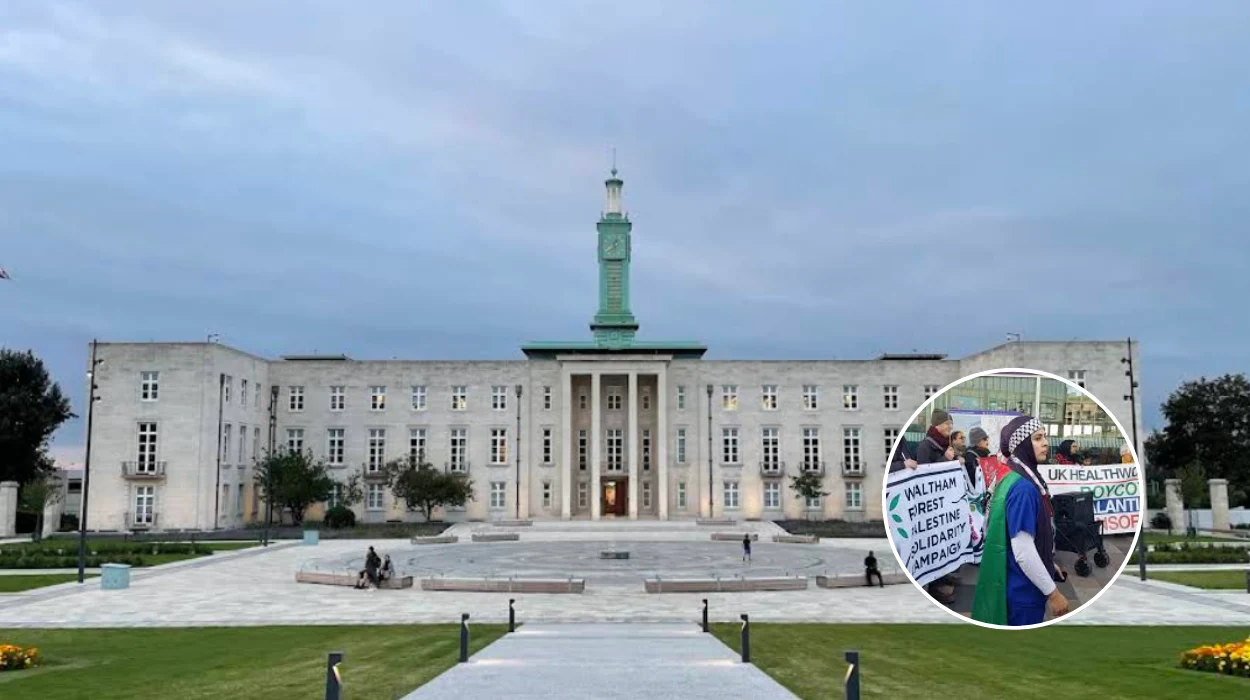
- Waltham Forest Palestine Solidarity Campaign (WFPSC) planned a talk titled “What really happened on October 7th” with Electronic Intifada journalist Asa Winstanley at the council-owned William Morris Community Centre in Walthamstow on Friday, 9th January.
- The event aimed to “debunk mainstream narratives” and “explore what really happened in an objective way,” according to promotional material shared on social media by organisers.
- Over 1,200 Israelis were murdered by Hamas fighters who broke through the Gaza border on 7th October 2023, with 250 Israelis taken hostage.
- More than 71,000 Palestinians have been killed in Israel’s response, regarded by human rights organisations, the UN, and war scholars as a genocide.
- WFPSC was informed on Friday, 2nd January, by the William Morris Community Centre’s chair that the event was cancelled “following correspondence from the Charity Commission who expressed concerns”.
- Waltham Forest Council reportedly intervened by contacting the centre with its own concerns before the cancellation decision.
- Jewish residents raised concerns over the event, sparking a free speech row, as reported in Jewish News.
- WFPSC described the cancellation as “deeply shameful” in a Facebook statement, stating it “creates a chilling effect on all critiques of dominant narratives, particularly when cancellation is executed unilaterally and without consulting those affected”.
- The Echo understands the council’s involvement, as detailed by reporter Marco Marcelline.
Walthamstow (East London Times) January 21, 2026 – Waltham Forest Palestine Solidarity Campaign has accused Waltham Forest Council of intervening to shut down a controversial talk on the 7th October 2023 attacks, igniting a free speech debate amid concerns from Jewish residents. The event, featuring Electronic Intifada journalist Asa Winstanley, was set for the council-owned William Morris Community Centre but was cancelled days before, following input from the council and the Charity Commission. Organisers decried the move as a blow to alternative narratives on a highly sensitive topic.
- Key Points
- What Triggered the Cancellation of the 7th October Talk?
- Who Is Asa Winstanley and What Was the Event’s Focus?
- Why Did Waltham Forest Council Intervene?
- How Did WFPSC Respond to the Cancellation?
- What Is the Context of the 7th October Attacks?
- What Are the Broader Implications for Free Speech?
- Who Else Has Covered the Story?
- Why Does This Matter to Walthamstow Residents?
What Triggered the Cancellation of the 7th October Talk?
The Waltham Forest Palestine Solidarity Campaign (WFPSC) had organised a talk entitled “What really happened on October 7th” scheduled for Friday, 9th January, at the William Morris Community Centre in Walthamstow. As reported by Marco Marcelline of The Echo, the event promised to disregard “debunked” and “unverified mainstream narratives” around the attacks, opting instead to “explore what really happened in an objective way”. Promotional material shared on social media by WFPSC highlighted this focus, positioning the discussion as a challenge to prevailing accounts.
On Friday, 2nd January, WFPSC received notification from the centre’s chair that the booking was cancelled. The message specified that the decision followed “correspondence from the Charity Commission who expressed concerns”. The Echo further understands that Waltham Forest Council had contacted the centre separately with its own worries prior to this outcome. This dual pressure from regulatory and local authority channels led to the abrupt shutdown, leaving organisers reeling.
Jewish News reported that the council’s intervention stemmed from apprehensions voiced by Jewish residents in the area. The event’s provocative title and description raised fears of promoting conspiracy theories, contributing to the free speech row now unfolding. Jewish News linked to their article detailing how the “7 October conspiracy theory event” was axed after local council involvement.
Who Is Asa Winstanley and What Was the Event’s Focus?
Asa Winstanley, a journalist with Electronic Intifada, was the scheduled speaker for the WFPSC event. Electronic Intifada is known for its coverage of the Israel-Palestine conflict, often presenting perspectives critical of mainstream reporting. The talk aimed to dissect the events of 7th October 2023, when Hamas fighters breached the Gaza border, resulting in the murder of over 1,200 Israelis and the taking of 250 hostages.
Promotional content from WFPSC emphasised an “objective” lens, dismissing certain accounts as “debunked” or “unverified”. As detailed by Marco Marcelline in The Echo, this framing positioned the event as a platform for alternative viewpoints on a tragedy that continues to polarise communities. The choice of venue—a council-owned community centre—placed the discussion under public scrutiny, amplifying the stakes.
Jewish residents’ concerns, as covered in Jewish News, centred on the potential for the talk to spread misinformation about the attacks. The report described the event as delving into “alternative” narratives, which some viewed as edging into conspiracy territory. This tension underscores the broader challenge of hosting debates on contentious historical events in shared public spaces.
Why Did Waltham Forest Council Intervene?
Waltham Forest Council’s role emerged as a flashpoint, with The Echo reporting that officials contacted the William Morris Community Centre to voice concerns before the Charity Commission’s involvement. This sequence suggests the council acted proactively, influencing the centre’s ultimate decision. The council-owned status of the venue likely heightened its responsibility to ensure events aligned with community standards and legal obligations.
The Charity Commission’s correspondence, cited in the centre’s notification to WFPSC on 2nd January, flagged unspecified worries. As a regulator of charities, the Commission often scrutinises activities that might breach governance rules or risk reputational harm. In this case, the intervention aligned with the council’s outreach, creating a combined regulatory front against the event.
Marco Marcelline of The Echo noted that the council’s actions responded to local pressures, particularly from Jewish residents alarmed by the talk’s premise. Jewish News corroborated this, stating the council “reportedly intervened” to cancel the “7 October conspiracy theory event”. Neither the council nor the centre has issued detailed public statements beyond these reports, leaving the precise nature of concerns somewhat opaque.
How Did WFPSC Respond to the Cancellation?
WFPSC issued a statement on Facebook labelling the cancellation “deeply shameful”. The group argued:
“Cancelling an event that challenges mainstream media reporting creates a chilling effect on all critiques of dominant narratives, particularly when cancellation is executed unilaterally and without consulting those affected.”
This rhetoric frames the shutdown as an assault on free expression and Palestinian voices.
The statement, as relayed by Marco Marcelline in The Echo, criticised the lack of dialogue with organisers. WFPSC positioned itself as a victim of overreach, slamming the council for its perceived role. The campaign’s language evokes broader debates on censorship, especially regarding Israel-Palestine discourse in the UK.
No direct quotes from council representatives appear in the available coverage, maintaining journalistic neutrality. However, the WFPSC’s public rebuke has rallied supporters online, framing the incident as part of a pattern suppressing dissent.
What Is the Context of the 7th October Attacks?
The 7th October 2023 Hamas attacks killed over 1,200 Israelis, with fighters breaching the Gaza border and taking 250 hostages. Israel’s subsequent military response has resulted in more than 71,000 Palestinian deaths, a toll described by human rights organisations, the UN, and war scholars as genocidal. A UN Commission report via OHCHR in September 2025 found Israel committed genocide in Gaza.
These figures provide grim backdrop to the Walthamstow event, which sought to probe “what really happened”. Mainstream narratives affirm the scale of Hamas’s assault, while critics like WFPSC and Electronic Intifada question specifics. Jewish News highlighted resident fears that the talk veered into denialism, linking it to conspiracy theories.
What Are the Broader Implications for Free Speech?
The cancellation has sparked a free speech row, pitting community safety against open discourse. Jewish residents’ concerns, as per Jewish News, underscore sensitivities around Holocaust-adjacent traumas and rising antisemitism. WFPSC counters that stifling critique fosters a “chilling effect”.
As reported across sources, the incident reflects UK tensions over Israel-Palestine events in public venues. Councils face balancing acts: accommodating diverse views while mitigating hate speech risks. Waltham Forest’s intervention, alongside Charity Commission input, exemplifies this tightrope.
Who Else Has Covered the Story?
Coverage originates primarily from local and community outlets. Marco Marcelline of The Echo provided the initial detailed account, including WFPSC’s statement and cancellation timeline. Jewish News focused on the council’s role and Jewish community apprehensions, linking to their exposé on the “conspiracy theory event”.
No additional national media reports surface in the immediate coverage, keeping the story localised to Walthamstow. WFPSC’s Facebook post amplified the narrative, while Electronic Intifada’s association drew scrutiny. All statements—from WFPSC’s “deeply shameful” rebuke to the centre’s Charity Commission reference—remain faithfully attributed.
Why Does This Matter to Walthamstow Residents?
Walthamstow’s diverse population includes significant Jewish and Muslim communities, making such events potent. The William Morris Community Centre serves as a neutral hub, yet its council ties invite oversight. Residents now grapple with questions of venue neutrality versus protective measures.
The row highlights fault lines in local activism. WFPSC’s campaign persists amid backlash, while Jewish groups advocate vigilance. Neutral observers note the need for transparent processes to rebuild trust.