Key Points
- Havering Police have issued an urgent warning to residents following multiple reports of a driveway cleaning scam across the borough.
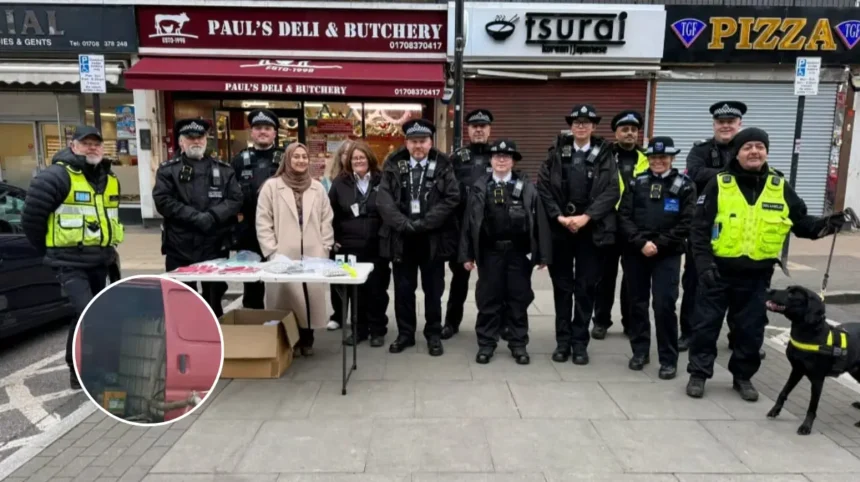
- Men believed to be driving around in a red van are targeting homes, starting work without permission, and then demanding payment, leaving residents feeling pressured and intimidated.
- Your Local Police Safer Neighbourhood Teams are asking residents to remain extremely vigilant.
- Police have received multiple reports of individuals arriving uninvited at properties and cleaning part of a driveway without any prior agreement, before insisting on payment for work that was never requested.
- Havering Police are urging residents not to hand over any money to anyone who turns up unannounced offering or carrying out work they have not agreed to.
- Officers advise residents to stay inside their property and avoid engaging with these individuals at all.
- If anyone feels pressured, threatened or intimidated into paying for services they did not request, police are clear that residents should call 999 immediately.
- If the situation is not urgent, residents can contact police on 101 or make a report online via the Metropolitan Police website.
- Police are reminding residents that legitimate traders will not turn up without prior agreement, begin work without permission, or demand immediate payment.
Havering (East London Times) February 6, 2026 – Havering Police have issued an urgent warning to residents after reports of a driveway cleaning scam taking place across the borough, with men believed to be driving around in a red van targeting homes, starting work without permission and then demanding payment, leaving residents feeling pressured and intimidated.
- Key Points
- What is the Driveway Cleaning Scam Targeting Havering?
- Who Are the Suspects in the Havering Scam?
- How Should Havering Residents Respond to Uninvited Traders?
- Why Are Driveway Scams Prevalent in Areas Like Havering?
- What Makes Legitimate Traders Different from Conmen?
- How Can Havering Police Be Contacted for Scam Reports?
- What Broader Precautions Should Residents Take?
- Are Similar Scams Reported Elsewhere in London?
- What Role Do Safer Neighbourhood Teams Play?
- How Does This Scam Impact Havering Residents?
Your Local Police Safer Neighbourhood Teams are asking residents to remain extremely vigilant following these incidents. Police have received multiple reports of individuals arriving uninvited at properties and cleaning part of a driveway without any prior agreement, before insisting on payment for work that was never requested, as detailed in the official alert from The Havering Daily. This scam tactic has raised significant concerns among local authorities, who emphasise the need for heightened awareness in the community.
What is the Driveway Cleaning Scam Targeting Havering?
The scam involves opportunistic individuals who approach homeowners unannounced, often in a distinctive red van, and begin cleaning a portion of the driveway without any prior consent. As reported by The Havering Daily in their article published on February 6, 2026, these conmen then demand payment for the unsolicited work, employing pressure tactics that leave residents feeling intimidated. Havering Police have noted multiple such reports, highlighting the pattern of behaviour where victims are caught off guard by the sudden appearance and initiation of work.
This type of doorstep scam is not isolated to Havering but follows a familiar modus operandi seen in similar incidents across the UK. The conmen typically use high-pressure sales techniques, insisting on immediate cash payment and sometimes exaggerating the condition of the driveway to justify exorbitant fees. According to the police statement, legitimate traders will not turn up without prior agreement, begin work without permission, or demand immediate payment, a key differentiator stressed to help residents identify fraudulent activity.
Who Are the Suspects in the Havering Scam?
While specific identities of the suspects have not been released in the initial police warning, they are described as men driving a red van, canvassing neighbourhoods in Havering. The Havering Police alert, as covered by The Havering Daily, points to these individuals arriving uninvited at properties, a tactic designed to exploit surprise and create a sense of obligation. No arrests have been mentioned at this stage, but the description of the red van serves as a critical identifier for residents to watch for.
Police Safer Neighbourhood Teams are actively investigating the multiple reports received. Residents are urged not to engage with these individuals, with officers advising people to stay inside their property to avoid any confrontation. This guidance underscores the proactive role of local policing in disrupting the scammers’ operations before further victims emerge.
How Should Havering Residents Respond to Uninvited Traders?
Havering Police are clear in their directives: residents should not hand over any money to anyone who turns up unannounced offering or carrying out work they have not agreed to. As stated in the official warning via The Havering Daily, “Officers advise residents to stay inside their property and avoid engaging with these individuals at all.” This non-engagement policy is designed to deny the scammers the opportunity to apply pressure.
In cases where residents feel pressured, threatened, or intimidated into paying for services they did not request, police insist on immediate action by dialling 999. For non-urgent matters, contacting police on 101 or reporting online via the Metropolitan Police website is recommended. These response protocols are tailored to ensure resident safety while facilitating swift police intervention.
Why Are Driveway Scams Prevalent in Areas Like Havering?
Doorstep scams such as this thrive on vulnerability, particularly in suburban boroughs like Havering where homes often feature driveways that can be targeted discreetly. The police reminder that legitimate traders operate differently—always with prior agreement and without unsolicited work—serves as an educational tool to empower residents. Such scams often peak in winter months when surfaces appear dirtier, providing a pretext for the conmen.
As reported by The Havering Daily, the urgency of the warning reflects the volume of reports, indicating a coordinated effort by the scammers across the borough. This pattern aligns with broader UK trends where rogue traders exploit economic pressures, targeting older residents or those living alone who may feel less inclined to challenge demands.
What Makes Legitimate Traders Different from Conmen?
Police are reminding residents that genuine service providers adhere to strict professional standards. Legitimate traders will not turn up without prior agreement, nor will they begin work without explicit permission or demand immediate payment, as emphasised in the Havering Police statement covered by The Havering Daily. Authentic businesses typically provide written quotes, clear contracts, and allow time for consideration, often displaying proper identification and vehicle markings.
This distinction is crucial for prevention. Residents are encouraged to verify traders through checks like membership in trade bodies such as Checkatrade or TrustMark, and to seek multiple quotes before committing. By understanding these markers, Havering locals can protect themselves effectively.
How Can Havering Police Be Contacted for Scam Reports?
For immediate threats, the directive is unambiguous: call 999 if feeling pressured, threatened, or intimidated. The Havering Police guidance, as relayed through The Havering Daily, specifies this emergency line for urgent situations arising from unsolicited services.
Non-emergency reports should go through 101, or residents can submit details online via the Metropolitan Police website. This multi-channel approach ensures accessibility, allowing even those unable to speak immediately to document incidents for investigation.
What Broader Precautions Should Residents Take?
Beyond the immediate response, Havering Police advocate vigilance as the cornerstone of defence. Your Local Police Safer Neighbourhood Teams’ call to “remain extremely vigilant” encapsulates a community-wide effort to starve scammers of opportunities. Additional precautions include installing CCTV, sharing neighbourhood watch alerts, and educating vulnerable family members.
The scam’s reliance on intimidation highlights the psychological tactics at play, where victims may doubt their right to refuse. Police reassurance that unsolicited work carries no obligation reinforces resident rights under consumer protection laws.
Are Similar Scams Reported Elsewhere in London?
While the current alert is specific to Havering, driveway cleaning scams have been recurrent across Greater London boroughs, often involving similar vehicles and tactics. The red van description in this case may link to ongoing operations, prompting police to issue borough-wide warnings like this one from The Havering Daily. Cross-borough intelligence sharing via the Metropolitan Police enhances tracking.
Residents in adjacent areas are wise to heed the advice, as scammers frequently relocate after reports increase. The emphasis on non-engagement applies universally, preventing the scam’s spread.
What Role Do Safer Neighbourhood Teams Play?
Your Local Police Safer Neighbourhood Teams are at the forefront, issuing the urgent warning and handling reports. Their community-embedded presence allows for tailored advice, as seen in the direct appeal for vigilance in the Havering alert. These teams bridge policing with prevention, conducting awareness drives and following leads on the red van sightings.
Their involvement signals a localised response, contrasting with broader force-wide operations. This grassroots approach builds trust, encouraging reports that disrupt scams early.
How Does This Scam Impact Havering Residents?
Victims face not only financial loss but emotional distress from intimidation tactics. The police description of residents feeling “pressured and intimidated” captures the human cost, beyond mere monetary demands. Elderly or isolated individuals are particularly at risk, amplifying the need for communal vigilance.
Economic fallout includes inflated charges for shoddy or damaging work, with driveways sometimes left worse off. Police warnings aim to mitigate this through proactive education.