Key Points
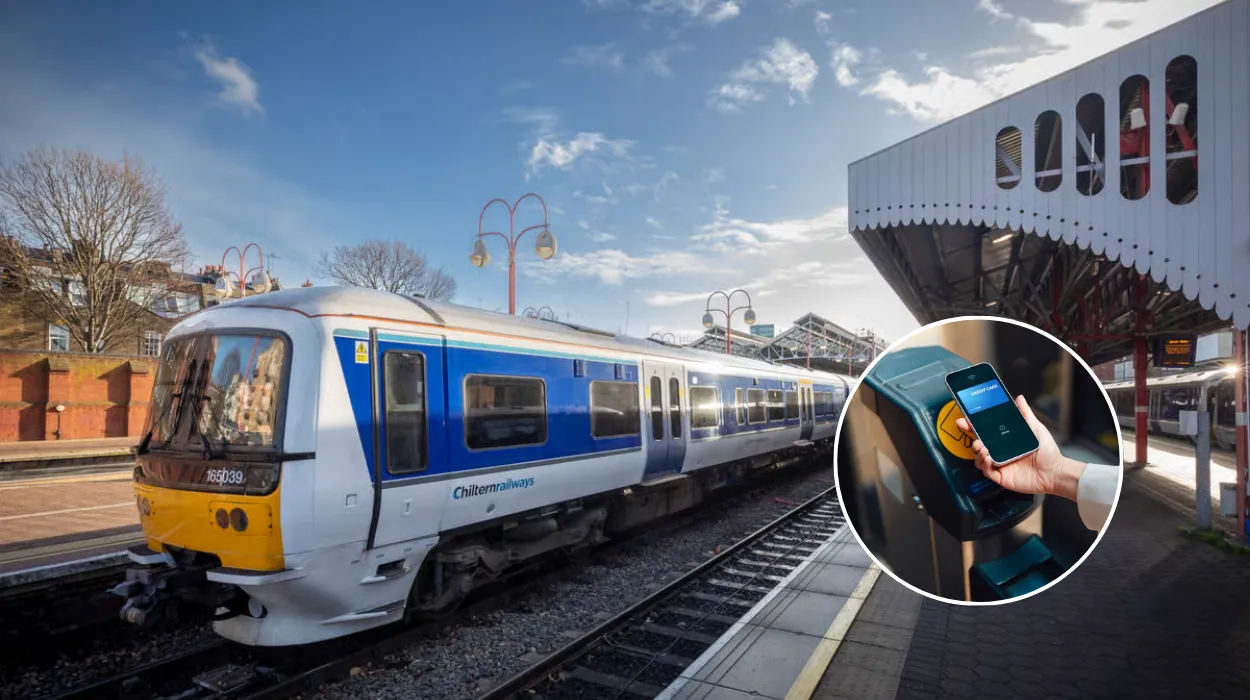
- Contactless payment rollout expanded to 30 more stations in south-east England, including areas in south east London, on December 14 as part of the Department for Transport’s (DfT) Project Oval.
- Changes to paper ticketing time restrictions align with Transport for London’s (TfL) contactless structure, shifting off-peak windows and requiring peak tickets for some previously off-peak services in south east London and surrounding regions.
- First weekday London-bound Southern service from Reigate, Surrey, boardable with an off-peak day travelcard now departs at 9.28am, up from 8.58am previously; at Redhill (five minutes later), off-peak tickets still valid.
- Day travelcard from relevant stations costs £37.10 anytime, versus £20.60 off-peak.
- New restrictions on travel between 4pm and 7pm, affecting commuters in south east London and south-east England.
- Cheapest super off-peak tickets removed from some stations, including those serving south east London routes.
- Railfuture analysis: Contactless users charged up to twice as much as paper ticket holders for some journeys due to lack of railcard or child discounts, with implications for south east London travellers.
- Example: Family of two adults and two children from Luton to central London at weekend pays £84 contactless vs £41.70 with Thameslink Groupsave paper tickets.
- Commuter from East Grinstead, West Sussex, to London at peak could save £3.60 daily with £35 Network Railcard on paper tickets.
- Reigate, Redhill and District Rail Users’ Association (RRDRUA) members call situation “ridiculous”; one plans to cycle to Redhill to use cheaper off-peak option.
- MP Ms Paul frustrated, contacted by residents; pledges to press GTR (parent of Southern/Thameslink) and DfT.
- RRDRUA organiser Steve Trigg highlights families altering schedules or facing 85% cost hikes; criticises DfT for not engaging users.
- Railfuture vice chairman Neil Middleton: Contactless convenient but has “stings in the tail”; advises checking operator sites and TfL fare finder.
- Rail minister Lord Hendy: Ensures “best fares”.
- GTR spokesman: Aligns with TfL for pay-as-you-go; some fares rise, others fall; not designed to increase revenue; cites Reigate savings examples (£7.60 vs £14.60 single off-peak; £15.20 vs £26.80 for early/late commuter).
- DfT spokesperson: Simpler travel, majority single tickets same or lower price; aligns with TfL’s “best price promise”.
What Triggered the Fare Changes for London Commuters in South East London?
The expansion stems from aligning national rail ticketing with TfL’s contactless pay-as-you-go model. As part of DfT’s Project Oval, contactless reached 30 more south-east stations on December 14, including those serving south east London, prompting tweaks to paper ticket time bands.
- Key Points
- What Triggered the Fare Changes for London Commuters in South East London?
- Who Is Complaining About the Contactless Rollout in South East London?
- How Much More Do Contactless Users Pay Compared to Paper Tickets in South East London Routes?
- What Savings Do Operators Claim from the Changes Across South East London?
- Why Align Rail Fares with TfL’s System in South East London?
- What Happens Next for Affected Passengers in South East London?
Services once accessible with off-peak day travelcards now demand pricier peak options. For instance, the first weekday London-bound Southern train from Reigate, Surrey, boardable with an off-peak ticket now leaves at 9.28am, compared to 8.58am before. Yet, when that same 8.58am train stops at Redhill just five minutes later, off-peak tickets remain valid there.
A day travelcard usable anytime from these stations costs £37.10, while the off-peak version is £20.60. New curbs also hit evening travel between 4pm and 7pm, squeezing flexible commuters across south east London and south-east England.
One RRDRUA member labelled this “ridiculous” and plans to cycle from Reigate to Redhill to snag the cheaper off-peak boarding.
Who Is Complaining About the Contactless Rollout in South East London?
Local frustration boils over, with residents and representatives voicing dismay across south east London and beyond. As reported by journalists covering the story across outlets, Ms Paul, likely the local MP, stated she has fielded calls from “a number of residents who are understandably frustrated” by the contactless expansion.
She added:
“This change should make rail travel easier, not more expensive or confusing. Reigate passengers deserve the benefits of modern ticketing, but I will not stand by while my constituents face higher fares and fewer affordable travel options. Many people rely on off-peak travel to keep costs down and quietly narrowing the definition of what counts as off-peak risks pricing passengers out of rail altogether.”
Ms Paul pledged to press GTR – parent of Southern and Thameslink – and the DfT to “ensure that the introduction of contactless does not result in passengers paying more for the same journeys”.
RRDRUA organiser Steve Trigg told the Press Association that families visiting London must now tweak schedules or stomach an 85% cost surge for peak returns. He described a “complex situation” causing “massive problems because the DfT won’t talk with ordinary people using the services”.
How Much More Do Contactless Users Pay Compared to Paper Tickets in South East London Routes?
Lobby group Railfuture’s analysis reveals stark disparities. Passengers using contactless pay up to twice as much as paper ticket holders for certain trips, as discounts like railcards or child fares cannot register with contactless—a concern for south east London travellers too.
A family of two adults and two children from Luton to central London at the weekend faces £84 via contactless, but just £41.70 buying Thameslink paper tickets with a free Groupsave discount.
A peak-time commuter from East Grinstead, West Sussex, to London could save £3.60 daily with a £35 Network Railcard on paper tickets.
Railfuture vice chairman Neil Middleton said:
“Offering the option for contactless payment for rail travel is a good thing – convenient and simple. But it currently comes with a number of stings in the tail, so if a traveller wants to pay the lowest price for their travel, contactless payment often doesn’t deliver the best price.”
The rollout has also axed the cheapest super off-peak tickets at some stations, amplifying costs for south east London connections.
Railfuture urges checking train operator websites and TfL’s single fare finder for the best method.
What Savings Do Operators Claim from the Changes Across South East London?
GTR and DfT counter that contactless simplifies travel with net benefits. At rollout, rail minister Lord Hendy said it would ensure “passengers can get the best fares”.
A GTR spokesman emphasised that contactless speeds up planning and payment, with prior phases “hugely popular with passengers”. He explained:
“To introduce pay as you go with contactless, we have to align the way fares are structured with those of the wider TfL contactless system. Peak and off-peak timing has to match with the TfL system as well.”
He acknowledged:
“We understand how, for some people, this means fares will rise, but for many others they will fall. Overall, these changes are not designed to increase the amount of money generated from ticket sales.”
GTR cited Reigate examples: A single weekday off-peak journey now costs £7.60, down from £14.60. A commuter travelling before 6.30am and returning before 4pm or after 7pm saves £11.60, with total fare dropping from £26.80 to £15.20.
A DfT spokesperson reinforced:
“Contactless ticketing means passengers are benefiting from simpler, more flexible travel and the majority of single tickets will be the same price or even lower. We have brought ticketing in line with London’s ‘best price promise’ to make it easier for passengers, so they can be confident they have the best fare on the day of travel.”
Why Align Rail Fares with TfL’s System in South East London?
The core driver is seamless integration. Contactless pay-as-you-go demands uniform peak/off-peak bands across TfL and partnering operators like GTR, eliminating mismatches that once allowed off-peak loopholes in south east London and regional networks.
This “best price promise” caps daily fares like Oyster cards, but aligning erodes some paper ticket advantages. Critics argue it overlooks families and discount users, while proponents highlight convenience for solos tapping in without queues.
What Happens Next for Affected Passengers in South East London?
Railfuture advises vigilance: Compare contactless versus paper via operator sites or TfL tools. Ms Paul’s advocacy signals potential scrutiny on GTR and DfT, possibly yielding tweaks.
Commuters like the RRDRUA cyclist embody workarounds, but widespread shifts risk alienating users if savings prove elusive. As contactless expands through south east London, balancing modernity with affordability remains key.