Key Points
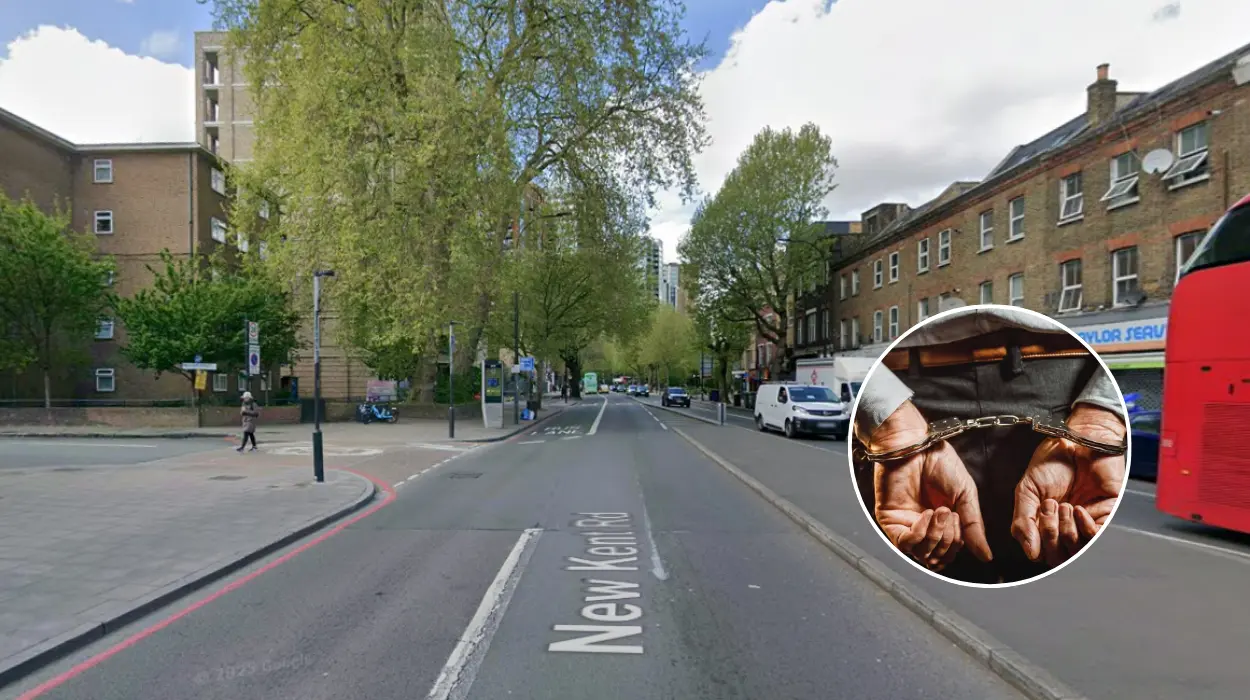
- Zeeshan Banghis, 21 (AKA Bangash Zeeshan), an Afghan national and member of a people smuggling gang, was arrested at an address on New Kent Road in south east London on December 18, 2024, and extradited to Belgium on January 15, 2026.
- A second man, Saifur Rahman Ahmedzai (AKA Raees Hamza), 24, another Afghan national, was apprehended in Hemel Hempstead on December 30, 2024.
- Belgian prosecutors state the gang organised the transport of migrants from Afghanistan through Iran, Turkey, and the Balkans into western Europe, primarily France and Belgium.
- Many migrants were eventually placed on small boats from northern France to the UK, with the gang suspected of transporting thousands of people this way.
- The group committed serious sexual offences against male migrant children, including rape, which they filmed and used to blackmail victims into criminality and further sexual abuse, according to the National Crime Agency (NCA).
- NCA investigators supported the Belgian investigation for around two years, providing intelligence and evidence to the Belgian Federal Police on suspected network members.
- In November 2024, a court in Antwerp convicted and sentenced the pair and 21 other gang members to a total of 170 years’ imprisonment, with individual sentences ranging from two to 18 years.
- Eleven members, including Banghis and Ahmedzai, were tried in their absence.
- Ahmedzai received a 10-year sentence, while Banghis was sentenced to three years in jail; both were fined 3,000 Euros.
- Ahmedzai was extradited to Belgium in June 2025, and Banghis followed on January 15, 2026; both will serve the remainder of their sentences in a Belgian jail.
- Officers collaborated with Border Force and Immigration Enforcement to identify UK-arrived migrants and victims, conducting safeguarding checks.
- Andy Kelly, head of the NCA’s National Extradition Unit, described the gang’s global operations, exploitation of vulnerable migrants, and the success of international cooperation.
South East London (East London Times) January 16, 2026 – Zeeshan Banghis, a 21-year-old Afghan national also known as Bangash Zeeshan, has been extradited from the UK to Belgium following his arrest on New Kent Road in south east London as part of a major people smuggling operation. The operation involved transporting thousands of migrants across Europe, including many who crossed to the UK via small boats from northern France. Belgian authorities convicted Banghis in absentia in November 2024 to three years in prison and a 3,000 Euro fine, with extradition completed yesterday, January 15, 2026.
- Key Points
- Who Was Zeeshan Banghis and What Led to His Arrest?
- What Role Did Saifur Rahman Ahmedzai Play in the Gang?
- What Crimes Did the Gang Commit Beyond Smuggling?
- How Did the NCA Support the Belgian Investigation?
- What Were the Court Outcomes in Antwerp?
- When and Why Were the Extraditions Carried Out?
- What Is Andy Kelly’s View on the Gang’s Operations?
- Why Does This Case Matter for UK Border Security?
This development marks the culmination of a two-year joint investigation between the UK’s National Crime Agency (NCA) and Belgian Federal Police, targeting a gang accused of heinous crimes against vulnerable migrants. A second suspect, Saifur Rahman Ahmedzai, 24, known as Raees Hamza, was arrested in Hemel Hempstead on December 30, 2024, and extradited in June 2025 to serve a 10-year sentence. The Antwerp court sentenced 23 gang members in total to 170 years’ collective imprisonment.
Who Was Zeeshan Banghis and What Led to His Arrest?
Zeeshan Banghis, aged 21 and also known by the alias Bangash Zeeshan, was apprehended at an address on New Kent Road on December 18, 2024. This arrest followed intelligence linking him to an international people smuggling network primarily composed of Afghan nationals. Belgian prosecutors detail that the gang orchestrated migrant journeys from Afghanistan via Iran, Turkey, and the Balkans towards western Europe, with key destinations being France and Belgium.
The network’s operations extended to the UK, where many migrants were loaded onto small boats departing from northern France. Authorities suspect the gang facilitated the transport of thousands in this manner. Banghis was one of 11 members tried in absentia by the Antwerp court in November 2024, receiving a three-year jail term and a 3,000 Euro fine.
What Role Did Saifur Rahman Ahmedzai Play in the Gang?
Saifur Rahman Ahmedzai, 24, using the alias Raees Hamza, was detained in Hemel Hempstead on December 30, 2024. Like Banghis, he is an Afghan national implicated in the same smuggling ring. The Antwerp court imposed a 10-year prison sentence on Ahmedzai in November 2024, again in absentia, alongside the standard 3,000 Euro fine.
Ahmedzai’s extradition to Belgium occurred in June 2025, allowing him to begin serving his term ahead of Banghis. Both men now face incarceration in a Belgian jail for the remainder of their sentences, as confirmed by NCA statements.
What Crimes Did the Gang Commit Beyond Smuggling?
Beyond smuggling, the gang engaged in grave sexual offences against male migrant children. The NCA reports that these acts included rape, which perpetrators filmed to blackmail victims into further criminality and abuse. This exploitation compounded the misery inflicted on already vulnerable individuals seeking passage to Europe.
Belgian prosecutors highlight the gang’s role in organising transports that preyed on desperation, turning profit from human suffering. The NCA’s involvement underscored the network’s transnational nature, with operations spanning continents.
How Did the NCA Support the Belgian Investigation?
NCA investigators collaborated with Belgian Federal Police for approximately two years, supplying critical intelligence and evidence on suspected network members. This partnership proved pivotal in securing the Antwerp convictions.
Additionally, NCA officers worked alongside Border Force and Immigration Enforcement to trace migrants and victims who reached the UK. Safeguarding checks were conducted to protect those identified, reflecting a comprehensive approach to disrupting the gang’s activities.
The investigation exemplifies international law enforcement coordination against global threats, as evidenced by the successful prosecutions.
What Were the Court Outcomes in Antwerp?
In November 2024, an Antwerp court convicted 23 members of the gang, including Banghis and Ahmedzai, sentencing them to a combined 170 years’ imprisonment. Sentences varied from two to 18 years, with 11 trials conducted in absentia.
Banghis received three years, while Ahmedzai got 10 years; both incurred 3,000 Euro fines. The remaining 12 members faced immediate imprisonment post-conviction.
When and Why Were the Extraditions Carried Out?
Banghis’s extradition occurred on January 15, 2026, following his December 2024 arrest, to serve his three-year sentence in Belgium. Ahmedzai’s transfer happened in June 2025 after his Hemel Hempstead detention.
These actions fulfilled the Antwerp court’s rulings, ensuring accountability for smuggling and related crimes. The timings aligned with legal processes and international agreements.
What Is Andy Kelly’s View on the Gang’s Operations?
Andy Kelly, head of the NCA’s National Extradition Unit, stated:
“This gang operated across the globe and piled misery on migrants they transported, all for the sake of making a profit.”
He added,
“Many of these people would have been extremely vulnerable, which makes it all the more shocking that disgraceful sexual offences were committed against some of them.”
Kelly further noted:
“Our joint investigation with Belgian law enforcement is another example of international action succeeding against a global threat. These extraditions display a very strong message that work to disrupt and dismantle the gangs behind this horrendous trade will never slow down.”
Why Does This Case Matter for UK Border Security?
The extraditions reinforce UK efforts against people smuggling, a persistent challenge for border security. New Kent Road’s role as an arrest site highlights south east London’s position in such networks.
Ongoing cooperation with European partners, as seen here, aims to deter crossings via small boats. Victim safeguarding in the UK demonstrates a dual focus on enforcement and protection.