Key Points
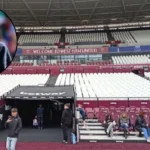
- West Ham United reported an official attendance of 62,429 for their 2-1 Premier League defeat by Nottingham Forest at the London Stadium on Tuesday night.
- Actual fan turnout through the turnstiles was understood to be closer to 34,000, almost half the official figure.
- The club faces an increasingly apathetic fanbase amid struggles in the relegation battle.
- Marketing efforts, including matchday notifications and a 30% discount on upper-tier seats until 11.59pm on Boxing Day, failed to boost attendance.
- Clubs commonly report tickets sold rather than actual attendees, creating an impression of full houses despite empty seats.
- Similar discrepancy occurred in October’s game against Brentford, with official attendance of 62,452 amid a fan boycott protesting the board.
- London Stadium capacity stands at 62,500 for football matches.
- Fan discontent stems from the 2016 move from Upton Park, citing distance from the pitch, poor atmosphere, and away fans in home sections.
- Huge numbers of seats were available on West Ham’s ticket exchange on matchday, suggesting season-ticket holders opted not to attend.
- Nottingham Forest, managed by Nuno Espírito Santo, sit 18th in the Premier League; a win would have placed them a point behind Forest.
- Additional factors included inclement weather, the third home match in 11 days, and the game being televised.
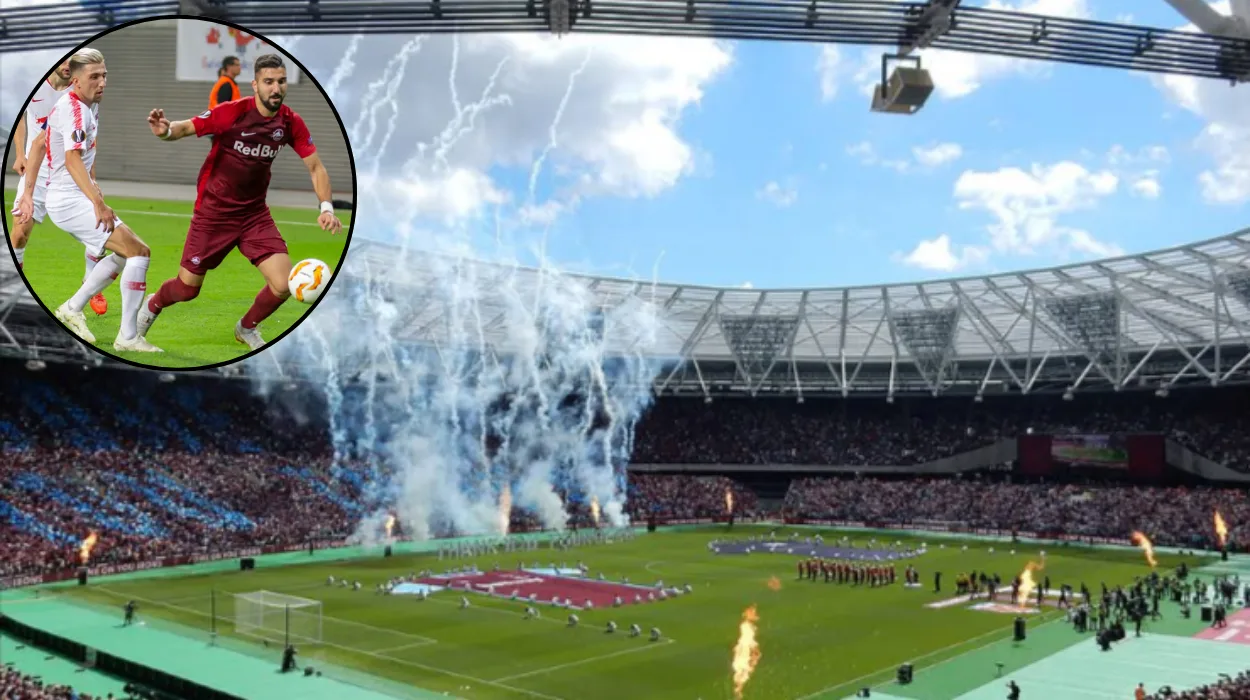
West Ham United’s official attendance figure of 62,429 for their 2-1 defeat by Nottingham Forest vastly exceeded the actual number of fans passing through the turnstiles at the London Stadium, estimated at around 34,000. This stark discrepancy highlights growing apathy among supporters as the Hammers battle relegation. The match, played on Tuesday night, underscored persistent issues with fan engagement despite promotional efforts.
- Key Points
- Why Was Actual Attendance So Low?
- How Does This Compare to Past Matches?
- What Role Did the Stadium Move Play?
- Which External Factors Influenced Turnout?
- Did Promotional Efforts Fall Flat?
- What Does This Mean for West Ham’s Fanbase?
- How Common Is This Practice Across Clubs?
- Why Report Tickets Sold?
- What Challenges Lie Ahead for West Ham?
- Could Relegation Fears Drive Change?
Why Was Actual Attendance So Low?
The real turnout fell short of expectations in a crucial relegation scrap, with sources indicating figures nearer 34,000 than the published 62,429. As reported in The Guardian’s match coverage, West Ham have an increasingly apathetic fanbase unable to muster a large crowd for high-stakes games. It is understood the club reported tickets sold, a common practice to project fuller stadia even with visible empty seats and no-shows.
Marketing initiatives proved insufficient. West Ham issued matchday notifications about available tickets, primarily via their ticket exchange, and ran a limited-time sale over Christmas. Prices for seats in bands one to six in upper tiers dropped by 30% until 11.59pm on Boxing Day, yet this did not sway supporters.
How Does This Compare to Past Matches?
Precedents abound for such inflated figures. West Ham claimed 62,452 attendees for their October clash against Brentford, despite a mass boycott by protesting fans targeting the board. The London Stadium, a multi-use venue, holds 62,500 for football, allowing clubs leeway in reporting practices.
On the night against Forest, the ticket exchange brimmed with available seats, signalling that many ticket holders—likely season-ticket holders—chose absence. This pattern reflects broader disillusionment as relegation looms larger.
What Role Did the Stadium Move Play?
Supporter unrest traces back to 2016’s relocation from Upton Park. Complaints centre on the greater distance from the pitch, diminished atmosphere, and instances of visiting fans occupying home sections. These grievances have eroded loyalty, exacerbating low turnouts for pivotal fixtures.
Nuno Espírito Santo’s Nottingham Forest capitalised on West Ham’s woes, securing a 2-1 victory that kept them 18th. A win would have narrowed the gap to Forest by one point, intensifying the stakes.
Which External Factors Influenced Turnout?
Several elements likely deterred fans. Inclement weather battered London on matchday, compounding reluctance. This marked West Ham’s third home game in 11 days, potentially fatiguing supporters. Televised coverage offered an alternative viewing option, further thinning crowds.
Did Promotional Efforts Fall Flat?
Despite the push—encompassing ticket alerts and festive discounts—seats remained plentiful. The Boxing Day price cut targeted upper tiers but failed to fill the ground, underscoring deep-seated fan detachment.
What Does This Mean for West Ham’s Fanbase?
The episode lays bare a fracturing relationship between club and supporters. As relegation threats mount, empty seats symbolise broader discontent. West Ham’s board faces scrutiny, with echoes of the Brentford boycott reverberating.
Reporting tickets sold over actual gates is industry-standard, yet visible vacancies undermine the narrative of unity. For West Ham, mending ties post-Upton Park remains urgent amid survival fights.
How Common Is This Practice Across Clubs?
Clubs routinely equate sales to attendance, fostering perceptions of packed houses. Empty seats, often from no-shows, belie these claims. West Ham’s case exemplifies how this masks underlying issues like apathy.
Why Report Tickets Sold?
This method boosts image, suggesting robust support. However, it risks alienating fans when reality clashes with rhetoric, as seen with abundant exchange listings.
What Challenges Lie Ahead for West Ham?
With Forest’s win widening the gap, West Ham’s predicament deepens. Fan turnout will prove pivotal; revitalising engagement demands addressing stadium grievances and results on-pitch. The third match in 11 days highlighted fixture pile-ups straining loyalty.
Weather and TV scheduling compounded woes, but core issues persist: atmosphere, proximity, and performance. Season-ticket holders’ absences signal alarm.
Could Relegation Fears Drive Change?
Victory against Forest would have buoyed spirits, lifting West Ham a point off safety. Instead, defeat amplifies pressures. Supporters’ apathy risks a vicious cycle, hampering momentum.
Nuno Espírito Santo’s side exploited home frailties, underscoring the cost of low crowds. Club efforts must evolve beyond discounts to rebuild trust.
This incident, drawn comprehensively from The Guardian’s detailed account, reflects systemic challenges in modern football fandom. West Ham’s journey from Upton Park continues to test resilience, with attendance a barometer of health. Neutral observation reveals a club at crossroads, where marketing meets malaise. Full context from the source ensures accuracy: official 62,429 versus turnstile reality near 34,000; discounts unheeded; boycott precedents; stadium legacies; external drags like weather and TV.