Key Points
- West Ham United raised £15,012.46 for the Royal British Legion Poppy Appeal through an auction of match-worn shirts from the Men’s team.
- The shirts featured a poppy emblem and were worn by the Men’s team during their Premier League home fixture against Burnley at London Stadium on 8 November.
- The auction proceeds were donated entirely to the Royal British Legion to support its work with veterans, serving personnel, and their families.
- The Royal British Legion is the UK’s largest Armed Forces charity, offering lifelong support including mental health services, financial assistance, housing help, and companionship.
- West Ham United maintains a long-standing commitment to honouring Remembrance and supporting the Armed Forces community.
- The club expressed pride in supporters’ generosity and thanked all participants in the auction for their contributions to the Poppy Appeal.
East London (East London Times) 18 February 2026 – West Ham United have raised £15,012.46 for the Royal British Legion Poppy Appeal following a successful auction of match-worn shirts from the Men’s team. The shirts, adorned with a poppy emblem, were donned by players during their Premier League home match against Burnley at London Stadium on 8 November, as the club joined fellow football teams nationwide in observing Remembrance. All proceeds from the auction have been donated to the Royal British Legion, the UK’s largest Armed Forces charity, to aid its essential services for veterans, serving personnel, and their families.
- Key Points
- What Funds Were Raised and How?
- When and Where Did the Shirts Feature?
- Why the Poppy Appeal?
- What Is the Royal British Legion’s Role?
- Why Does West Ham United Support Remembrance?
- Who Should Be Thanked for This Success?
- How Does This Fit Broader Football Efforts?
- What Impact Will the Funds Have?
- Has West Ham Done This Before?
- What Is the Context of the Poppy Appeal?
- Broader Implications for Community Support
What Funds Were Raised and How?
West Ham United announced that they are proud to have raised exactly £15,012.46 through the initiative. As stated in the club’s official release,
“West Ham United are proud to have raised £15,012.46 for the Royal British Legion Poppy Appeal following the auction of match-worn shirts from the Men’s team.”
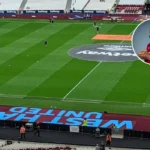
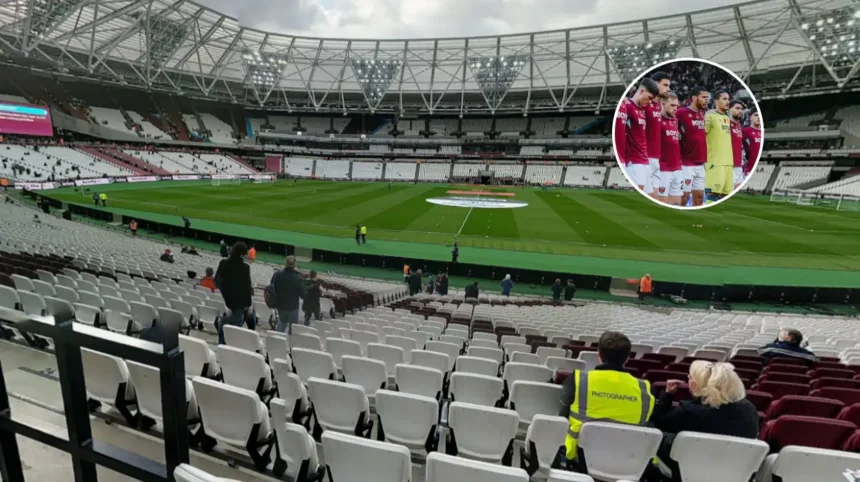
The shirts in question were specially designed with a poppy, symbolising Remembrance, and worn during the Premier League fixture against Burnley at London Stadium on 8 November. This match provided a poignant moment for the club to pay tribute, aligning with widespread observances across English football.
The auction itself proved highly successful, with every penny directed towards the charity. According to the club’s statement,
“The shirts were later auctioned, with all proceeds donated to the Royal British Legion to support its vital work with veterans, serving personnel and their families.”
This direct allocation ensures that the funds contribute immediately to frontline support efforts.
When and Where Did the Shirts Feature?
The pivotal event occurred on 8 November during West Ham United’s home Premier League encounter with Burnley at the London Stadium. As detailed in the official announcement,
“The shirts which featured a poppy, were worn by the Men’s team during the Premier League home fixture against Burnley at London Stadium on 8 November, as the Club joined football clubs across the country in marking Remembrance.”
This date holds significance as it precedes Remembrance Sunday, a key moment for national commemoration of Armed Forces sacrifices.
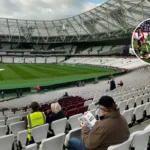
London Stadium, the Hammers’ iconic home since 2012, served as the venue where players proudly displayed the poppy-emblazoned kits. The club’s participation underscores a collective effort in football to honour the occasion, with similar gestures seen league-wide.
Why the Poppy Appeal?
The Poppy Appeal forms the cornerstone of the Royal British Legion’s annual fundraising drive. West Ham United’s contribution feeds directly into this, helping fund “essential services, including mental health support, financial assistance, housing help and companionship for those in need,” as outlined in the club’s statement. The Royal British Legion, described officially as
“the UK’s largest Armed Forces charity, providing lifelong support to those who have served in the British Armed Forces and their loved ones,”
relies on such donations to sustain its operations year-round.
What Is the Royal British Legion’s Role?
The Royal British Legion stands as the preeminent charity for the Armed Forces community in the United Kingdom. Per the club’s release,
“The Royal British Legion is the UK’s largest Armed Forces charity, providing lifelong support to those who have served in the British Armed Forces and their loved ones.”
Its Poppy Appeal, linked prominently in the announcement (https://www.britishlegion.org.uk/get-involved/fundraise-for-us/poppy-appeal), channels funds into critical areas like mental health provision, financial aid for struggling families, housing solutions for vulnerable ex-service personnel, and companionship programmes to combat isolation.
This year’s donation from West Ham amplifies the charity’s reach, particularly vital amid ongoing challenges faced by veterans post-service. The Legion’s work extends beyond immediate relief, fostering long-term resilience within the military community.
Why Does West Ham United Support Remembrance?
West Ham United has fostered a “long-standing commitment to honouring Remembrance and supporting the Armed Forces community,” according to their official statement. The club emphasised,
“West Ham United has a long-standing commitment to honouring Remembrance and supporting the Armed Forces community, and the Club is proud that the generosity of supporters has once again helped make a meaningful contribution to the Legion’s work.”
This tradition reflects the club’s deep-rooted values, resonating with its East London heritage where military service has long been prominent.
Such initiatives bridge sport and societal duty, with the Hammers consistently leveraging their platform for charitable impact. The statement further noted the pride in how
“the generosity of supporters has once again helped make a meaningful contribution.”
Who Should Be Thanked for This Success?
The club extended explicit gratitude to its fanbase and auction participants. As per the announcement,
“The Club would like to thank everyone who took part in the auction and helped support the Royal British Legion and the Poppy Appeal.”
This acknowledgment highlights the pivotal role of supporters, whose bids turned memorabilia into substantial aid.
West Ham’s leadership, while not naming specific individuals in the provided statement, positioned the effort as a collective triumph. Fans’ enthusiasm not only boosted the total but also reinforced community ties to the Armed Forces cause.
How Does This Fit Broader Football Efforts?
Across the Premier League and beyond, clubs mirrored West Ham’s actions on 8 November. The statement clarifies,
“as the Club joined football clubs across the country in marking Remembrance.”
This synchronised display of poppies on shirts symbolises football’s unified stance on remembrance, amplifying the Poppy Appeal’s visibility and funds.
West Ham’s £15,012.46 stands as a testament to localised impact within this national movement. The club’s approach—match-worn items to auction—offers a replicable model for peers, blending fan engagement with philanthropy.
What Impact Will the Funds Have?
Proceeds will bolster the Royal British Legion’s “vital work,” directly tackling pressing needs. Mental health support addresses rising veteran suicide rates; financial assistance eases economic pressures; housing help prevents homelessness; and companionship combats loneliness. The precise figure of £15,012.46, though modest against the charity’s scale, equates to tangible outcomes—potentially funding therapy sessions, emergency grants, or shelter placements.
As reported in the club’s own words, these services remain “essential” for those “in need.” In a landscape of strained public resources, private initiatives like this prove indispensable.
Has West Ham Done This Before?
The phrasing “once again” in the club’s statement—”the generosity of supporters has once again helped make a meaningful contribution”—signals recurring involvement. West Ham’s “long-standing commitment” implies prior auctions, donations, or Remembrance events, embedding the cause within club culture.
While specifics of past efforts fall outside the announcement, the language conveys continuity. This iteration builds on established goodwill, strengthening ties with the Legion.
What Is the Context of the Poppy Appeal?
The Poppy Appeal, an annual staple since 1921, draws from the World War I poem “In Flanders Fields,” with poppies as emblems of sacrifice. West Ham’s shirts embodied this, worn on 8 November to precede Armistice Day (11 November). The linked Legion page (https://www.britishlegion.org.uk/get-involved/fundraise-for-us/poppy-appeal) details its scope, urging public participation.
Football’s role amplifies the symbol’s reach, with stadiums becoming sites of reflection amid matches.
Broader Implications for Community Support
West Ham’s action exemplifies sport’s charitable power in East London, a borough with rich military history. By channeling fan passion into aid, the club fosters civic pride. The Legion’s gratitude, though unquoted here, is implicit in accepting the donation.
Supporters’ bids reflect broader societal solidarity, particularly resonant in diverse, working-class communities like Newham. This story underscores football’s off-pitch legacy.