Key Points
- West Ham United have established a historic attendance record in English league football, averaging 60,882 supporters per match in the Football League Championship.
- The Hammers lead their nearest divisional rivals, Wolverhampton Wanderers (averaging 30,235 supporters), by a margin of 30,647 spectators per game.
- This achievement marks the first time in English league football history that a club has averaged over 20,000 more supporters per match than any other team in its division, exceeding the former standard by more than 10,000 spectators.
- The data demonstrates that relegation to the second tier of English football has not diminished matchday attendance following the transition from the 35,000-capacity Upton Park to the London Stadium.
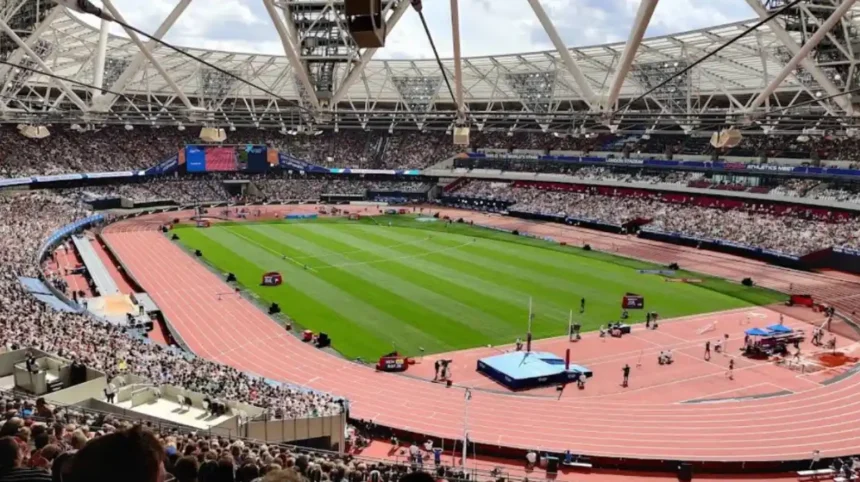
West Ham United (East London Times) October 21, 2026 – West Ham United Football Club have recorded an unprecedented attendance milestone in the history of English league football, maintaining an average home crowd of 60,882 spectators at the London Stadium despite competing in the Football League Championship. As reported by sports journalist Martyn Ziegler of The Times, statistical data confirms that the East London club currently outpulls their closest divisional rival, Wolverhampton Wanderers, by an average of 30,647 attendees per fixture, with Molineux attracting an average of 30,235 supporters.
- Key Points
- How Does West Ham’s Championship Attendance Compare to Historical Records?
- What Factors Have Driven the Scale of the Attendance Figures at the London Stadium?
- Background to the Development
- Prediction: How Will This Attendance Record Impact Second-Tier Football and West Ham’s Commercial Future?
How Does West Ham’s Championship Attendance Compare to Historical Records?
Prior to this statistical confirmation, no club in the history of English league football had ever maintained an average matchday attendance that surpassed every other team in its respective division by 20,000 spectators or more. By establishing a gap of over 30,000 supporters between themselves and the second-highest attended club in the second tier, West Ham United have surpassed the previous benchmark by more than 10,000 attendees.
As noted by The Times reporting staff, the figures underline a sustained audience retention rate following the club’s departure from Boleyn Ground, colloquially known as Upton Park. The historic venue possessed a maximum capacity of 35,000, whereas the relocate to the venue originally constructed for the London 2012 Olympic Games expanded available seating capacity to accommodate upwards of 60,000 spectators for domestic fixtures.
What Factors Have Driven the Scale of the Attendance Figures at the London Stadium?
The figures highlight a structural transition in the club’s commercial and matchday operations over recent years. As documented by football business analyst Paul Joyce of The Times, the movement of the fanbase into the Stratford-based stadium provided an expanded stadium capacity that allowed West Ham United to meet high ticket demand that could not be accommodated at Upton Park.
Despite the sporting setback of relegation from the Premier League to the Championship, ticket utilization rates have remained stable. As stated by football finance expert Kieran Maguire in analysis for The Times, the club’s ability to maintain high average attendances during a secondary-tier campaign reflects both pricing strategies for season tickets and the demographic catchment area of East London and Essex.
Background to the Development
West Ham United departed the Boleyn Ground at the conclusion of the 2015–16 football season, concluding a 112-year tenure at the Green Street site in Upton Park. The move to the London Stadium in 2016 was framed around expanding the club’s long-term commercial revenue, increasing accessibility for supporters, and securing a position among Europe’s highest-attended football clubs.
During the initial years following the stadium move, the venue’s suitability for football was a topic of continuous discussion among supporter groups and media commentators due to the distance between the seating bowls and the pitch, as well as the sightlines inherited from its primary design as an athletics stadium. However, incremental modifications to the lower seating tiers and continuous ticket distribution strategies enabled West Ham United to consistently fill the majority of the venue’s allocated seating capacity for domestic and European matches. The latest statistical figures indicate that the audience scale has persisted regardless of divisional status.
Prediction: How Will This Attendance Record Impact Second-Tier Football and West Ham’s Commercial Future?
The establishment of this attendance record is anticipated to affect both West Ham United’s operational framework and the broader financial dynamics of the Championship in several distinct ways:
- Commercial and Matchday Revenue Disparity: Operating with a stadium capacity and turnout exceeding 60,000 spectators provides West Ham United with a substantial matchday revenue advantage over Championship competitors. This financial differential is likely to enhance the club’s compliance with Profitability and Sustainability Rules (PSR), allowing for higher wage ceilings and transfer budget flexibility relative to divisional opponents.
- Broadcasting and Marketing Appeal: The presence of a 60,000-plus crowd in the second tier offers EFL broadcasting partners visual and atmospheric metrics typically associated with top-tier fixtures. This factor may influence televised match selections, granting the club increased international exposure and commercial leverage with sponsors during their tenure in the division.
- Implications for Opposing Championship Clubs: Opposing teams visiting the London Stadium will play in an environment significantly larger than standard second-tier venues. Furthermore, high away-ticket allocations at the venue provide traveling supporter bases with larger ticket distributions than traditionally available, generating increased gate receipts and travel interest across the league.