Newham London stands as one of London’s most vibrant and diverse boroughs, blending industrial heritage with modern innovation. Located in East London, it spans 13.7 square miles along the River Thames, home to over 350,000 residents from more than 100 nationalities.
- Newham’s Fascinating History
- Geography and Key Landmarks
- Thriving Economy and Opportunities
- Cultural Diversity and Community Life
- Transport Links and Getting Around
- Education and Family Living
- Green Spaces and Outdoor Activities
- Food Scene and Culinary Delights
- Regeneration Projects and Future Outlook
- Living in Newham: Why Choose It?
Newham’s Fascinating History
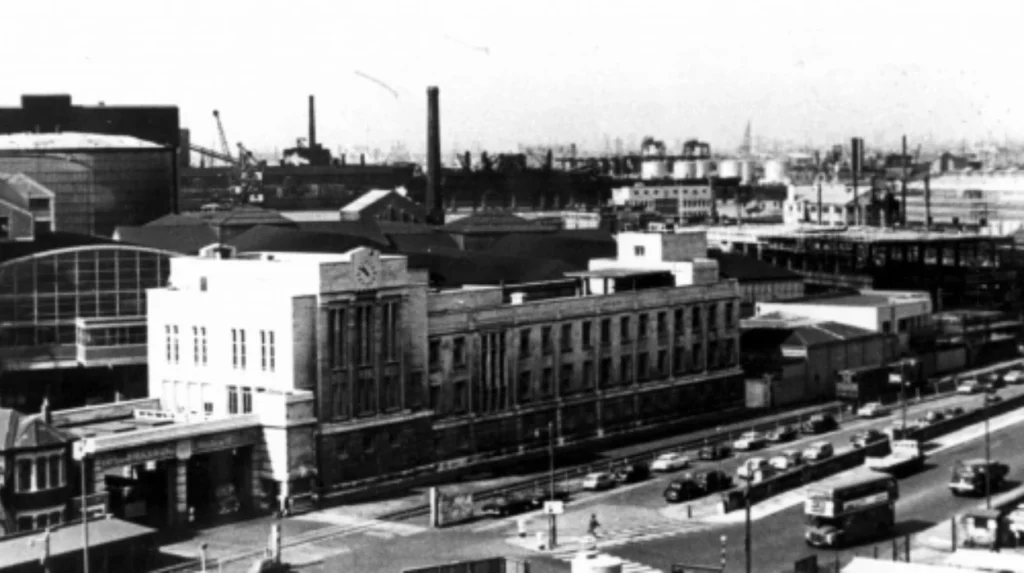
Newham’s roots trace back to medieval times when it formed part of Essex, with villages like West Ham and East Ham developing around farming and fishing. The 19th century brought rapid industrialization, fueled by the Thames and Royal Docks, turning it into a powerhouse for shipbuilding and manufacturing that supported the British Empire. Post-World War II bombing devastated the area, but regeneration from the 1980s, including the 2012 Olympics in Stratford, revitalized it into a symbol of resilience, with West Ham United Football Club embodying its sporting legacy since 1895.
Immigration waves from the Caribbean, South Asia, and Africa post-1948 shaped its multicultural identity, while landmarks like the Thames Barrier, opened in 1982, highlight engineering feats that remain vital today. This historical evolution positions Newham as a borough where past industries fuel present-day progress, appealing to history enthusiasts from North London seeking authentic East London stories.
Geography and Key Landmarks
Nestled between the Thames to the north and the Green Belt to the south, Newham features a mix of urban density and green spaces like the 800-acre Thameside nature reserves. Stratford serves as its commercial core, buzzing with Westfield Stratford City, Europe’s largest urban shopping centre, while the Royal Docks offer waterfront views and Beckton hosts the DLR’s eastern terminus. Iconic landmarks such as ExCeL London, a world-class exhibition centre hosting over 1,000 events yearly, draw global crowds for trade shows and comic cons.
The Thames Barrier, a 520-meter structure with rising gates up to 20 meters, safeguards 125 million Londoners from tidal surges, and the Queen Elizabeth Olympic Park preserves the 2012 Games legacy with gardens, sports venues, and the ArcelorMittal Orbit slide-tower. These sites make Newham a prime day-trip destination for North Londoners via quick Tube links, blending geography with must-see attractions.
Thriving Economy and Opportunities
Newham’s economy has evolved from docks to a £10 billion powerhouse, driven by logistics, tech, and creative industries, with unemployment around 7%, below London’s average. Hubs like Here East foster startups in digital health and fintech, attracting £1.5 billion in investments annually, boosted by Crossrail’s Elizabeth Line enhancing connectivity. Logistics thrives at London City Airport and Royal Docks, handling 5 million passengers yearly, while film and TV production flourishes at Three Mills Island, Europe’s oldest tidal mill.
Retail and hospitality via Westfield employ thousands locally, creating job opportunities that rival North London’s markets but at lower entry barriers. This economic vibrancy underscores Newham’s role as an East London growth engine, ideal for professionals commuting from neighboring boroughs.
Cultural Diversity and Community Life
Newham boasts the highest proportion of non-UK born residents in England at 45%, creating a tapestry of festivals like Diwali in Plashet Park and Notting Hill-style carnivals. Community centres in Upton Park and Green Street promote integration through arts and sports, with over 200 mosques, temples, and churches reflecting faith diversity. The annual Newham Mela draws 50,000 for music and global cuisines, while street art trails in Stratford and Canning Town celebrate urban creativity.
Markets like Newham Market offer halal meats, spices, and fresh produce daily, fostering a sense of belonging that resonates with multicultural North London communities. This cultural richness provides endless events and experiences for visitors crossing from Islington or Haringey.
Transport Links and Getting Around
Newham’s transport network rivals central London, with the Elizabeth Line slashing Stratford to Paddington times to 20 minutes, complemented by Jubilee Line, DLR, and Overground . Cycleway 3 links to the City, and London City Airport offers quick European flights, while the Emirates Air Line cable car provides scenic Thames views . DLR’s driverless trains run from Canning Town to Woolwich Arsenal, supported by an extensive bus network including night routes to North London .
These links make Newham accessible for day trips or commutes, connecting seamlessly with North London’s Victoria Line and Overground . Efficient mobility ensures exploring its attractions without hassle.
Education and Family Living
Newham invests heavily in education, with 90% of schools rated good or outstanding by Ofsted, including top performers like Brampton Manor Academy sending more students to Oxbridge than many selective schools . Universities like University College London have nearby campuses, plus Newham College for vocational training, alongside 50+ parks like East Ham Nature Reserve for family outings . Average rents hover at £1,500 for two-beds, with health services via Barts Health NHS Trust at Newham Hospital .
These family perks, from diverse schools to green spaces, appeal to North London parents seeking affordable alternatives with strong academics . Newham balances education and lifestyle for growing families.
Green Spaces and Outdoor Activities
Despite its urbanity, Newham offers 20% green coverage, from the Olympic Park’s 560 acres to Manor Park’s grasslands, with the Thames Path providing 40 miles of walks for birdwatching herons and seals . Community allotments in Custom House encourage sustainable gardening, while Lea River Park spans 4.5 miles for cycling and picnics . Towne Park features regenerated playgrounds and cafes, and floating gardens on the Thames offer eco-education .
These spaces provide respite and activities rivaling North London’s parks, perfect for outdoor enthusiasts via short DLR rides . Nature thrives amid the borough’s buzz.
Food Scene and Culinary Delights
Newham’s food scene reflects its diversity, with Green Street dubbed “Curry Mile East,” boasting over 1,000 eateries from Bangladeshi biryanis to Afro-Caribbean jerk chicken . Vegan spots cater to a 10% vegetarian population, including Jerk Shack in Stratford for authentic Jamaican flavors and Plaistow’s pie shops . International markets serve Iranian sweets and Turkish mezes, blending cuisines daily .
This culinary hub rivals North London’s food markets, offering bold flavors for foodies venturing east . Dining here is an adventure in global tastes.
Regeneration Projects and Future Outlook
Newham leads London’s regeneration with £3.7 billion invested in Silvertown and Thameside since 2012, including the Custom House Quays masterplan for 6,000 homes and offices by 2030 . Sustainability drives net-zero goals via solar farms and electric transport, with Royal Docks planning a Silicon Valley-style campus and airport expansion for green aviation . A cultural quarter around Thames Barrier Park enhances appeal .
These projects promise growth, attracting investors from North London eyeing East End opportunities . The future shines bright.

Living in Newham: Why Choose It?
For North Londoners, Newham offers affordability with median property prices at £450,000—30% below averages—plus strong community ties and 25-minute commutes to Canary Wharf . Crime rates have dropped 15% in five years, with diverse schools and year-round festivals fostering belonging . Proximity to central London without premiums makes it ideal .
Newham endures as an evergreen gem where history meets tomorrow, delivering endless discovery for East and North London alike . Plan your visit today.