East London traditionally refers to the area east of the ancient City of London and north of the Thames, taking in boroughs such as Tower Hamlets, Newham, Hackney and Waltham Forest. Historically one of the city’s poorest districts, it grew around docks, markets and heavy industry, and became home to successive waves of migrant communities who shaped the local food culture.
- From pie and mash to plant-based plates
- Why vegan and vegetarian thrive here
- Key neighbourhoods for plant-based eating
- Traditional cuisines with natural plant-based roots
- Markets and street food as vegan incubators
- Sustainability and local sourcing
- Community, culture and identity
- Practical tips for vegan and vegetarian diners
Today East London is known for its dense mix of communities, with strong Bangladeshi, Pakistani, Indian, Turkish, Afro-Caribbean, Jewish, West African and Eastern European presences, each bringing distinct food traditions to streets like Brick Lane, Green Street, Ridley Road and Roman Road. This diversity is the backbone of the area’s modern vegan and vegetarian dining scene, because many of these cuisines have long plant-based traditions that adapt naturally to contemporary tastes.
From pie and mash to plant-based plates
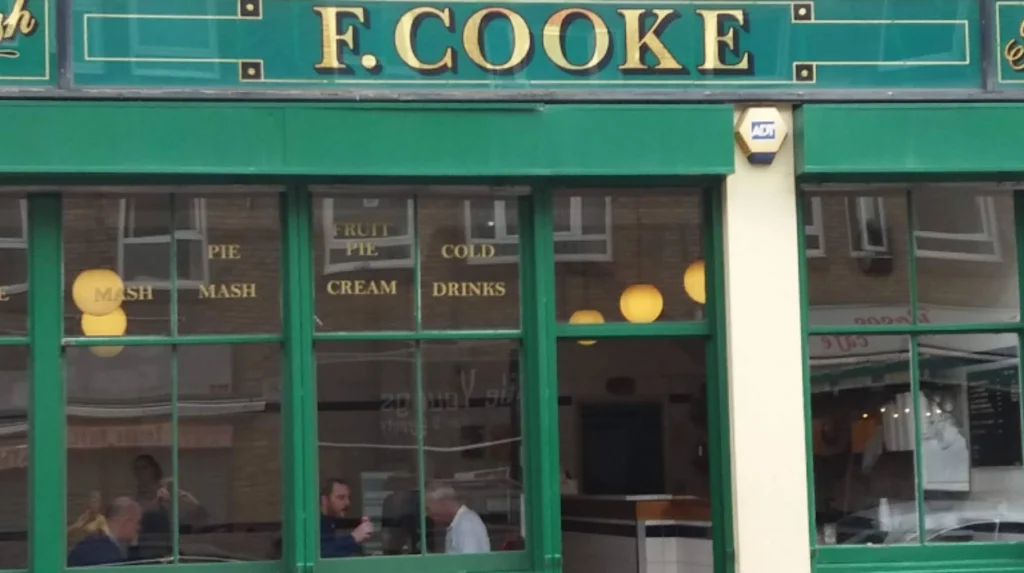
For generations, the classic taste of the East End was pie, mash and jellied eels, served in tiled cafés where menus barely changed from the Victorian era. Shops like G Kelly on Roman Road still serve meat pies, parsley liquor and jellied eels in much the same way they did in the 1930s, linking today’s diners with a working-class food culture built around cheap, filling dishes.
However, the East End’s association with eel and offal-based dishes has slowly given way to a broader, more global offer as housing, demographics and tastes have shifted. The very streets where market traders once sold live eels and tripe are now lined with spots offering dal, falafel, injera, veggie sushi and plant-based burgers, reflecting how immigrant communities and younger diners have steered the local palate towards lighter, more varied and often meat-free food.
Why vegan and vegetarian thrive here
Several factors make East London a natural home for vegan and vegetarian dining. Many migrant cuisines that took root locally – especially South Asian and Middle Eastern – have deep vegetarian or legume-focused traditions, so meat-free dishes were present on menus long before “vegan” became a marketing term. At the same time, rising awareness of health, climate change and animal welfare among younger East Londoners has created steady demand for plant-based options, which local restaurateurs have responded to with creativity rather than tokenism.
The area’s comparatively lower commercial rents (at least historically) also encouraged small independents, supper clubs and community kitchens to experiment with vegan menus without West End overheads. Add in the presence of art schools, tech offices and creative industries around Shoreditch, Hackney Wick and Stratford, and you get a customer base actively looking for seasonal, sustainable and innovative meat-free food.
Key neighbourhoods for plant-based eating
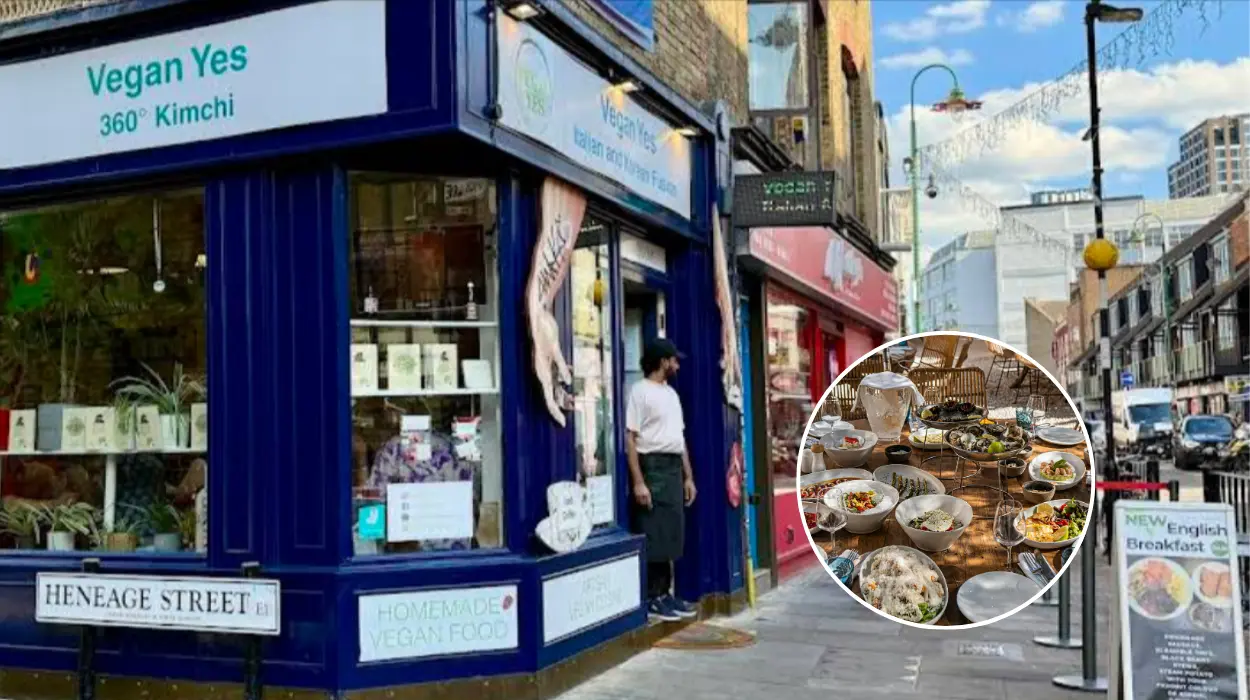
Several East London districts now form an informal map for vegan and vegetarian exploration. Around Shoreditch and Hoxton, converted warehouses and side streets host cafés and bistros that specialise in organic, locally sourced plant-based menus, often with all-day brunch and inventive small plates. Brick Lane and Spitalfields, long known for South Asian curry houses and Jewish bakeries, now mix traditional vegetarian thalis, vegan-friendly bagels and contemporary fusion spots catering to both tourists and local workers.
Further east, Hackney and Dalston blend long-standing Turkish, Kurdish and Afro-Caribbean eateries with new vegan bakeries and ramen bars, so it is easy to build a whole day of meat-free eating around Ridley Road Market and surrounding streets. Newham and Waltham Forest, meanwhile, offer excellent value and authenticity, with Green Street, Upton Park and Walthamstow serving Gujarati, Punjabi, Bangladeshi and Somali dishes where vegetarian options are often central rather than an afterthought.
Traditional cuisines with natural plant-based roots
One of East London’s strengths is that many local “traditional” dishes are already vegetarian or easily adapted. South Asian food in the area, particularly from Bangladeshi and Indian communities, offers a wide range of lentil dals, chana masala, stuffed paratha, vegetable biryanis and paneer-based dishes, which are either naturally vegetarian or simple to veganise by omitting ghee and yoghurt. Bengali snacks such as shingaras (a type of samosa) and mishti (sweets) can often be found in vegetarian versions at local bakeries and sweet shops.
Middle Eastern and Turkish eateries around Dalston, Green Lanes’ eastern reaches and Whitechapel often feature mezze spreads where falafel, hummus, baba ghanoush, stuffed vine leaves and salads already form a plant-forward feast. Ethiopian and Eritrean restaurants scattered through Hackney and surrounding areas serve injera platters topped with lentils, chickpeas and vegetables, offering hearty vegan meals that feel both traditional and contemporary.
Markets and street food as vegan incubators
Street markets have always been central to East London life, and today they are crucial platforms for vegan and vegetarian innovation. Roman Road Market in Bow encapsulates this shift: pie-and-mash cafés sit alongside stalls selling biryani, dal puri and other dishes that highlight the area’s evolving food culture. The co-existence of traditional eel, mash and newer plant-based food here tells a story of adaptation rather than replacement.
Similarly, markets like Broadway Market, Spitalfields and Brick Lane’s Sunday Upmarket are hotspots for plant-based street food, from vegan tacos and bao to gluten-free desserts, catering to residents and weekend visitors alike. These markets make it easy for small traders to test plant-based concepts quickly, turning successful stalls into permanent sites that further enrich the local vegan and vegetarian offering.
Sustainability and local sourcing
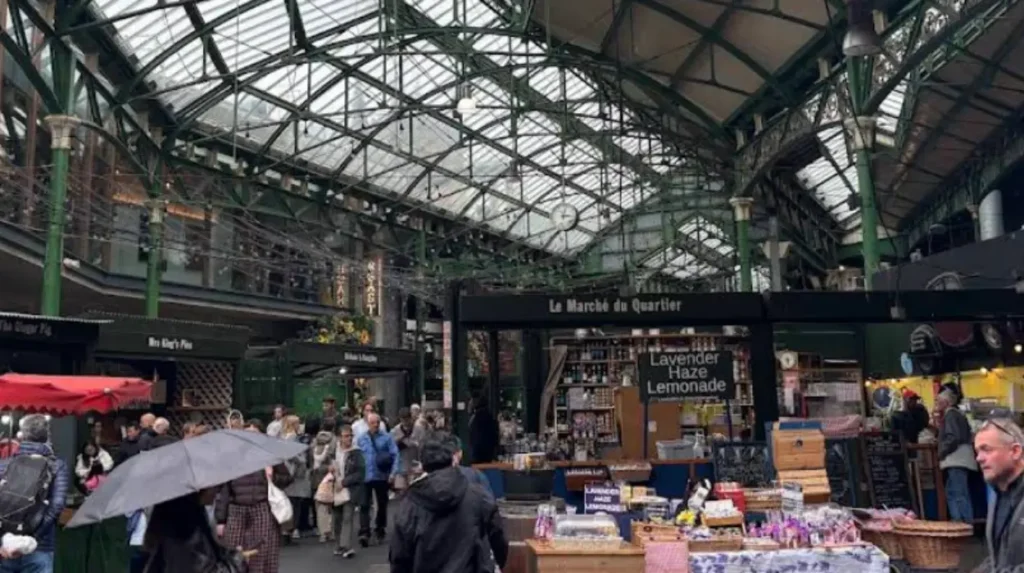
Environmental awareness plays a growing role in how East Londoners choose where and what to eat. Many independent cafés and restaurants highlight seasonal produce from UK farms, often sourced through London’s network of wholesale and farmers’ markets that have evolved from the historic trading hubs serving the city. This focus on short supply chains aligns neatly with plant-based menus, because legumes, grains and vegetables generally have lower environmental footprints than meat and dairy.
Sustainability also appears in small but significant details: refill schemes for plant milks, compostable packaging for takeaway street food, and menu notes on food waste reduction and surplus donation to local charities. As councils in East London promote greener urban living through policies on air quality, waste and green space, plant-based eateries can position themselves as everyday partners in local climate action rather than niche lifestyle choices.
Community, culture and identity
Food in East London has always reflected community identity, and vegan and vegetarian dining fits naturally into that story. Community centres, faith groups and local charities frequently host low-cost vegetarian community meals, especially during festivals or outreach programmes, drawing on long-standing traditions of hospitality in South Asian, Caribbean and other diasporic cultures. These events often act as gateways for residents to try plant-based dishes in familiar, socially rooted settings.
Many newer vegan cafés and bakeries also double as informal cultural hubs, hosting poetry nights, film screenings and local makers’ markets that help connect long-term residents with newer arrivals. This sense of shared space matters in areas experiencing rapid change, because it allows conversations about gentrification, food access and affordability to sit alongside the enjoyment of a good coffee and a plant-based slice of cake.
Practical tips for vegan and vegetarian diners
For anyone exploring East London with a vegan or vegetarian focus, a little planning helps maximise the experience. Looking up local markets and high streets – such as Roman Road, Brick Lane, Ridley Road, Green Street and Walthamstow High Street – provides ready-made walking routes dotted with plant-based options, from budget canteens to destination restaurants. Paying attention to lunch specials and thali deals at South Asian and Middle Eastern spots can keep costs low while offering generous portions and variety.
It is also worth remembering that many traditional cafés and pubs are increasingly adding at least one plant-based main to their menus, especially in mixed residential and office districts. Asking for swaps – plant milk instead of dairy, or an extra vegetable side instead of meat – is often welcomed, particularly in family-run places that value regular local custom and are used to accommodating dietary preferences.