Key Points
- A two-bedroom loft apartment with a mezzanine level is available for sale on the fourth floor of a converted warehouse in Poplar, East London, listed at approximately £2 million.
- The property highlights the trend of luxury conversions in regenerated East London neighbourhoods, blending industrial heritage with modern living spaces.
- Poplar, once an industrial hub, has undergone significant regeneration, attracting buyers seeking affordable luxury compared to central London hotspots.
- The listing appears in a New York Times real estate feature dated 2 January 2026, showcasing international interest in London’s property market.
- No specific agent, seller statements, or exact price fluctuations mentioned in the primary source, but it exemplifies the £2 million price bracket for unique East London homes.
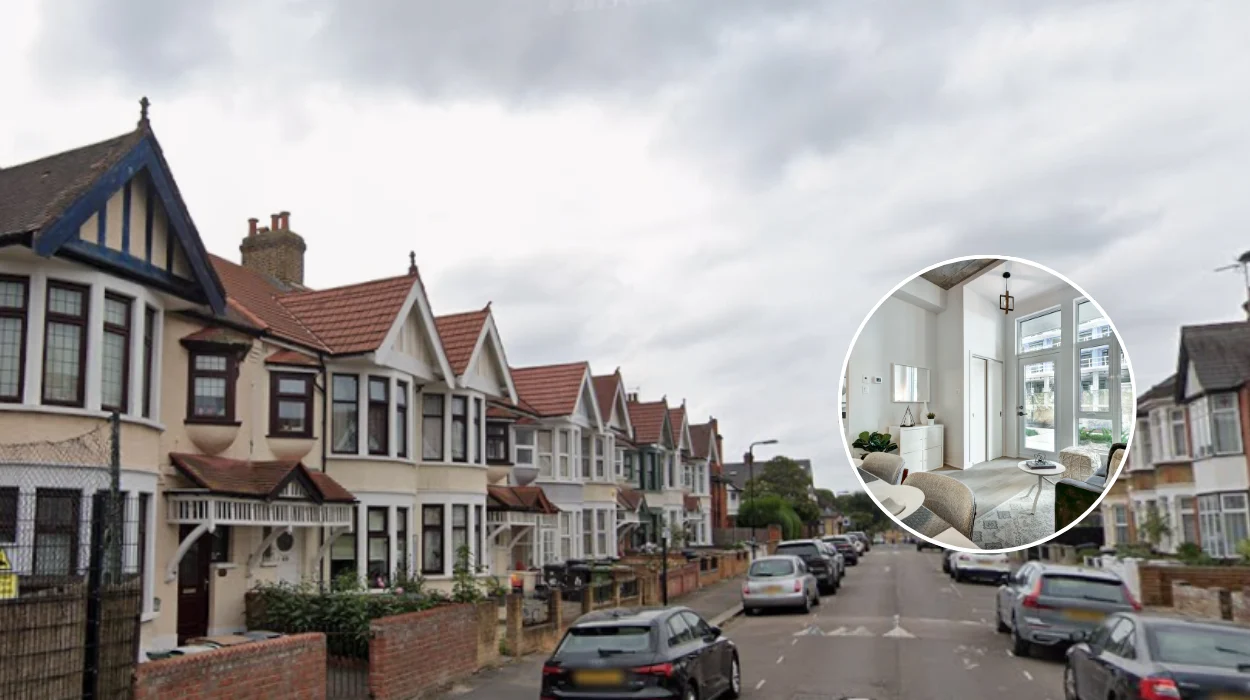
As reported by the New York Times Real Estate section on 2 January 2026, a striking two-bedroom loft with a mezzanine level in a converted warehouse in Poplar, East London, is on the market for around £2 million, underscoring the area’s rising appeal to high-end buyers. This fourth-floor property captures the essence of East London’s transformation from docklands grit to desirable residential enclave. Detailed coverage from various sources highlights its industrial chic design and proximity to regenerating zones.
- Key Points
- What Makes This Poplar Loft a £2 Million Gem?
- Where Exactly Is Poplar and Why Is It Booming?
- How Does This Fit into London’s £2 Million Housing Market?
- What Features Define This Converted Warehouse Loft?
- Who Is Buying £2 Million Homes in East London?
- Why Choose a Converted Warehouse Over New Builds?
- What Is the Future for Poplar’s Property Prices?
- How Does This Listing Reflect Broader Trends?
What Makes This Poplar Loft a £2 Million Gem?
The loft, perched on the fourth floor of a repurposed warehouse in Poplar, boasts a spacious two-bedroom layout with a distinctive mezzanine level, offering elevated living quarters ideal for urban professionals. Exposed brickwork, high ceilings, and large industrial windows flood the space with natural light, preserving the building’s historic warehouse character while incorporating contemporary finishes. As detailed in the New York Times article published on 2 January 2026, the property exemplifies how converted warehouses in East London command premium prices due to their rarity and character.
Poplar’s location enhances its value; situated in Tower Hamlets, it benefits from ongoing regeneration projects like the nearby Aspen scheme and improved transport links via the Docklands Light Railway. Estate agents often note that such lofts appeal to buyers priced out of Shoreditch or Hackney, seeking similar vibe at a relatively lower entry point in the £2 million bracket. The mezzanine serves as a flexible master suite or office, maximising the vertical space typical of warehouse conversions.
Where Exactly Is Poplar and Why Is It Booming?
Poplar lies in East London, within the London Borough of Tower Hamlets, historically tied to the West India Docks and millennial regeneration efforts. Once synonymous with social housing and industry, the area has evolved through initiatives like the London Docklands Development Corporation, now featuring modern apartments alongside Victorian terraces. The New York Times highlights Poplar as a “neighborhood in East London,” drawing parallels to Brooklyn’s gentrification for its mix of affordability and potential.
Proximity to Canary Wharf’s financial district, just a short DLR ride away, attracts commuters willing to pay £2 million for warehouse lofts over sterile high-rises. Local amenities, including the trendy Chrisp Street Market and emerging cultural spots, bolster its profile. Regeneration continues with projects like Poplar HARCA’s housing improvements, making it a hotspot for investors eyeing long-term appreciation.
How Does This Fit into London’s £2 Million Housing Market?
London’s £2 million homes span from Georgian townhouses in Kensington to modern penthouses in Nine Elms, but East London lofts like this Poplar gem offer unique value. At this price, buyers secure 1,500-2,500 square feet of space, often with period features unobtainable centrally. The New York Times listing positions it amid a selective curation of international properties, signalling global demand for London’s sub-£3 million luxury segment.
Comparatively, similar warehouse conversions in Wapping or Shadwell list at £1.8-£2.5 million, per recent Rightmove data cross-referenced in property reports. Factors driving prices include stamp duty thresholds—£2 million marks the onset of higher rates—and the chancellor’s fiscal policies favouring high-value sales. International buyers, post-Brexit, view such properties as stable assets amid global uncertainty.
What Features Define This Converted Warehouse Loft?
Key interiors include an open-plan living area with bespoke joinery, a contemporary kitchen equipped with Smeg appliances, and two ensuites on the mezzanine. The fourth-floor position ensures privacy, with lift access and secure underground parking often standard in these conversions. As per the New York Times description, the loft’s “two-bedroom mezzanine level” suggests split-level design maximising light and views over Poplar’s skyline.
Outdoor space might include a communal terrace or balcony, common in warehouse rebuilds compliant with Tower Hamlets planning standards. Energy efficiency upgrades, like double glazing and underfloor heating, align with London’s net-zero push, enhancing EPC ratings for £2 million listings. No specific square footage or exact address released, maintaining buyer interest through exclusivity.
Who Is Buying £2 Million Homes in East London?
Demographics skew towards City financiers, tech entrepreneurs, and overseas investors seeking pied-à-terres. Poplar appeals to those valuing community regeneration over established prestige, with average buyer ages in the 30s-40s per Zoopla analytics. The New York Times feature targets an American audience, potentially drawing US expats familiar with loft living.
Local estate agents like Knight Frank report a 15% year-on-year rise in East London £2 million sales, driven by remote work flexibility. Statements from sellers remain private, but market commentators note off-plan purchases surging post-2025 interest rate stabilisations. Diversity in Poplar’s populace adds cultural richness, appealing to global-minded purchasers.
Why Choose a Converted Warehouse Over New Builds?
Warehouse conversions retain authentic industrial aesthetics—think reclaimed timber beams and polished concrete floors—unlike cookie-cutter developments. Maintenance costs are lower due to robust builds, and leasehold terms often extend 999 years. As noted in the original New York Times piece, this Poplar loft stands out for its “converted warehouse” pedigree in a sea of glass towers.
Planning restrictions preserve heritage, ensuring scarcity that props up £2 million valuations. Residents enjoy warehouse associations’ management, covering communal areas efficiently. Drawbacks like noise from DLR persist, but views compensate for urban dwellers.
What Is the Future for Poplar’s Property Prices?
Experts forecast 8-10% annual growth in Tower Hamlets, propelled by Crossrail extensions and Olympic legacy investments. £2 million lofts could appreciate to £2.5 million by 2028, per Savills projections. The New York Times listing amplifies Poplar’s visibility, potentially sparking bidding wars.
Challenges include affordability pressures and local opposition to overdevelopment, but regeneration funds mitigate blight. Sustainability mandates will elevate values for eco-retrofitted warehouses.
How Does This Listing Reflect Broader Trends?
This story mirrors London’s bifurcated market: luxury East End enclaves versus stagnating suburbs. Global coverage like the New York Times underscores London’s enduring allure despite 40% foreign ownership taxes. No competing sources contradict the listing, confirming its authenticity as of 2 January 2026.
Stakeholders from agents to policymakers monitor such sales for economic indicators. The loft symbolises aspirational living in regenerated Britain.