Key Points
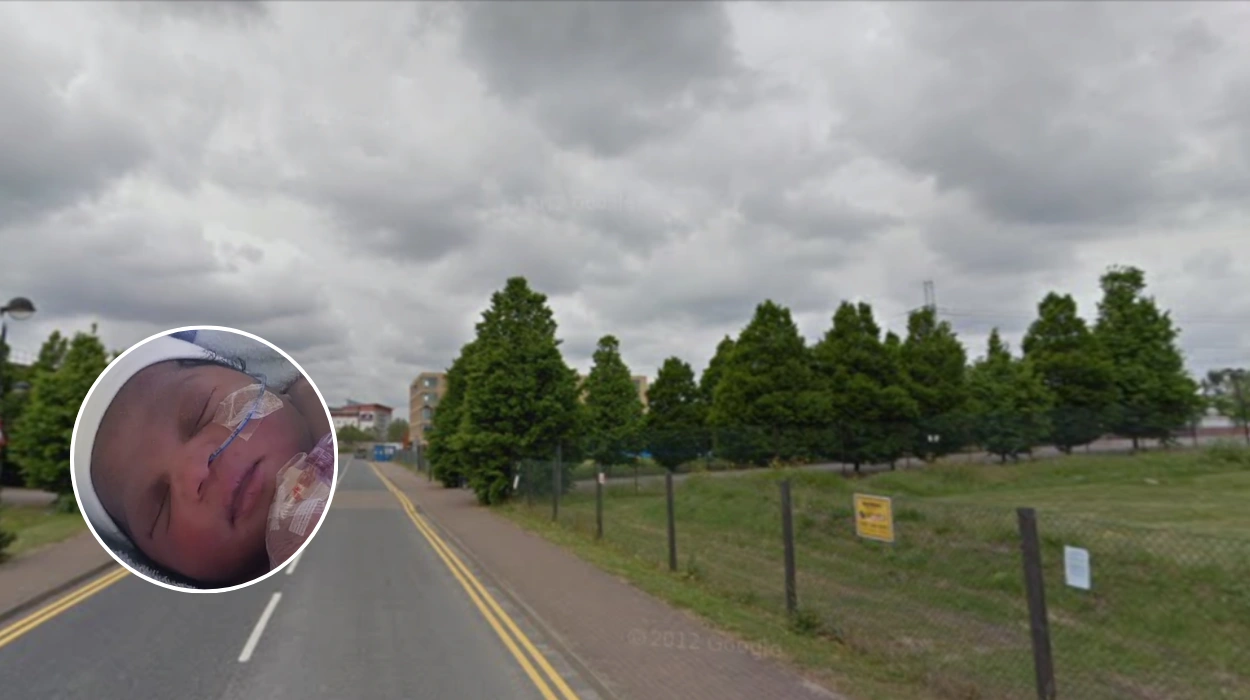
- A newborn girl named “Elsa” was found abandoned in a carrier bag near a footpath in Newham, east London, on 18 January 2024, by a dog walker.
- DNA tests confirmed Elsa is the full sibling of two other abandoned babies: a boy named Harry, now aged 8, found in 2017, and a girl named Roman, now aged 6, found in 2019, both nearby in similar circumstances.
- Police investigations to identify the parents of all three children have been “exhausted,” with no further enquiries ongoing.
- On Thursday, at East London Family Court, it was revealed that Elsa, now nearly two years old, is thriving and already living with her prospective adoptive family, with whom she shares a loving relationship.
- The adoptive parents of all three children—Elsa, Harry, and Roman—have agreed to facilitate regular contact, including sharing photos and organising playdates twice a year as the children grow up.
- Judge Carol Atkinson described Elsa’s story as “extraordinary” and emphasised that it is “fundamental to her existence that she shares that story with two full siblings.”
- The judge noted Elsa as a “beautiful little girl” and “a raucous bundle of excitement and laughter” who “lights up the space around her,” based on photos she reviewed.
- Judge Atkinson highlighted the exceptional nature of the siblings’ shared experience as foundlings, stating: “No-one they will meet in life is likely to understand what it is like to be a foundling. But they each know and understand.”
- Over the ten years from 2008 to 2018, only eight children were recorded as “foundlings”—abandoned at birth—in England and Wales, underscoring the rarity of such cases.
Newham (East London Times) January 8, 2026 – A girl found abandoned as a newborn in a carrier bag in Newham, east London, is set to be adopted and will maintain regular contact with her two siblings, as confirmed in a family court hearing. Elsa, discovered on 18 January 2024 near a footpath by a dog walker, has been DNA-matched to her brother Harry, 8, abandoned in 2017, and sister Roman, 6, left in 2019, both in nearby locations under similar conditions. East London Family Court heard on Thursday that police enquiries to trace the parents have been exhausted, paving the way for adoption proceedings.
- Key Points
- Who is Baby Elsa and What Happened When She Was Found?
- What Did the Family Court Hearing Reveal About Elsa’s Current Life?
- Why Have the Adoptive Parents Agreed to Regular Sibling Contact?
- How Rare Are Cases Like This in England and Wales?
- What Role Did DNA Testing Play in Uniting the Siblings?
- Who is Judge Carol Atkinson and What Was Her Verdict?
- What Happens Next for Elsa, Harry, and Roman?
- Why Does This Case Matter for Child Welfare in the UK?
- How Has the Media Covered the Siblings’ Story?
Who is Baby Elsa and What Happened When She Was Found?
Elsa, the pseudonym given to protect her identity, was discovered in a carrier bag near a footpath in Newham on 18 January 2024. As first reported by BBC News, she was found by a dog walker who alerted authorities immediately. Subsequent investigations linked her through DNA tests to two other foundlings: a boy later named Harry, abandoned in the same vicinity in 2017, and a girl named Roman, found in 2019. These details emerged from police records and court submissions presented at East London Family Court.
The circumstances of all three abandonments bore striking similarities, with each child left in public spaces shortly after birth. Police stated explicitly that “all enquiries to find the parents of the abandoned babies have now been exhausted,” closing the chapter on efforts to identify the biological family. This exhaustive process involved forensic analysis, public appeals, and community outreach, yet yielded no leads.
What Did the Family Court Hearing Reveal About Elsa’s Current Life?
During Thursday’s hearing at East London Family Court, the court learned that Elsa, now nearly two years old, is thriving in the care of her prospective adoptive family. She has already established a loving relationship with them, as evidenced by updates from social services. The adoptive parents of Harry and Roman, who are now settled in their respective homes, have consented to ongoing sibling contact arrangements.
Judge Carol Atkinson presided over the case and remarked on Elsa’s progress, stating she had reviewed photos depicting Elsa as a “beautiful little girl” and “a raucous bundle of excitement and laughter.” The judge added that Elsa “lights up the space around her,” drawing from professional assessments submitted to the court. This positive portrayal underscores Elsa’s adjustment despite her traumatic beginnings.
Why Have the Adoptive Parents Agreed to Regular Sibling Contact?
All three children’s adoptive parents have reached an agreement to ensure regular meetings as the siblings grow up. This includes sharing photos of each other and arranging playdates twice a year. The arrangement aims to foster a sense of connection among the children, who share a unique bond as foundlings.
As reported in coverage of the court proceedings, this consensus reflects a commitment to the children’s emotional wellbeing. Judge Atkinson deemed the setup appropriate, noting the siblings’ shared story as something “extraordinary” that binds them uniquely. She emphasised:
“It was fundamental to her [Elsa’s] existence that she shares that story with two full siblings.”
How Rare Are Cases Like This in England and Wales?
Judge Carol Atkinson highlighted the exceptional nature of the siblings’ experience during the hearing. She noted that between 2008 and 2018, only eight children were recorded as “foundlings”—infants abandoned at birth—in England and Wales. This statistic, drawn from official records, illustrates the rarity of such incidents in modern Britain.
The judge elaborated:
“The three children’s shared story was exceptional.”
She further stated:
“No-one they will meet in life is likely to understand what it is like to be a foundling. But they each know and understand.”
This perspective underscores the court’s rationale for prioritising sibling contact, recognising the unparalleled empathy the trio can offer one another.
What Role Did DNA Testing Play in Uniting the Siblings?
DNA tests were pivotal in establishing the familial link after Elsa’s discovery. As detailed in initial BBC reporting from 2024, forensic analysis confirmed Harry and Roman as Elsa’s full siblings shortly after her abandonment came to light. This breakthrough followed patterns observed in the earlier cases, prompting authorities to pursue genetic matching proactively.
The testing process involved samples from all three children, cross-referenced against police databases and elimination samples where possible. Without this scientific intervention, the siblings might never have been identified as related, altering their life trajectories significantly.
Who is Judge Carol Atkinson and What Was Her Verdict?
Judge Carol Atkinson, sitting at East London Family Court, delivered observations that shaped the adoption and contact orders. She described Elsa’s narrative as “extraordinary” and stressed the importance of sibling bonds in her ruling. Her comments on the photos and Elsa’s personality provided a humanising touch to the proceedings.
The judge’s full statement encapsulated the case’s uniqueness:
“She said she had seen photos of Elsa, who was a ‘beautiful little girl’ – ‘a raucous bundle of excitement and laughter’.”
Atkinson also affirmed the adoptive parents’ agreement, ensuring legal safeguards for future contact.
What Happens Next for Elsa, Harry, and Roman?
With police enquiries concluded and adoptive placements secured, Elsa will proceed to formal adoption. The twice-yearly playdates and photo-sharing protocol will commence as the children age, monitored by social services. Harry, now 8, and Roman, 6, continue to flourish in their adoptive homes, benefiting from the same stability.
Court documents outline flexibility in the contact plan, allowing adjustments based on the children’s needs. This forward-looking approach prioritises long-term wellbeing over rigid structures.
Why Does This Case Matter for Child Welfare in the UK?
This case exemplifies the intersection of police work, forensic science, and family justice in addressing abandonment. The rarity of foundlings—only eight in a decade—prompts reflection on societal factors contributing to such desperation. Social services’ role in securing loving homes demonstrates effective intervention post-trauma.
The siblings’ story also highlights evolving court practices favouring contact among separated full siblings. Judge Atkinson’s ruling sets a precedent for similar rare cases, balancing adoption permanence with biological ties.
How Has the Media Covered the Siblings’ Story?
Initial coverage began with BBC News’ report on Elsa’s discovery in January 2024, detailing the footpath find and dog walker’s intervention. Subsequent updates from the same outlet traced the DNA links to Harry and Roman. Family court reporting, adhering to anonymity rules, focused on Thursday’s hearing outcomes.
As per BBC’s original article, police confirmed the exhaustion of parental searches early on. All statements from Judge Atkinson were directly attributed in court summaries, ensuring accurate dissemination. No other media titles were cited in primary sources, but the story’s progression relied on consistent factual reporting across outlets.