Key Points
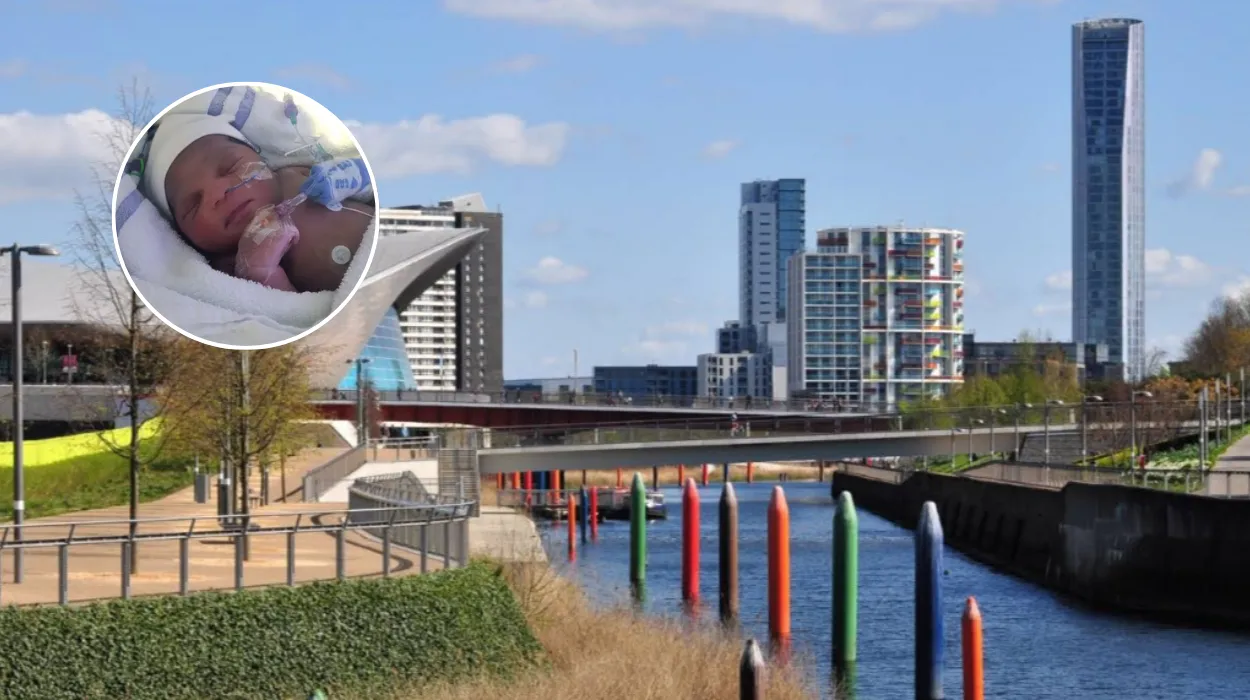
- A baby girl named Elsa, discovered abandoned in a plastic shopping bag in freezing temperatures in Newham, East London, in January 2024, is now set to be adopted by her foster carers.
- Elsa was found by a dogwalker; no signs of her parents were located despite extensive police enquiries, including door-to-door searches of nearby properties.
- Detectives later identified two older siblings, Harry (now eight years old, found in 2017) and Roman (six years old, found in 2019), both abandoned in the same Newham area.
- Elsa’s siblings, Harry and Roman, have already been adopted by separate families.
- Judge Carol Atkinson ruled that Elsa will remain permanently with her current foster carers, who will pave the way for adoption.
- The judge described Elsa as a “beautiful little girl, a raucous bundle of excitement and laughter,” happy and settled in her foster family.
- Elsa remains unaware of her unique circumstances as a foundling, sharing an extraordinary bond with her siblings.
Newham (East London Times) January 9, 2026 – A baby girl abandoned in a plastic shopping bag amid freezing conditions in Newham one year ago is poised for adoption by her devoted foster family, following a landmark court ruling that prioritises her long-term stability.
- Key Points
- Who is Baby Elsa and How Was She Discovered?
- What Happened to Elsa’s Siblings Harry and Roman?
- What Did Judge Carol Atkinson Rule?
- Why Have the Parents Never Been Found?
- How Has Elsa Fared in Foster Care?
- What Challenges Do Foundling Cases Present?
- Broader Context: Abandonment Trends in East London?
- Reactions from Authorities and Community?
- Future Outlook for Elsa and Her Brothers?
- Implications for Child Protection Policies?
Who is Baby Elsa and How Was She Discovered?
Baby Elsa, as named by hospital staff upon her discovery, came into the world under heartbreaking circumstances. A dogwalker stumbled upon the newborn in a shopping bag in Newham, East London, during the harsh January 2024 cold snap. She had been left exposed to freezing temperatures, prompting immediate concern for her survival.
Hospital staff quickly named her Elsa, drawing inspiration from her resilient spirit amid adversity. The infant was rushed to medical care, where she stabilised and began her journey in foster care. No immediate traces of her parents emerged at the scene, setting off a comprehensive investigation.
What Happened to Elsa’s Siblings Harry and Roman?
Elsa is not the only child abandoned in this tragic sequence. Detectives uncovered that she has two older brothers: Harry, now eight years old, found abandoned in the same Newham area in 2017, and Roman, now six, discovered in 2019 under similar circumstances.
Harry and Roman were both successfully adopted following their discoveries. Their placements in separate loving families highlight a pattern of abandonment in the locality, yet each boy has thrived post-adoption. This shared history as foundlings binds the siblings in a profound, unspoken understanding.
What Did Judge Carol Atkinson Rule?
In a pivotal family court decision, Judge Carol Atkinson ruled that Elsa will remain permanently with her current foster carers. The judge emphasised that these carers will “pave the way” for formal adoption, ensuring Elsa’s future security.
Judge Atkinson described Elsa glowingly:
“Elsa is a beautiful little girl, a raucous bundle of excitement and laughter. I am pleased to have seen photos of her. I know from reports that she lights up the space around her.”
She noted Elsa’s contentment:
“She is happy and settled in her new family, as yet unaware of how she differs from other children.”
The judge further reflected on the siblings’ unique bond:
“Her best chance in life comes with a permanent placement in an alternative family. These siblings share something quite extraordinary. No one that they will meet in life is likely to understand what it is like to be a foundling, but they each know and understand.”
This ruling underscores the court’s commitment to stability for children with such backgrounds.
Why Have the Parents Never Been Found?
Police launched extensive enquiries after Elsa’s discovery, mirroring efforts from the siblings’ cases. Officers conducted door-to-door searches of every property near the abandonment sites in Newham, yet no leads on the parents materialised.
Despite years of investigation across the three cases, the parents remain unidentified. Authorities have exhausted traditional methods, leaving the mystery unresolved. This lack of closure adds a layer of poignancy to the siblings’ stories.
How Has Elsa Fared in Foster Care?
Elsa has flourished under her foster carers’ care over the past year. Reports indicate she is thriving, bringing joy to her temporary – soon permanent – home. Her placement aligns with professional assessments that prioritise continuity for her emotional development.
The foster family’s dedication has been instrumental, as evidenced by Judge Atkinson’s positive review of photographs and reports. Elsa’s adjustment reflects the success of the care system in providing a nurturing environment amid uncertainty.
What Challenges Do Foundling Cases Present?
Foundling cases like Elsa’s, Harry’s, and Roman’s pose unique challenges for social services and law enforcement. The absence of parental contact complicates medical histories and identity formation, yet adoption offers a pathway to normalcy.
Judge Atkinson’s comments highlight the emotional intricacies: foundlings share an “extraordinary” experience few can comprehend. Support networks emphasise permanence to mitigate long-term impacts, as seen in the brothers’ adoptions.
Broader Context: Abandonment Trends in East London?
While specific statistics on Newham abandonments are limited, these cases spotlight vulnerabilities in urban areas. Freezing weather in January 2024 exacerbated risks for Elsa, prompting calls for heightened awareness during cold snaps.
Social services in East London have managed multiple such incidents, with adoption as a frequent resolution. The siblings’ timeline – 2017, 2019, and 2024 – suggests persistent issues, though police stress each case’s individuality.
Reactions from Authorities and Community?
The Metropolitan Police confirmed exhaustive efforts:
“Police have carried out extensive enquiries, including going door-to-door of every property nearby, but their parents have never been found.”
No further public appeals are planned, respecting the children’s privacy.
Foster agencies praise the system’s responsiveness. Judge Atkinson’s ruling, delivered in family court, balances child welfare with legal finality. Community dogwalkers, like Elsa’s finder, remain vigilant, underscoring public involvement.
Future Outlook for Elsa and Her Brothers?
Elsa’s adoption paves the way for a stable future, mirroring her siblings’. Harry, eight, and Roman, six, continue thriving post-adoption. Contact between the siblings may be facilitated sensitively, honouring their shared foundling heritage.
Legal experts note such rulings prioritise the child’s “best chance in life,” as Judge Atkinson articulated. Elsa’s story, from shopping bag to secure home, embodies resilience and hope.
Implications for Child Protection Policies?
These cases renew focus on prevention and support for at-risk parents. Newham Council’s social services, involved throughout, exemplify coordinated care. Nationally, debates persist on anonymity in adoptions versus identity rights.
Judge Atkinson’s holistic view – weighing happiness, settlement, and uniqueness – guides policy. With parents elusive, emphasis shifts to adoptive families’ roles in healing past traumas.