Hackney Carnival stands as a timeless celebration of diversity, resilience, and creativity in East London. Rooted in Caribbean traditions and enriched by global influences, this annual street spectacle has evolved into a cornerstone of Hackney’s cultural identity.
Origins and Historical Roots
Hackney Carnival traces its beginnings to the early 1970s, emerging from Caribbean communities that settled in the borough post-Windrush. The first notable event, the Street Carnival Theatre in De Beauvoir organized by Centerprise in 1973, marked the shift from earlier English-style patriotic carnivals in areas like Shoreditch to vibrant mas (masquerade) parades inspired by Caribbean heritage. Known initially as Hackney Mare de Gras—a nod to Mardi Gras traditions of pre-Lent festivities—the event drew from African cultural masquerades observed by enslaved people in the Caribbean, who created their own celebratory mockery of colonial elites.
These roots reflect deeper historical layers. Community carnivals existed in Hackney since the 1900s, but the 1970s infusion brought steel bands, calypso, and elaborate costumes symbolizing empowerment. Groups like Perpetual Beauty Carnival Association and Jamboulay, founded in the 1970s, emphasized themes of merriment and togetherness, echoing “Canboulay”—the festival tied to burning sugar canes during slavery. By the 1980s and 1990s, Hackney Youth Carnival parades ran annually from Stoke Newington Church Street to Millfields Park, fostering youth involvement until a pause around 2008 for the London 2012 Cultural Olympiad.
Evolution Through the Decades
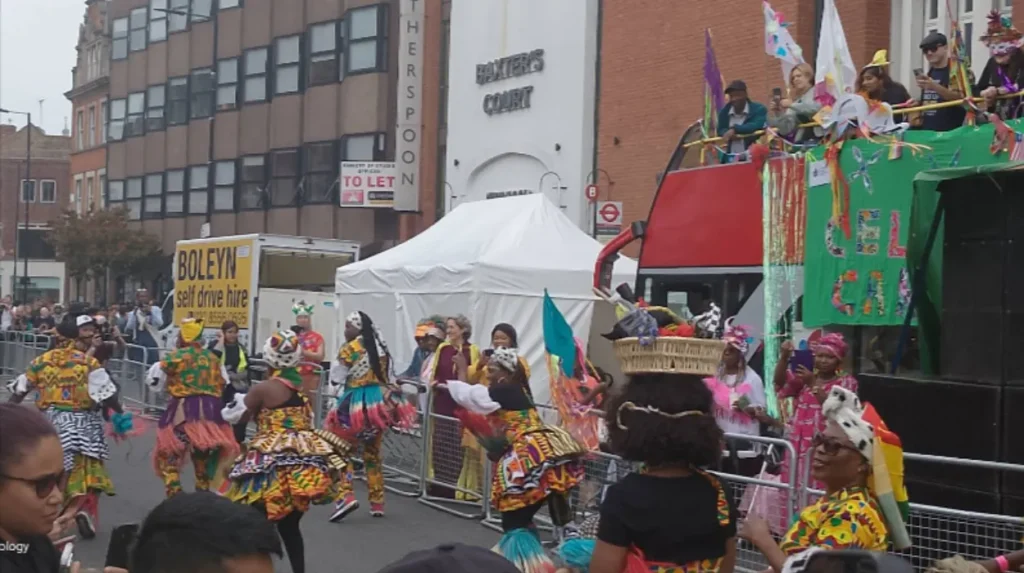
The carnival rebranded as Hackney One Carnival in 2012, uniting 15 mas bands with Hackney Council support ahead of the Olympics. This collaboration simplified to Hackney Carnival by 2017, solidifying its name amid growing popularity. Despite financial hurdles pausing full-scale parades recently, the spirit endures through workshops, showcases, and scaled events like the 2024 family-friendly parade on September 22, featuring live music, sound systems, food markets, and children’s areas.
Hackney’s carnival mirrors broader UK trends, akin to Notting Hill but distinctly local, celebrating the borough’s multicultural fabric. Challenges like funding cuts have not dimmed its legacy; instead, year-round activities persist via Love Hackney, including school workshops and theatre showcases since the 1970s. The 2024 return after five years highlighted resilience, with mas bands reclaiming streets post-pandemic disruptions.
The Heart of Mas Bands
Seventeen legacy carnival groups form the backbone of Hackney Carnival, each crafting costumes, choreography, and narratives year-round. Standouts include:
- Jamboulay Mas Band: Pioneered youth involvement with “merriment and togetherness” themes rooted in Canboulay history.
- Soca Massive: 2024 Best Band On De Road winner, blending soca music with dynamic performances.
- Pantonic Steel Orchestra: Took Best Carnival Music Acoustic in 2024, delivering authentic steel pan sounds.
- Gahu Dramatic Arts: Excelled in Best Movement/Choreography, fusing African dance traditions.
- Blema and Dimensions: Judges’ Choice and runners-up, known for innovative designs.
Other notables: Paracarnival (Best Theme Interpretation), Mi Viejo San Simon, Pan Vibration, and Tropical Isles. These bands operate as “theatre of the streets,” preparing costumes that tell stories of liberation, Windrush struggles, and Afro-Caribbean pride. Traditional mas characters, predating Trinidad Carnival, mock colonial figures while merging modern spectacles.
Cultural Significance and Community Impact
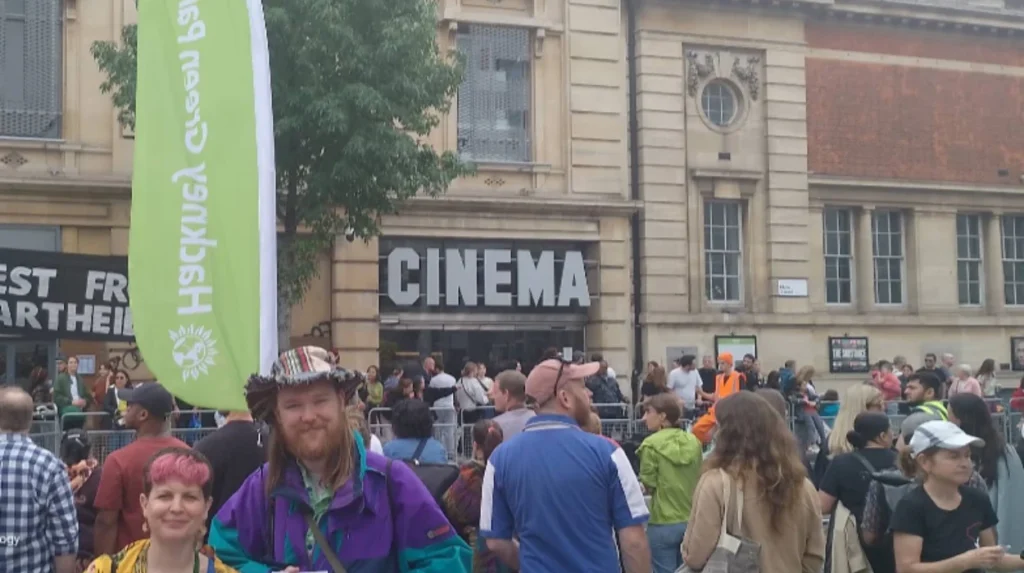
Hackney Carnival embodies resilience, transforming colonial histories into joyous empowerment. It honors Caribbean migrants who arrived via Windrush, integrating global traditions amid Hackney’s diversity—home to over 30% Black Caribbean residents. Events foster unity, with workshops building skills in textiles, dance, and music, supporting creative industries.
Socially, it counters marginalization; mas bands use amplified sound and costumes for “vital messages of liberation,” blending spirituality with spectacle. Economically, it boosts local traders via food markets and draws thousands, enhancing tourism in East London. For youth, programs like Discover Young Hackney offer free access to professionals, bridging to careers. Amid challenges, events like “Our Carnival Our Story” in December 2025 at Chats Palace keep the flame alive with headliners like Bunji Garlin.
What to Expect: Costumes, Music, and Parades
Experience explodes with vibrant costumes—feathers, sequins, and wire sculptures depicting Afrocentric characters from various islands. Steel pans from Pantonic clash with amplified soca from Soca Saga Boys, creating rhythmic immersion. Parades wind through Hackney streets, with sound systems, dance troupes, and family zones.
Awards highlight excellence: 2024 saw Soca Massive dominate, alongside acoustic triumphs and choreography feats. Food stalls offer jerk chicken, roti, and plantain, complementing the sensory feast. Evergreen appeal lies in its accessibility—free entry, all-ages vibes, and year-round prep visible in community projects.