Key Points
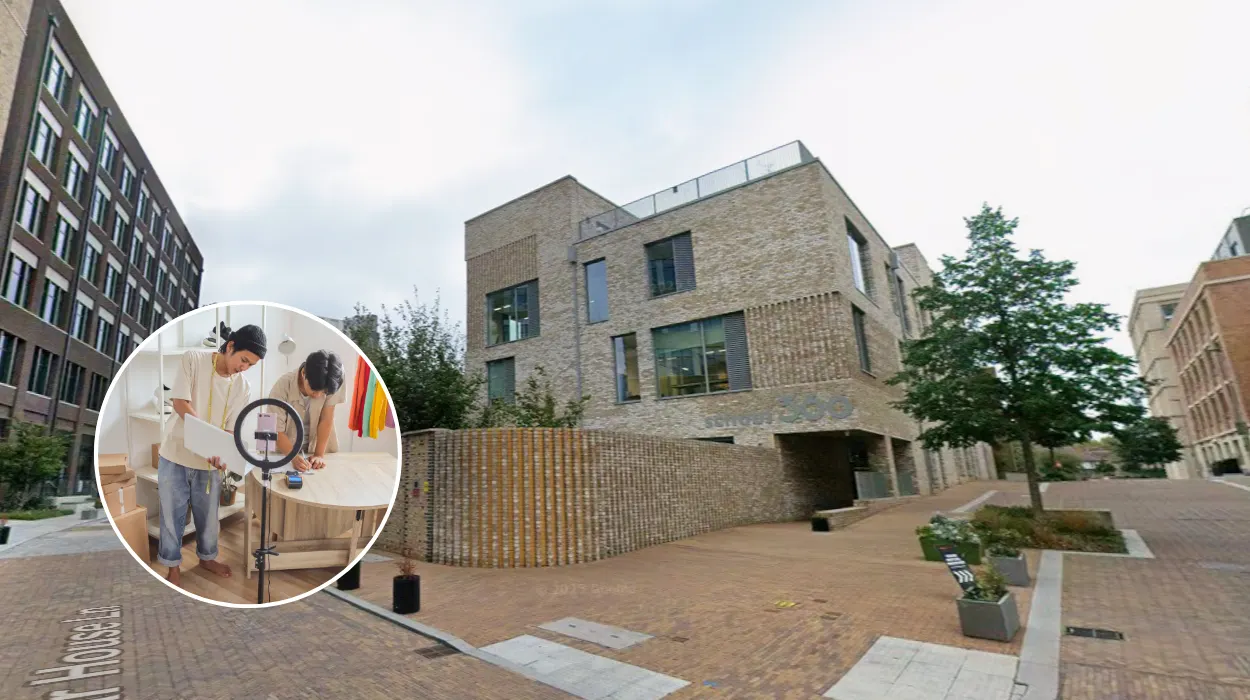
- A startup team in East London modifies lighting for a spontaneous product shoot in a bright studio, with the picture edited, labeled, and for sale minutes later.
- An archival team at a heritage house in Milan uses 1940s sketches to decide the colour scheme for the upcoming year on the same afternoon.
- Historical brands like Hermès, Chanel, and Louis Vuitton define luxury through layered, slow-burning stories built on generational trust and hand-stitched seams.
- Their value derives from the item and the longevity it symbolises, creating timeless symbols of identity.
- Fast-luxury startups thrive by listening in real time to discussions on TikTok, Discord, and subcultures, reacting before trends solidify.
- Startups connect with younger audiences as participants, not just customers, prioritising transparency, inclusion, pricing breakdowns, ethical sourcing, and manufacturing visibility.
- Established brands adapt identity without losing it; Alessandro Michele’s revival of Gucci repurposed past styles with idiosyncrasy.
- A legacy label executive stated on a recent retail innovation panel: “Our customers trust us to lead, but they also expect us to listen now”.
- Startups co-create with communities, release weekly limited runs, and test ideas in days, like street artist collaborations in under two months.
- Speed’s price for startups: constant proof without heritage equity; need transparent production, superior materials, sharp storytelling; example of fraying seam after two wears despite premium claims.
- In a Tokyo flagship store, a salesperson folded a scarf with ceremonial care, telling its narrative, emphasising luxury as pause.
- Legacy brands invest in immersive e-commerce, virtual try-ons, blockchain; startups hold live events, slow-design, archival capsules.
- Battlefield is coherence: clear narrative over everything; progressive brands converge, heritage gains agility, startups invest in endurance.
- LVMH reported $94 billion revenue in 2024, focusing on sustainability and digitisation.
- Hermès outperforms rivals in stock-to-cash (42 days quicker), payments (41 days faster), sells 80 days faster, strong in China.
- Gucci’s revival under Alessandro Michele brought it back to celebrities via brand makeover.
- Startups like Rebag (luxury resale with AI pricing), Heat (mystery boxes with AI curation), Laws of Motion (made-to-order with sizing algorithm) tackle fast fashion issues.
- Luxury brands like Dior use TikTok for trends and China market (400m users).
- Archival fashion via platforms like Grailed, Depop; startups use AI for archive co-design.
East London (East London Times) January 12, 2026 – The fashion industry witnesses a profound clash between venerable heritage brands such as Hermès, Chanel, and Louis Vuitton and nimble fast-luxury startups, as exemplified by a spontaneous product shoot in a bright East London studio where images go live for sale in minutes. Meanwhile, in Milan, an archival team pores over 1940s sketches to set the year’s colour scheme, highlighting divergent paths to defining luxury. This battle pivots on storytelling, speed, transparency, and adaptation to digital-native consumers craving participation over passive consumption.
- Key Points
- What Defines Heritage Luxury Brands?
- How Do Fast-Luxury Startups Challenge the Status Quo?
- What Revived Gucci Under Alessandro Michele?
- What Did the Legacy Executive Say?
- Why Does Speed Come at a Cost for Startups?
- How Are Heritage Brands Adapting Digitally?
- What Role Do Startups Play with Archival Materials?
- What Is the True Battlefield in This Clash?
What Defines Heritage Luxury Brands?
Heritage brands construct luxury through generational narratives and meticulous craftsmanship. As noted in the original report by the News Team of Columnist24, luxury for Hermès, Chanel, and Louis Vuitton involves “layered, slow-burning tales weaved through generational trust and hand-stitched seams”. Their worth stems from the product’s longevity and timeless identity symbols.
LVMH, encompassing Louis Vuitton, achieved $94 billion in 2024 revenue, driven by fashion, leather goods, and cosmetics, with investments in sustainability, digitisation, and Asian markets. Hermès excels financially, converting stock to cash 42 days quicker than rivals, receiving payments 41 days faster via direct sales and buy-now-pay-later options, and selling products 80 days faster, bolstered by China demand and loyalty programmes. Family heritage brands like Hermès and Chanel prioritise exclusivity and artisanal skills, fostering authenticity over rapid expansion.
In contrast to conglomerates, these houses leverage history for premium pricing, as BrandValuer’s analysis shows LVMH’s brand valued at $16 billion.
How Do Fast-Luxury Startups Challenge the Status Quo?
Fast-luxury startups excel in real-time responsiveness, drawing from TikTok, Discord, and subcultures. Per the Columnist24 piece, they “listen in real time and react to discussions before they become fads,” engaging youth as co-creators. Transparency defines them: revealing pricing, ethical sourcing, and production fosters intimacy.
Examples include Rebag, founded by Charles Gorra in 2014, using Clair AI for instant handbag pricing in resale, promoting circular economy. Heat offers AI-curated mystery boxes of designer items at discounts, addressing overstock. Laws of Motion employs a sizing algorithm with over 1 million data points for made-to-order clothing, reducing waste. Startups lack legacy burdens, enabling agile sustainability integration.
However, as the News Team observed, “speed has a price”; without heritage, they must prove superior materials and storytelling, with one personal account noting a fraying seam after two wears despite ethical claims.
What Revived Gucci Under Alessandro Michele?
Alessandro Michele’s tenure marked a pivotal reinvention for Gucci. As reported across sources, his revival repurposed archival styles with “unexpected idiosyncrasy,” boosting cultural relevance without dilution. Siopaella credits his “brand makeover” for returning Gucci to celebrities and stylish women worldwide.
A Highsnobiety podcast revealed Michele nearly left before CEO Marco Bizzarri convinced him over a three-hour talk, leading to Gucci’s relaunch. This bold shift proved reinvention’s success when authentic.
What Did the Legacy Executive Say?
“Our customers trust us to lead, but they also expect us to listen now,”
stated a legacy label executive during a recent retail innovation panel, as quoted by Columnist24’s News Team. This reflects the delicate balance of authority and responsiveness. Done right, it elevates relevance; poorly, it risks alienating purists.
Why Does Speed Come at a Cost for Startups?
Startups test ideas swiftly—weekly limited runs or street artist campaigns in under two months—but lack institutional memory. They must maintain transparency and quality, as subpar experiences like fraying seams undermine trust. Heritage provides ingrained pauses, like Tokyo flagship rituals where sales staff narrate scarf histories ceremonially.
How Are Heritage Brands Adapting Digitally?
Legacy houses invest in immersive e-commerce, virtual try-ons, and blockchain for authenticity. Dior leverages TikTok’s 400 million Chinese users for trends amid digital fashion weeks. Loewe partners with niche creators like @anthonybackup9 for cultural integration.
What Role Do Startups Play with Archival Materials?
Startups now launch capsules using archival fabrics, borrowing depth from heritage. Platforms like Grailed (“holy grail” rare pieces), Depop, and The RealReal drive archival fashion. AI aids co-design, as in Slooen’s use of algorithms merging collection images for new garments.
What Is the True Battlefield in This Clash?
Coherence trumps speed or history: clear narratives on origin, process, and meaning. Consumers seek durable, value-aligned purchases, blurring lines. Heritage gains agility; startups build endurance, fostering humane luxury.
Pre-owned platforms like The RealReal ($300m IPO), Vestiaire Collective (€40m financing), and Fashionphile thrive, with Neiman Marcus investing. Conglomerates like LVMH enable synergies, while family brands like Hermès focus on clientele depth.