Hackney Wick captivates as a vibrant neighborhood in East London, blending industrial heritage with modern artistic flair. Nestled in the London Borough of Hackney, this area offers timeless appeal for locals seeking culture, history, and community.
Geography and Location
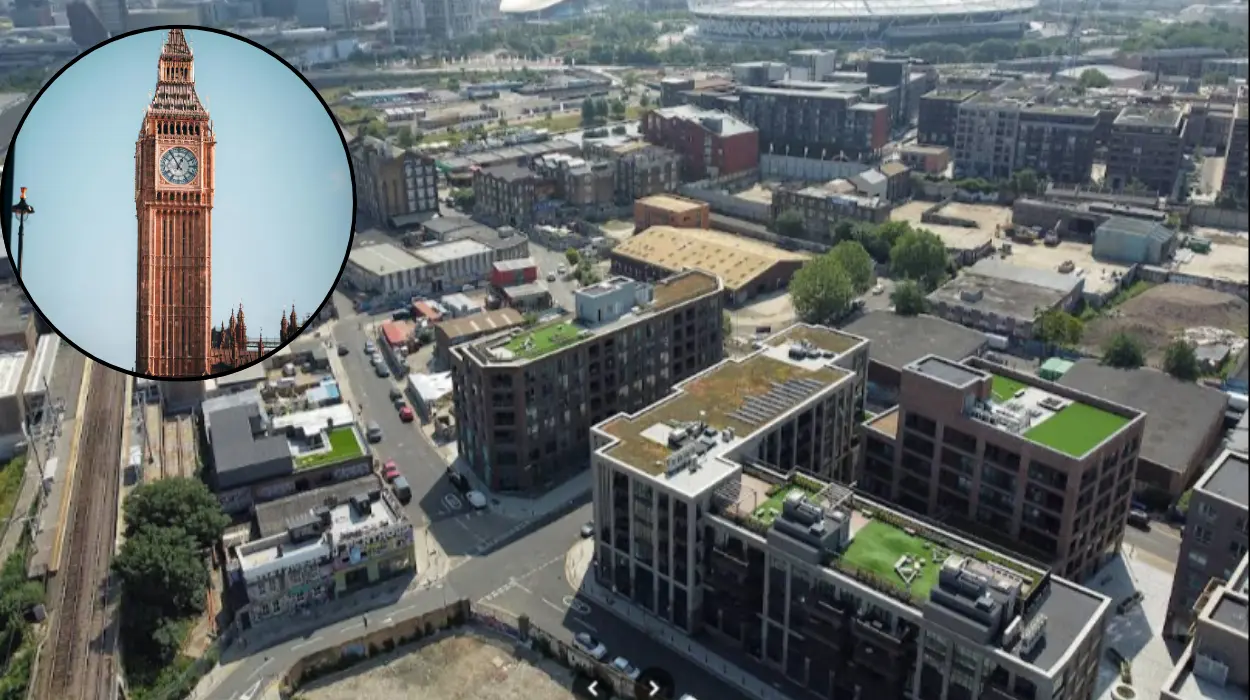
Hackney Wick sits 4.2 miles northeast of Charing Cross, forming the southeastern edge of the historic Hackney district. Bounded by the Lee Navigation—known locally as Hackney Cut—to the east and the A12 East Cross Route to the north and west, it borders Fish Island in Tower Hamlets and parts of the Queen Elizabeth Olympic Park.
The landscape features Wick Woodland, secondary growth on Blitz rubble-filled marshland north of the A12. Canals like the Hertford Union add scenic waterways, ideal for walks along towpaths connected to the Capital Ring and Lea Valley Walk.
This strategic position near Stratford enhances accessibility while preserving a distinct East London identity.
Rich Historical Roots
Hackney Wick traces back to the Ancient Parish of Hackney, with Roman-era tidal estuaries of the River Lea reaching here. In 894 AD, Alfred the Great rerouted the Lea to strand Danish invaders, shaping early hydrology.
Medieval Wick Manor centered around Wick House, with sparse settlement until 19th-century railways spurred growth. Flood-prone marshes supported grazing until canals enabled industry.
The Eton Mission from 1880 to 1971 addressed poverty, leaving landmarks like G.F. Bodley’s church and the 59 Club, founded in 1959 for motorcyclists.
Industrial Legacy
The 19th and early 20th centuries transformed Hackney Wick into a bustling hub. Silk mills on Hackney Brook evolved into steam-powered operations with 30,000 spindles by 1811.
Pioneering chemicals defined the area: Alexander Parkes produced parkesine, the first synthetic plastic, from 1866-1868; dyestuffs like Meldola’s Blue emerged at Atlas Works; Carless, Capel & Leonard coined “petrol.”
Confectioners Clarnico arrived in 1879, becoming Britain’s largest post-WWII, while dry cleaner Eugene Serre repurposed a tar factory. Charles Booth’s 1890s surveys noted mixed poverty amid factories.
Greyhound racing at Hackney Wick Stadium drew crowds until 2003, when it hosted 2012 Olympic media centers.
Cultural Renaissance
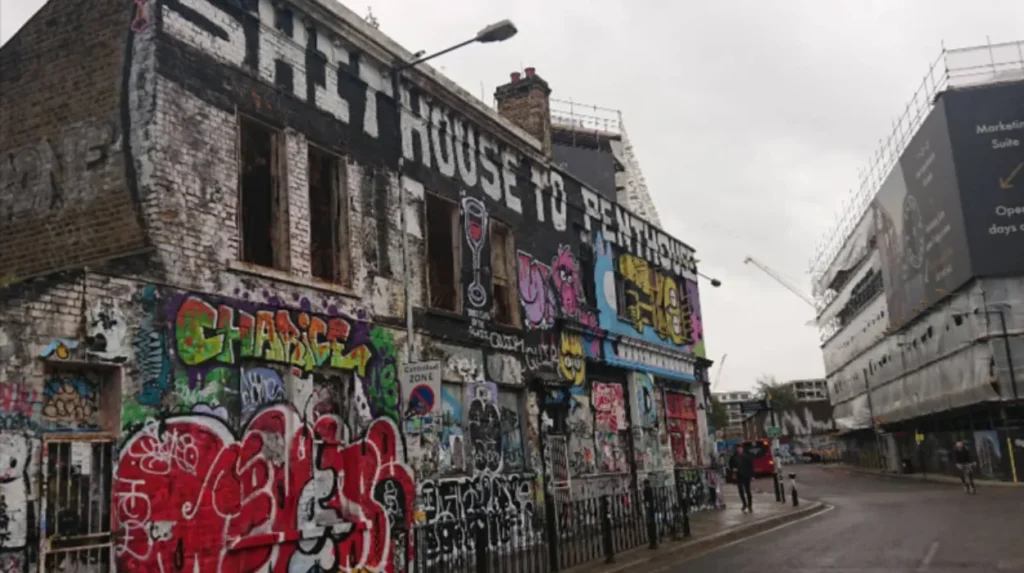
Post-industrial decline yielded affordable studios, attracting over 600 artists by 2013, including Banksy. Venues like Stour Space, Schwartz Gallery, and The White Building foster art, tech, and sustainability.
Hackney Wicked festivals since 2008 showcase local galleries. Gentrification accelerated post-2012 Olympics, blending creatives with new residents.
Diverse demographics from 2011 census show 48.4% White, 31.8% Black, reflecting vibrant multiculturalism in 11,734 residents.
Top Attractions Today
Explore Queen Elizabeth Olympic Park for walks, boat tours, and the ArcelorMittal Orbit’s 178m tunnel slide. Street art murals adorn warehouses, a nod to the area’s creative pulse.
Crate Brewery offers canal-side pizzas and craft beer; Barge East serves riverside dining. Try axe throwing at Skeeters or canoeing with Moo Canoes from Milk Float.
Lord Napier, London’s oldest canal pub, pours historic pints. V&A East Storehouse displays cultural artifacts.
Modern Developments
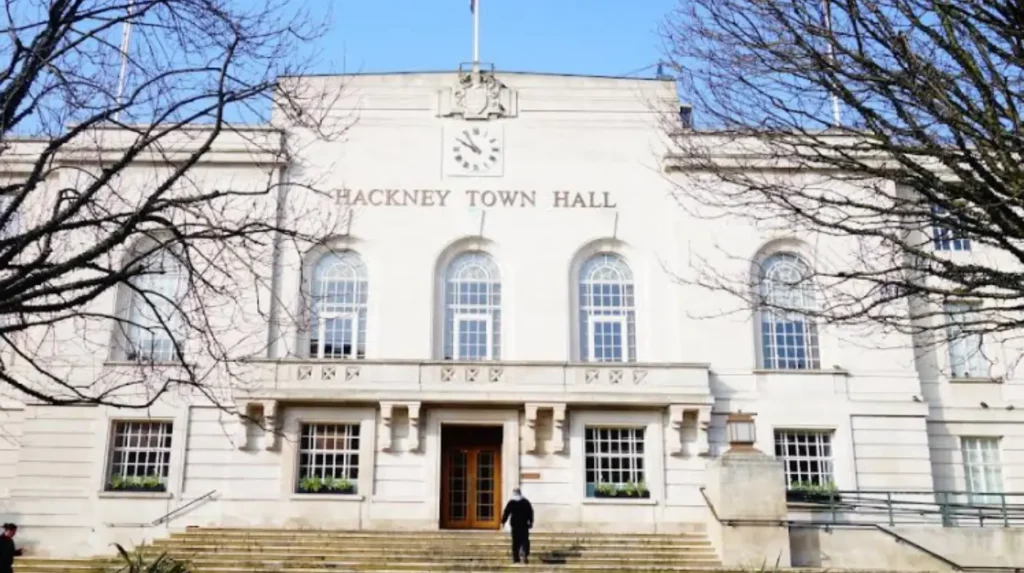
Hackney Wick thrives as a Creative Enterprise Zone per Hackney Council, with the Neighbourhood Centre supporting makers and independents west of Olympic Park.
East Wick and Sweetwater add housing, balanced by conservation efforts. The 2009-designated conservation area protects historic factories.
Community maps and trusts like HWFI safeguard artist spaces amid rising rents.
Getting Around Easily
London Overground at Hackney Wick station links the North London Line. Buses 26, 30, 236, 276, 339, 388, 488, and N26 connect to central London and Stratford.
Cycle Route 1 and towpaths suit eco-travel; A12 provides road access.
Why Visit Hackney Wick
This evergreen East London enclave endures through reinvention, from industrial powerhouse to artistic haven. Its waterways, murals, and markets offer endless discovery for residents and explorers alike.