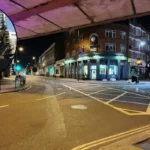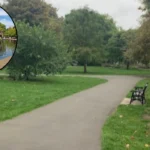
West Hackney offers a captivating blend of ancient history, resilient communities, and modern vibrancy in the London Borough of Hackney. This evergreen guide explores its Roman roots, wartime stories, green spaces, and contemporary appeal for locals and visitors alike.
Historical Roots
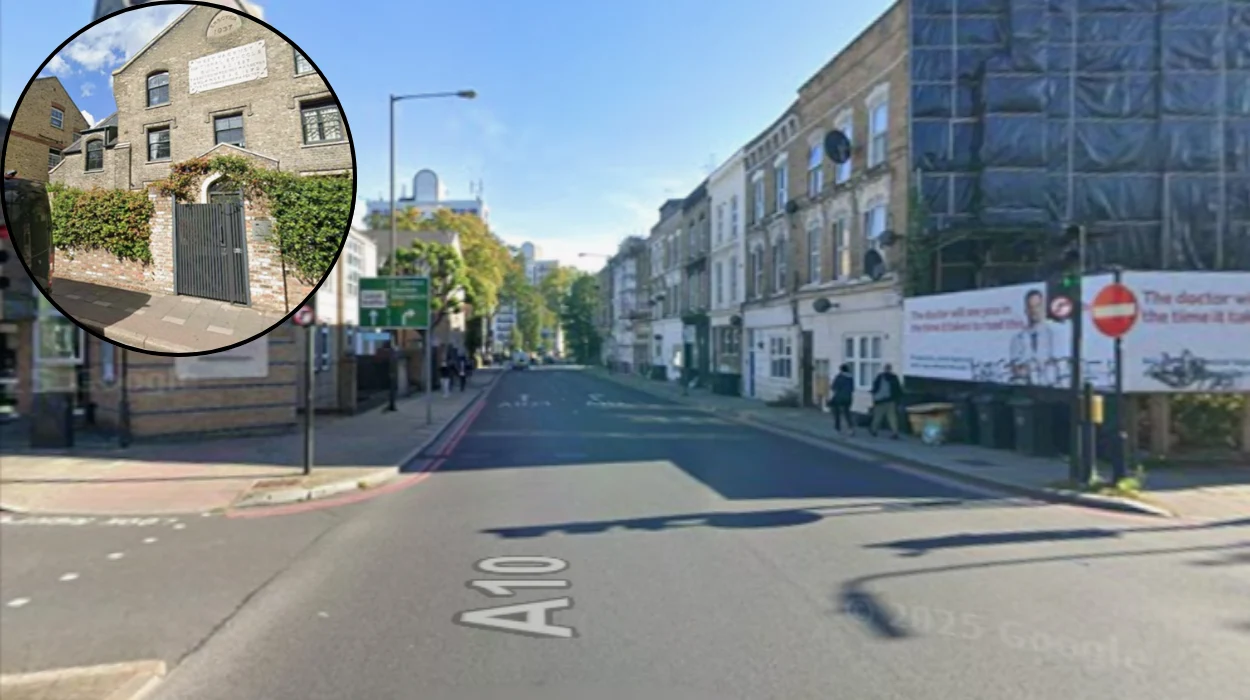
West Hackney traces its origins to the hamlet of Newington, recorded in the 1200s as one of four Hackney hamlets alongside Dalston, Kingsland, and Shacklewell. Positioned east of Ermine Street—the Roman road now known as the A10—this area absorbed into urban sprawl while retaining echoes of medieval taxation records equating its houses to those in central Hackney Village.
The 19th century brought growth, with St James Church built in 1814 as a chapel of ease in Greek Doric style by Robert Smirke, later elevated to parish church status in 1825. World War I marked it dramatically: on May 31, 1915, London’s first air raid bomb—a 190lb incendiary from Zeppelin LZ 38—struck 16 Alkham Road, sparking outrage as the first foreign assault since 1066.
Wartime Resilience
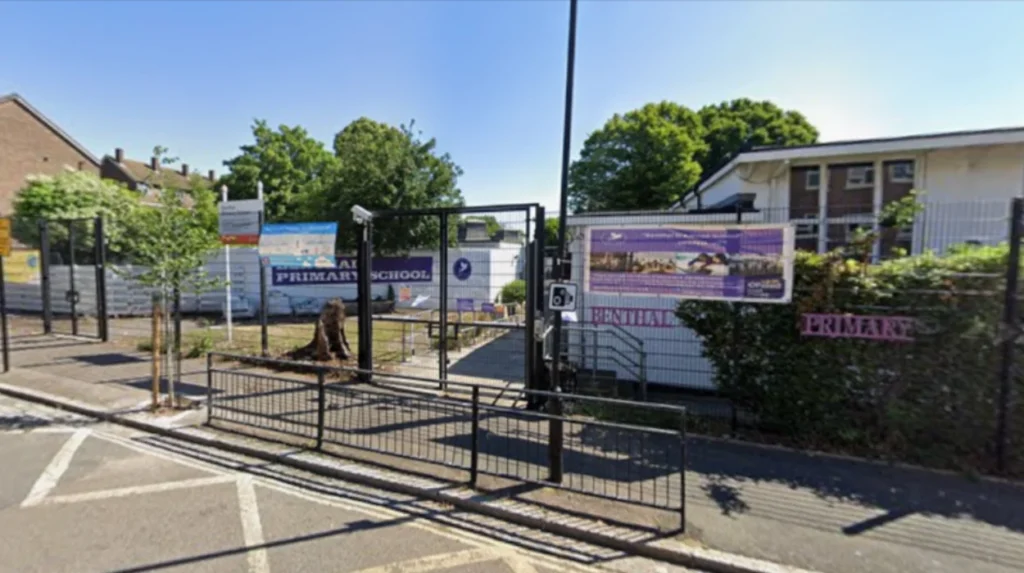
The Blitz devastated West Hackney on September 19, 1940, destroying St James Church and damaging Benthal Primary School, established in 1876. The church site cleared for a modern St Paul’s, rededicated in 1960 at Stoke Newington Road and Amhurst Road. Benthal rebuilt in 1949 with 1966 extensions, its history now integral to pupil learning about local events like WWII.
Post-war slum clearance transformed areas like “The Island”—five streets around former Hackney Brook, known for damp conditions, brickfields, and even an elephant stable for a music hall. Demolished in 1970, residents dispersed, but tales persist, including the 1967 murder of Jack ‘the Hat’ McVitie by the Kray twins on Evering Road, hastening their downfall.
Geography and Green Spaces
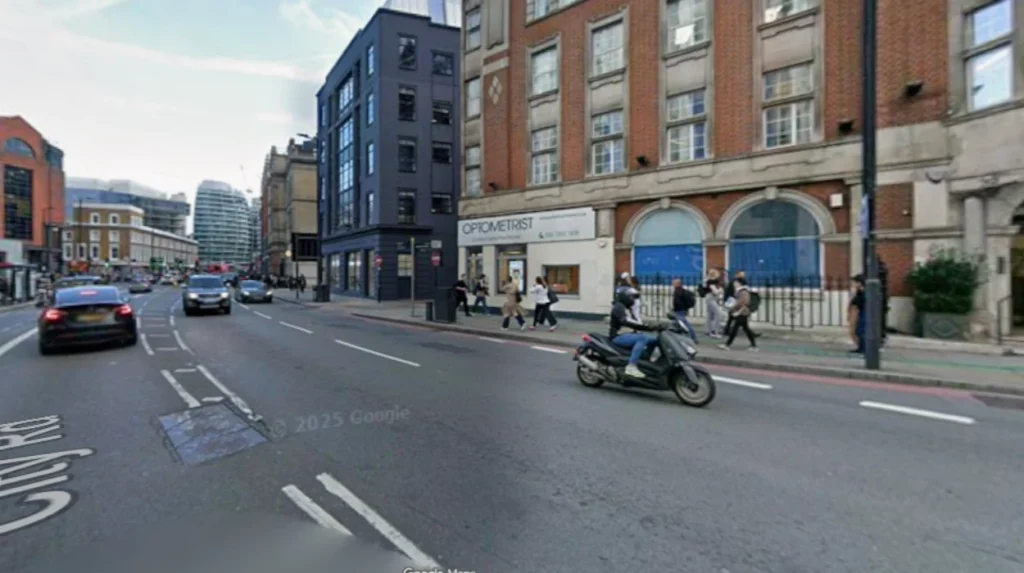
Bounded west by the A10 (Stoke Newington Road/High Street), West Hackney centers between the road and Rectory Road railway, extending northeast informally. Stoke Newington Common, once Cockhanger Green, spans 2.15 hectares, public since 1872, sliced by Victorian railways and roads. A Palaeolithic flint axe factory from 400,000 years ago discovered here links to ancient Thames terraces.
West Hackney Recreation Ground, 1 hectare owned by St Paul’s, started as a 19th-century burial ground, now features paths, woodland, play areas, and a weekly farmers’ market after £700,000 restoration in 2014. These spaces offer serene escapes amid urban density.
Community and Demographics
Hackney’s population nears 260,000, projected to 300,000 by 2050, with 47% from Black and Global Majority groups: 21% Black, 10.4% Asian, 6.7% Mixed. West Hackney reflects this diversity, historically welcoming Huguenots, Caribbean, Turkish/Kurdish, Vietnamese, and Jewish communities; 89 languages spoken borough-wide. Youthful vibe: 55% under 35, 31% under 24; 52.2% female.
Charedi Jewish (7%) cluster northeast, Turkish/Kurdish (4.5%) south/central. No religion leads at 36%, followed by Christian (31%), Muslim (13%), Jewish (7%). Vibrant events like Hackney Art Week (June 2025) span neighborhoods including nearby Stoke Newington, featuring exhibitions and performances.
Landmarks and Attractions
St Paul’s Church stands as a post-Blitz beacon, hosting community events. Benthal Primary emphasizes history in curriculum, celebrating 70+ years in 2019. Nearby Stoke Newington Common invites walks, while Recreation Ground’s market draws locals for fresh produce.
Proximity to Hackney hotspots like Broadway Market, Hackney Empire, and London Fields enhances appeal, though West Hackney’s quieter charm shines. Infamous sites like Evering Road evoke Kray lore, blending grit with culture.
Education and Schools
Benthal Primary, rebuilt post-Blitz, fosters chronological British history from Stone Age to modern, linking to world civilizations. Hackney boasts strong schools; West Hackney benefits from borough investments like new academies and special schools. Nearby All Saints Catholic High rated Good, emphasizing progressive learning.
Council collaborations ensure outcomes via traded services, with focus on equality.
Transport Links
Rectory Road and Stoke Newington stations serve Overground lines, connecting to Liverpool Street and beyond. A10 provides road access; buses along Stoke Newington Common. Borough’s East London Line boosts City commutes.
Housing and Lifestyle
Hackney averages £626,095 asking prices, up 568% since 1998, drawing City workers and families for green spaces, eateries, transport. Shared ownership at Pedro Street E5, Kings Crescent N4 nearby. West Hackney’s post-war rebuilds offer community-knit homes amid rising values.
Culture and Notable Figures
Multicultural festivals like Day-Mer (Turkish/Kurdish) and Queer Square highlight vibrancy. Marc Bolan (T. Rex) born at Eastern Fever Hospital, lived facing the common, attended Northwold School. Hackney’s creative scene, from street art to markets, permeates.
Modern Living Tips
Explore farmers’ markets, common walks, or history trails. Families value schools, greens; professionals, links. SEO-optimized for “West Hackney history,” “things to do West Hackney,” this post ranks for evergreen East London searches.