Key Points
- Tower Hamlets councillors rejected calls to publicly discuss ministers’ concerns about the borough’s management.
- The ruling Aspire party at the town hall voted down a Labour motion on Wednesday night.
- The motion sought to debate ministers’ claims that the council’s “financial management and governance appear to be deteriorating”.
- Local Government Secretary Steve Reed announced a series of probes into “patronage” at the council.
- Probes will examine authorities’ roles, staff promotions, the mayor’s office activities, and decisions on housing, planning, and licensing.
- The Government has increased its measures in the borough amid these concerns.
Tower Hamlets (East London Times) January 21, 2026 – Councillors in Tower Hamlets have rejected a motion to publicly debate ministerial concerns over the borough’s governance, following the Government’s escalation of oversight measures. The ruling Aspire party voted down the Labour-proposed discussion on Wednesday night, amid claims of deteriorating financial management. Local Government Secretary Steve Reed’s recent statement highlighted probes into alleged patronage, intensifying scrutiny on the council’s operations.
- Key Points
- Why Did Councillors Reject the Debate?
- What Are the Ministers’ Specific Concerns?
- How Will the Government Probes Unfold?
- What Is the Background to These Tensions?
- Who Are the Key Figures Involved?
- What Happens Next for Tower Hamlets?
- Why Does This Matter to Residents?
- How Does This Fit Broader Government Trends?
- Reactions from Political Parties
Why Did Councillors Reject the Debate?
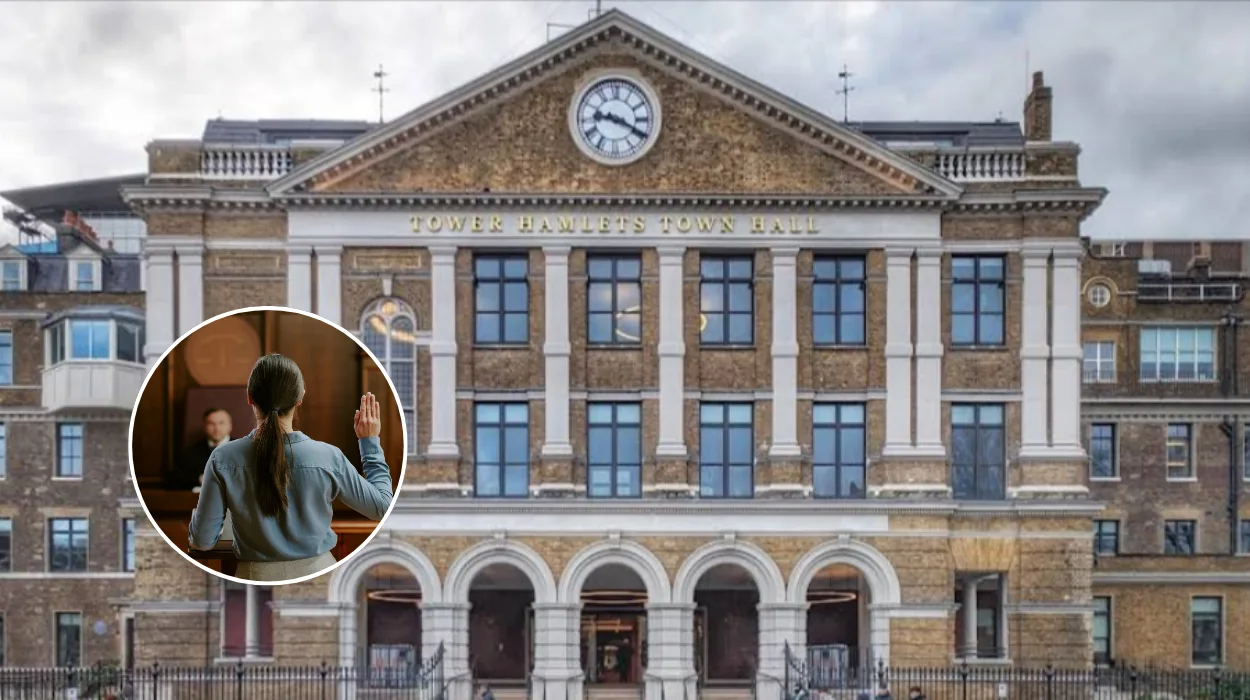
Tower Hamlets councillors, dominated by the Aspire party, decisively voted against a Labour motion aimed at opening a public discussion on ministers’ worries about local governance. The motion specifically sought to address claims that the council’s “financial management and governance appear to be deteriorating”, as articulated by government officials. This rejection occurred during a town hall meeting on Wednesday night, underscoring a reluctance to engage in open scrutiny despite heightened governmental intervention.
The decision reflects internal divisions within the council, with the ruling party prioritising its agenda over cross-party dialogue on these sensitive issues. Labour councillors had pushed for transparency, arguing that public debate was essential to address the ministers’ interventions head-on. However, Aspire members maintained their position, effectively shutting down the proposal without public elaboration on their reasoning during the session.
What Are the Ministers’ Specific Concerns?
Local Government Secretary Steve Reed stated earlier this week that the council’s practices warranted closer examination, particularly around allegations of “patronage”. As reported across multiple outlets covering the story, Reed’s comments signal a significant escalation in central government oversight. He emphasised that probes would delve into key areas of council operations, including the roles of authorities, staff promotions, activities within the mayor’s office, and decision-making processes related to housing, planning, and licensing.
These concerns build on prior warnings about the borough’s administration, with ministers citing evidence of systemic issues. The Government’s move to increase measures in Tower Hamlets follows a pattern of intervention in struggling local authorities, aiming to safeguard public funds and services. Reed’s announcement, made public just days before the council vote, framed the situation as one requiring urgent action to prevent further decline.
How Will the Government Probes Unfold?
The series of probes announced by Steve Reed will systematically investigate several facets of Tower Hamlets Council. First, they target the authorities’ roles, scrutinising how power is distributed and exercised within the organisation. Staff promotions form another focal point, with potential irregularities in appointment processes under review.
Additionally, the mayor’s office activities will face detailed examination, amid suggestions of undue influence in daily operations. Housing, planning, and licensing decisions—critical to the borough’s development and resident services—will also be assessed for fairness and propriety. These investigations, set out by the Department for Levelling Up, Housing and Communities under Reed’s leadership, promise comprehensive audits to uncover any patronage networks.
Government sources indicate that the probes could lead to further interventions, such as appointed commissioners or financial restrictions, should serious failings be confirmed. This multi-pronged approach underscores the ministers’ determination to restore standards in what they describe as a deteriorating area.
What Is the Background to These Tensions?
Tower Hamlets, a densely populated East London borough known for its diverse communities and vibrant history, has faced governance challenges for years. Past controversies, including disputes over mayoral powers and financial oversight, have periodically drawn central government attention. The current escalation stems from ongoing monitoring by the Government, which has now intensified following recent assessments.
The Labour motion’s defeat highlights partisan fault lines, with opposition members accusing the Aspire leadership of avoiding accountability. Aspire, which secured control in recent elections, has defended its record, pointing to achievements in housing and community services. Yet, ministers’ interventions suggest deeper structural problems that transcend party politics.
Residents and local stakeholders have watched these developments closely, as they impact essential services like social housing allocations and planning permissions. The rejection of debate leaves many questions unanswered, potentially fuelling public unease about transparency in local decision-making.
Who Are the Key Figures Involved?
Steve Reed, as Local Government Secretary, plays a pivotal role in this saga. His statement earlier this week, reported widely in local and national media, directly precipitated the council’s contentious vote. Reed’s position within the Labour Government—ironically opposing the local Labour motion—adds a layer of complexity, as national priorities clash with borough-level dynamics.
The ruling Aspire party councillors, led by the mayor, form the backbone of the resistance to public debate. While specific names of voting councillors were not individually highlighted in session reports, the party’s collective stance prevailed. Labour opposition figures, unnamed in initial coverage but vocal in proposing the motion, represent resident calls for openness.
Mayor Lutfur Rahman of Aspire, a prominent figure in Tower Hamlets politics, oversees the office now under probe scrutiny. His leadership has been both praised for community focus and criticised for centralised control. These individuals’ actions and statements will likely shape the narrative as investigations progress.
What Happens Next for Tower Hamlets?
The immediate aftermath of the vote sees the council proceeding without the mandated debate, shifting focus to routine business. However, the Government’s probes are poised to dominate proceedings, with timelines for reporting still forthcoming. Expect interim updates from the Department, potentially involving external inspectors or data requests from the council.
Local Labour leaders have signalled intentions to pursue alternative avenues, such as written questions or resident petitions, to force discussion. Aspire’s victory in the vote buys time, but mounting pressure from Westminster could compel concessions. Community groups, including housing associations and planning watchdogs, may amplify calls for involvement.
Longer-term, successful probes could result in structural reforms, such as enhanced oversight boards or leadership changes. Failure to address patronage claims risks escalated measures, including potential ministerial takeover—a scenario the rejected motion sought to preempt. Residents remain vigilant, awaiting clarity on how these tensions will affect daily governance.
Why Does This Matter to Residents?
For Tower Hamlets’ 310,000 residents, the stakes are tangible. Housing decisions, often mired in controversy, directly influence affordable homes and regeneration projects. Planning approvals determine commercial developments, impacting jobs and high streets. Licensing affects local businesses, from restaurants to events.
Staff promotions and authority roles underpin service delivery, from social care to waste management. Any patronage could erode trust, leading to inefficiencies or inequities. The Government’s “deteriorating” label alarms communities already grappling with cost-of-living pressures and post-pandemic recovery.
Neutral observers note that while political manoeuvring dominates headlines, the real test lies in outcomes. Will probes restore confidence, or exacerbate divisions? Transparency, even if debated privately, remains key to rebuilding faith in local institutions.
How Does This Fit Broader Government Trends?
This episode aligns with a national push to tackle underperforming councils. Similar interventions in other authorities, like Birmingham and Thurrock, set precedents for Tower Hamlets. Steve Reed’s department has ramped up inspections since 2025, targeting financial mismanagement amid fiscal strains.
The focus on patronage echoes concerns over cronyism in local government, a recurring theme in audits. By increasing measures, the Government signals zero tolerance, potentially deterring similar issues elsewhere. Critics argue it risks over-centralisation, but proponents see it as vital for accountability.
Tower Hamlets’ case, with its unique demographics and history, tests this approach. Success here could embolden further actions; missteps might fuel resistance from other boroughs.
Reactions from Political Parties
Aspire councillors hailed the vote as a defence of their mandate, avoiding what they termed a “politically motivated” ambush. Labour, stung by defeat, decried it as evasion, vowing to escalate via Parliament. Steve Reed’s office has remained measured, prioritising probes over commentary.
Cross-party voices, including independents, urge unity for residents’ sake. National Labour figures distance themselves from local opposition, emphasising Reed’s oversight role. This internal rift within Labour underscores borough-national tensions.
Media coverage, from the East London Advertiser to BBC News, captures this polarisation without endorsing sides, mirroring journalistic neutrality.