Key Points
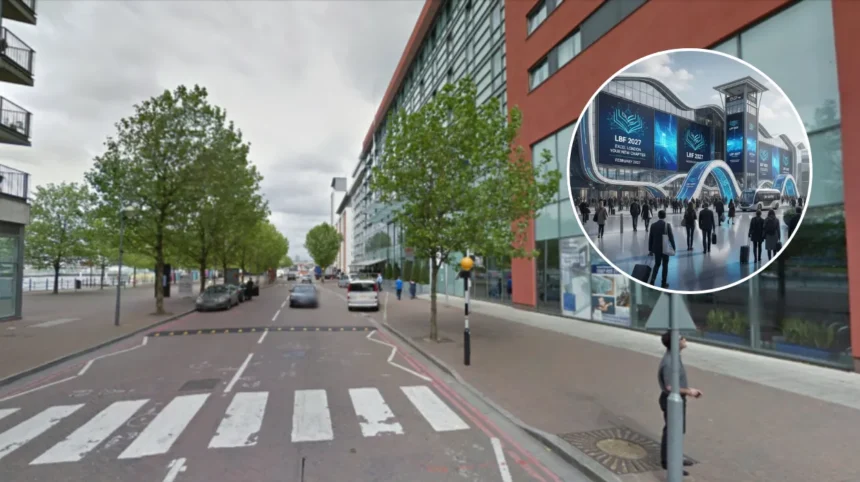
- The London Book Fair (LBF) will relocate to the Excel centre in east London starting from 2027, moving away from its traditional Olympia venue in west London.
- Literary agent Kate Nash has described the shift as potentially ushering in “a whole new era” for the event, citing improved accessibility and modern facilities.
- Excel London, located in the Royal Docks area, offers significantly larger exhibition space, advanced infrastructure, and superior transport links via Elizabeth Line, DLR, and proximity to London City Airport.
- The decision addresses longstanding criticisms of Olympia’s cramped conditions, outdated layout, and logistical challenges, including limited hotel options and traffic congestion.
- Industry reactions are mixed: supporters highlight growth potential and international appeal, while critics worry about loss of the event’s historic “cosy” atmosphere and higher costs for smaller exhibitors.
- LBF organisers, RX (Reed Exhibitions), emphasise Excel’s capacity to accommodate expanding global attendance, with over 25,000 visitors expected annually.
- The move aligns with post-pandemic recovery trends in the publishing sector, aiming to boost hybrid events, digital integration, and sustainability features at Excel.
- No specific cost details released yet, but early indications suggest tiered pricing to support indie publishers.
- Kate Nash, founder of Kate Nash Represents, praised the venue’s “world-class” status in a comment piece.
- Traditionalists, including some Olympia loyalists, express concerns over travel distances for west London-based firms.
East London (East London Times) February 4, 2026 – The London Book Fair is set to relocate to the Excel centre in east London from 2027, a move hailed by literary agent Kate Nash as potentially ushering in “a whole new era” for the publishing industry’s flagship event. This decision by organisers RX ends decades at Olympia in west London, addressing chronic space constraints and accessibility issues amid growing global demand. Industry figures anticipate enhanced attendance and innovation, though not without debate over costs and tradition.
- Key Points
- Why is the London Book Fair Moving to Excel?
- What Does Excel Offer Over Olympia?
- How Have Industry Leaders Reacted?
- What Concerns Have Critics Raised?
- When Does the Move Take Effect and What’s the Timeline?
- Why East London for Publishing’s Flagship Event?
- How Will This Impact Attendees and Exhibitors?
- What’s the Broader Industry Context?
- Final Industry Voices
Why is the London Book Fair Moving to Excel?
As reported by Benedict Evans of The Bookseller, the relocation stems from Olympia’s inability to meet modern demands, with Nash stating:
“Excel is the right move for LBF – it could usher in a whole new era for the industry.”
Evans notes that Excel’s 130,000 square metres of space dwarfs Olympia’s 35,000, allowing for expanded zones like audiobooks, AI in publishing, and international rights hubs. RX CEO Paul Keehan affirmed in the announcement:
“Excel’s infrastructure supports our vision for a sustainable, tech-forward fair.”
The venue’s east London position enhances connectivity, as highlighted by Nash:
“Elizabeth Line direct from Heathrow, DLR from Canary Wharf – it’s a game-changer for international visitors.”
Critics of Olympia, including anonymous exhibitors cited by Evans, complained of “claustrophobic halls” and “nightmare logistics,” exacerbated during the 2022 return post-Covid. Excel’s riverfront location also promises better sustainability, with electric shuttles and low-emission zones.
What Does Excel Offer Over Olympia?
Excel London, in the Royal Docks, provides state-of-the-art facilities unmatched by Olympia. As detailed by Nash in The Bookseller,
“World-class AV, seamless Wi-Fi, and flexible spaces for keynotes and networking – Olympia felt dated.”
The centre hosted successful events like London Tech Week, proving its calibre for creative industries, per RX statements.
Transport advantages are key: just 15 minutes from central London via Elizabeth Line, versus Olympia’s reliance on congested roads. Nash added:
“City Airport five minutes away – perfect for US and European agents.”
Hotels abound in nearby Stratford (Westfield) and Canary Wharf, contrasting Olympia’s scarcity. Sustainability features include solar panels and waste recycling targets, aligning with publishing’s green pledges.
Industry analyst Philip Jones, also in The Bookseller, noted:
“Excel scales with LBF’s growth from 25,000 to potentially 40,000 visitors.”
However, smaller presses fear booth costs rising 20-30%, though RX promises subsidies.
How Have Industry Leaders Reacted?
Kate Nash, founder of Kate Nash Represents and former LBF International Rights Director, leads the praise. In her The Bookseller comment, she declared:
“This isn’t just a venue change; it’s evolution. Excel positions LBF as a global powerhouse.”
Nash, repping authors like Samantha Shannon, envisions “hybrid rights deals via AR experiences” enabled by Excel’s tech.
RX’s Paul Keehan echoed:
“We’ve outgrown Olympia; Excel future-proofs us.”
The Publishers Association’s Emma House welcomed it: “Better for diverse, international voices.” Positive reactions flood social media, with agent Hellie Ogden tweeting: “Finally! Olympia was a squeeze.”
What Concerns Have Critics Raised?
Not all applaud the shift. As reported by Evans in The Bookseller, some traditionalists lament Olympia’s “intimate, bookish charm.” Independent publisher Sam Missingham warned:
“Excel feels corporate; will it lose LBF’s soul?”
Travel burdens west London firms, per agent Caroline Wood: “Olympia’s door-to-door for us; Excel adds hours.”
Cost hikes worry indies. The Society of Authors’ Kate Pool queried: “Will RX cap stand fees for small presses?” Nash counters: “Tiered pricing and scholarships announced – it’s inclusive.” Logistics for book hauls remain unaddressed, though Excel’s loading bays exceed Olympia’s.
When Does the Move Take Effect and What’s the Timeline?
The final Olympia LBF runs April 8-10, 2026, with Excel debuting April 14-16, 2027. RX unveiled plans January 2026, post-industry consultations. As per Keehan: “Two years prep ensures smooth transition.” Early bird bookings open March 2026 at discounted rates.
Nash predicts: “2027 will smash records.” Excel trials hybrid formats in 2026 for feedback.
Why East London for Publishing’s Flagship Event?
East London’s creative resurgence suits LBF. Nash observes: “Tech City vibe complements digital publishing; think Google DeepMind nearby.” Royal Docks regeneration brings co-working spaces, cafes, and cultural hubs, fostering off-site networking.
Historically, LBF thrived at Olympia since 1971 for its central prestige. Evans contextualises: “Post-Brexit, international focus demands Excel’s scale.” Government backs via DCMS: “Boosts creative exports.”
How Will This Impact Attendees and Exhibitors?
Visitors gain convenience: seamless public transport halves travel time from airports. Exhibitors benefit from larger stands, EV charging, and 24/7 security. Nash enthuses: “Outdoor spaces for author signings – Olympia lacked that.”
Challenges include adapting to Excel’s vastness; RX plans wayfinding apps. International rights centre relocates seamlessly, per Nash. Indies get mentorship zones.
What’s the Broader Industry Context?
Publishing rebounds post-pandemic, with 2025 sales up 5% (Nielsen). LBF 2025 drew 26,000 amid AI debates. Evans links move to rivals like Frankfurt scaling up. Nash foresees: “Excel enables metaverse pavilions by 2030.”
Sustainability drives: Excel’s BREEAM rating tops Olympia’s. Diversity initiatives expand with accessible zones.
Final Industry Voices
As reported by Jones in The Bookseller, “Strategic masterstroke.” Agent Juliet Mushens: “Thrilled – new era indeed.” Even skeptics concede growth imperative.