Key Points
- Concerns were raised at a meeting in Harold Hill this week about the lack of public toilets across the Hilldene shopping area.
- The Havering Daily investigated access to toilets across the borough following the meeting.
- Residents across Havering are raising concerns over the lack of public toilets, questioning why facilities have been closed and warning of serious impacts on daily life.
- Access to basic public facilities has become increasingly difficult, particularly for elderly people, families with young children, and those with health conditions.
- Shortage affects shopping areas, parks, and town centres, forcing reliance on businesses or long travel distances.
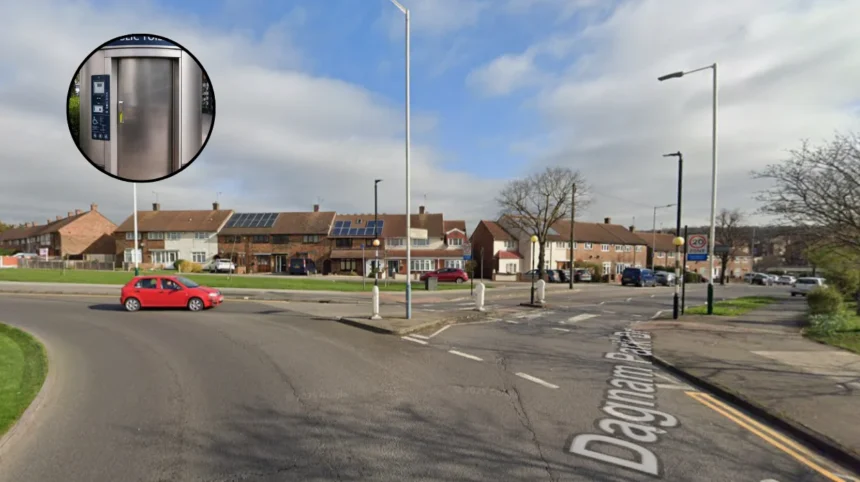
- Historically, the borough had automated public toilet units, but several have been shut down over recent years due to cost-saving measures and changes to council contracts.
- Current provision relies on toilets in shopping centres, libraries, leisure facilities, and private businesses, which are often inaccessible, have restricted hours, or are unavailable.
- Impact is severe in busy shopping areas and local centres where older facilities closed without replacement.
- Elderly residents face dignity and wellbeing issues; libraries, churches, and businesses face pressure to fill the gap.
- Wider questions raised about public health, accessibility, and local authorities’ responsibility amid population growth and development.
- Havering Council links changes to financial pressures and operational costs.
- Residents call for a review of toilet provision and new facilities in key locations.
Harold Hill, Havering (East London Times) February 27, 2026 – Residents in Havering are voicing growing frustration over the vanishing public toilets across the borough, with a recent community meeting in Harold Hill spotlighting the acute shortage in the Hilldene shopping area. As reported by journalists at the Havering Daily, the investigation reveals a stark decline in dedicated facilities, leaving vulnerable groups like the elderly, families with young children, and those with health conditions struggling for basic access. Closures driven by council cost savings have shifted reliance to limited alternatives in shopping centres and businesses, prompting calls for urgent action.
- Key Points
- Why Are Public Toilets Disappearing in Havering?
- Who Is Most Affected by the Toilet Shortage?
- What Happened to Havering’s Automated Toilet Units?
- How Does the Council Justify the Closures?
- What Are the Broader Implications for Public Health?
- Why Are Residents Demanding a Review Now?
- Could New Developments Solve the Crisis?
- What Alternatives Exist Today?
- How Does Havering Compare to Neighbouring Boroughs?
- What Lies Ahead for Havering’s Toilets?
Why Are Public Toilets Disappearing in Havering?
Concerns erupted at a meeting in Harold Hill this week, where locals highlighted the dire lack of public toilets in the Hilldene shopping area.
The Havering Daily probed deeper, examining toilet access borough-wide and uncovering a troubling trend. Residents across Havering say they are struggling to find basic facilities when out and about, with many questioning the closures and their impact on daily life.
As detailed in the Havering Daily‘s coverage, access to public toilets has grown increasingly difficult, hitting shopping areas, parks, and town centres hardest.
Elderly people, families with young children, and individuals with health conditions bear the brunt, often forced to rely on private businesses or trek long distances. Community members report that without these essentials, outings become a challenge, eroding quality of life.
Historically, Havering boasted automated public toilet units dotted around key spots. However, as the Havering Daily notes, several have shuttered over recent years amid cost-saving measures and shifts in council contracts. This has slashed the number of street-level public toilets, leaving gaps that alternatives struggle to fill.
Who Is Most Affected by the Toilet Shortage?
The impact falls heaviest on vulnerable residents, according to accounts gathered by the Havering Daily. Elderly people in particular face dignity and wellbeing crises, as older facilities in busy shopping areas and local centres closed without replacements.
One resident highlighted how this forces seniors to limit trips or risk discomfort in public.
Families with young children echo these woes, with parents describing the stress of unpredictable needs in parks and town centres. Those with health conditions, such as incontinence or mobility issues, find the scarcity especially burdensome, amplifying isolation.
The Havering Daily reports that in some areas, no options exist at all, pushing people towards libraries, churches, or shops.
Local businesses and community hubs now shoulder extra pressure. Shopkeepers and librarians note increased demands on their facilities, straining resources not designed for public use. As the Havering Daily observes, this patchwork approach fails to meet borough-wide needs, especially as Havering sees population growth from new developments.
What Happened to Havering’s Automated Toilet Units?
Havering once relied on automated public toilet units for reliable, round-the-clock access. The Havering Daily explains that these were a staple in high-traffic zones but have dwindled due to deliberate council decisions. Cost-saving measures topped the list, with high maintenance and operational expenses cited as key drivers.
Changes to council contracts further accelerated closures, prioritising budget over provision. The Havering Daily‘s review shows a significant drop in dedicated street-level toilets, transforming public spaces. Today, much of the borough’s offering hinges on indoor facilities in shopping centres, libraries, leisure centres, and private outlets.
These alternatives come with caveats: restricted hours, accessibility barriers, and outright absence in rural or less-served spots. Residents complain that shopping centres lock doors early, while libraries prioritise members. The Havering Daily underscores how this leaves outer areas like Harold Hill particularly exposed.
How Does the Council Justify the Closures?
Havering Council has tied the changes to unrelenting financial pressures. As previously stated by council spokespeople and referenced in the Havering Daily, rising operational costs made standalone toilets unsustainable. Budget squeezes forced tough choices, with toilets among the services trimmed.
Operational headaches, from vandalism to cleaning, compounded the issue. The council points to broader fiscal strains, including post-pandemic recovery and inflation. Yet, as the Havering Daily reports, residents question if enough alternatives have materialised to offset the losses.
No fresh council statement emerged in the immediate wake of the Harold Hill meeting, but past positions hold firm. Officials argue that partnering with businesses and facilities stretches limited funds further. Critics, however, see this as shirking core duties.
What Are the Broader Implications for Public Health?
The toilet drought raises alarms on public health fronts, per the Havering Daily‘s analysis. Without reliable facilities, hygiene risks climb, especially for those with medical needs. Dehydration or avoidance of outings could follow, hitting health outcomes.
Accessibility gaps undermine inclusivity, clashing with equality laws. Campaigners warn that growing communities demand matching infrastructure. As Havering expands with housing, the Havering Daily questions if basics like toilets keep pace.
Wellbeing suffers too: stress from uncertainty erodes mental health, particularly for the elderly. Public spaces lose appeal, stifling community vibrancy. The Havering Daily frames this as a litmus test for local authority priorities amid development booms.
Why Are Residents Demanding a Review Now?
Public frustration has boiled over, with calls for a full toilet provision review ringing out. The Harold Hill meeting catalysed action, but borough-wide gripes predate it. Residents urge new facilities in key spots like Hilldene, Romford, and parks.
As the Havering Daily documents, locals want dedicated, accessible units reinstated or modernised. Pressure mounts on councillors to act, citing dignity and health. Campaigners push for policy shifts, tying toilets to growth plans.
Businesses plead for relief too, weary of unpaid burdens. The Havering Daily notes growing momentum, with petitions and forums amplifying voices. Residents envision a borough where outings need not hinge on desperation.
Could New Developments Solve the Crisis?
Havering’s population swells with housing projects, spotlighting infrastructure lags. The Havering Daily links this to the toilet shortfall: more people, same scant facilities. Developers could integrate public toilets, but mandates lag.
Campaigners advocate planning conditions for essentials in new builds. Libraries and leisure sites expand, yet gaps persist in high streets. The Havering Daily suggests tech like apps mapping options, but hardware trumps software.
Council budgets eyed for ring-fenced funds, perhaps via grants. Success stories from peer boroughs inspire: solar-powered units cut costs. Residents press for pilots in hotspots like Harold Hill.
What Alternatives Exist Today?
Current options lean on non-public venues, as mapped by the Havering Daily. Shopping centres like The Liberty offer customer toilets; libraries serve patrons. Leisure facilities and cafes step in, often grudgingly.
Apps like Refidim guide users, but coverage thins outside Romford. Community hubs like churches host during events. The Havering Daily warns these prove unreliable for spontaneous needs.
Portables surface at festivals, not daily. Businesses gain from trade but resent wear. A hybrid model emerges, blending public duty with private aid.
How Does Havering Compare to Neighbouring Boroughs?
Havering’s woes mirror East London trends, though acute here. Neighbours like Barking retain more units, per regional scans. The Havering Daily implies cost cuts hit outer boroughs hardest.
Inner spots boast cafe density, easing strain. Havering’s sprawl amplifies distances. Lessons from Redbridge’s renewals could guide: partnerships revived facilities.
Population density varies: Havering’s growth outstrips provision. Benchmarks urge 1:5,000 ratio; Havering falls short.
What Lies Ahead for Havering’s Toilets?
Frustration fuels demands for borough-wide audits. The Harold Hill spark could ignite council motion. Residents eye spring budgets for pledges.
As the Havering Daily concludes, inaction risks health scandals. Modern, low-cost units beckon: radar-activated, eco-friendly. Community backing swells for change.
Havering stands at a crossroads: restore basics or let decline fester. Voices from Hilldene to Hornchurch unite, pressing for facilities fitting a thriving borough.