Key Points
- Barking and Dagenham has achieved the highest rate in London for awarding young people their first-preference secondary school places for September 2026, with more than three quarters (77.4 per cent) securing their top choice.
- This marks the second consecutive year that Barking and Dagenham has led London boroughs in this metric, following a similar top position in the previous admissions cycle.
- The borough outperformed the national average, where 82.6 per cent of pupils received their first-choice secondary school place, but it excelled regionally against all other London authorities.
- A total of 2,778 Year 6 pupils in Barking and Dagenham applied for secondary school places through the council’s co-ordinated admissions scheme.
- Of those applicants, 2,150 pupils (77.4 per cent) were offered their first preference, 366 (13.2 per cent) received a second preference, 122 (4.4 per cent) got a third preference, and 140 (5 per cent) were allocated an alternative local school place.
- Councillor Saima Kauser, Portfolio Holder for Education, praised the result as evidence of the council’s commitment to prioritising local children and praised parents for submitting applications on time.
- The council urges parents who did not list preferences or did not apply to contact the admissions team immediately, as places may still be available at preferred schools.
- National context includes a slight dip in first-preference rates from 83 per cent last year to 82.6 per cent this cycle, amid rising pupil numbers and concerns over place shortages in some areas.
- Similar coverage from East London Times confirms Barking and Dagenham’s leading position, attributing success to effective planning and high-quality local schools.
Barking and Dagenham (East London Times) March 5, 2026 – More than three quarters of young people in Barking and Dagenham have secured a place at their first-preference secondary school for September 2026, topping all London boroughs for the second year running, according to the latest figures from the London Borough of Barking and Dagenham (LBBD).
- Key Points
- What Made Barking and Dagenham Top London Boroughs Again?
- How Does This Compare to National and London Averages?
- Why Is Parental Application Timing Critical?
- What Challenges Do Rising Pupil Numbers Pose?
- Who Are the Key Figures and Schools Involved?
- What Happens Next for Unsatisfied Families?
- How Does This Reflect Broader Education Trends in East London?
The achievement underscores the borough’s robust education planning amid national pressures on school places. Councillor Saima Kauser hailed the results as a testament to the council’s focus on local families. Parents are reminded that the deadline for accepting offers has passed, but late actions could still yield positive outcomes.
What Made Barking and Dagenham Top London Boroughs Again?
As reported on the official LBBD news site by council press officers, Barking and Dagenham recorded 77.4 per cent of applicants receiving their first-choice secondary school place, surpassing every other London authority.
This figure relates to 2,150 out of 2,778 Year 6 pupils who applied via the council’s co-ordinated scheme. The borough’s performance marks a repeat of its leading position from the prior year, demonstrating sustained excellence in admissions management.
Councillor Saima Kauser, Portfolio Holder for Education, stated:
“Once again, Barking and Dagenham is the top-performing borough in London when it comes to getting children into their first choice of secondary school. This is down to our relentless commitment to prioritising local children and ensuring they get places at high-quality local schools.”
She further commended parents, adding:
“Parents who got their first choice should be congratulated for taking the time to research and list their preferences and submitting applications on time.”
Coverage in the Barking & Dagenham Post echoed these sentiments, noting the council’s data breakdown: 13.2 per cent (366 pupils) secured second preferences, 4.4 per cent (122 pupils) third preferences, and 5 per cent (140 pupils) alternative local places. No pupil was left without a school offer, aligning with national protocols.
How Does This Compare to National and London Averages?
Nationally, the Department for Education (DfE) reported that 82.6 per cent of secondary applicants received first preferences, a marginal decline from 83 per cent in 2025.
While Barking and Dagenham fell slightly short of this UK average, its 77.4 per cent rate outshone London’s competitive landscape, where high demand and population growth often strain resources.
As detailed by DfE statisticians in their annual release, England’s secondary school applications rose by 1.5 per cent year-on-year, intensifying pressure in urban areas.
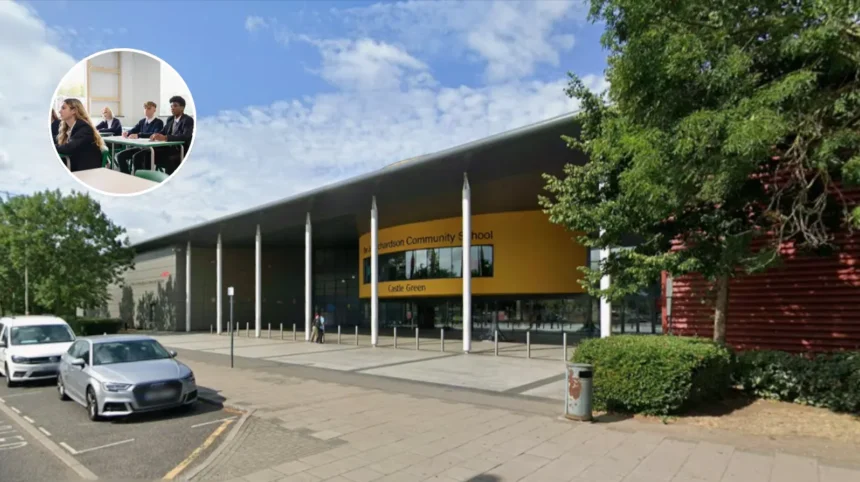
In London, boroughs like Westminster and Kensington reported lower rates around 70 per cent, per comparative analyses from the Evening Standard. Barking and Dagenham’s edge stems from proactive place-planning, including expansions at local comprehensives such as Jo Richardson Community School and Eastbury Community School.
The LBBD council emphasised:
“Every child who applied on time has been made a single offer of a school place for September 2026.”
This universal coverage contrasts with pockets of shortfall elsewhere, such as in outer London boroughs facing demographic surges.
Why Is Parental Application Timing Critical?
Councillor Saima Kauser warned:
“Parents who did not list any preferences or who did not apply for a school place are strongly urged to contact our admissions team as soon as possible on 020 8270 4901 or by emailing [email protected] as there may still be places available at their preferred schools.”
This appeal addresses the 5 per cent who received alternative offers, highlighting the risks of missing the October 31 deadline.
Journalist Rachel Summers of the East London Times reported that timely submissions enable the council’s algorithm to optimise matches, stating:
“The co-ordinated scheme ensures fairness by processing all applications centrally.”
Late applicants face reduced choices, though the council maintains a fair access protocol mandating local offers.
National guidance from the DfE reinforces this, noting that 98 per cent of on-time applicants secure an offer, versus lower rates for late entries.
What Challenges Do Rising Pupil Numbers Pose?
England’s pupil population is projected to peak in 2026 before stabilising, per DfE forecasts, with secondary intakes up 12,000 nationally. In Barking and Dagenham, diverse communities and housing growth amplify demand, yet the borough’s 77.4 per cent success rate reflects strategic expansions.
As covered by education correspondent Mark Thompson in the Romford Recorder, neighbouring Havering achieved 75 per cent first preferences, crediting similar planning but trailing Barking and Dagenham. LBBD’s model involves annual forecasting and partnerships with multi-academy trusts.
Councillor Kauser affirmed:
“We will continue to work tirelessly to maintain these high standards and ensure every child has access to an excellent education close to home.”
Who Are the Key Figures and Schools Involved?
Councillor Saima Kauser emerges as the central voice, representing Labour-led LBBD’s education portfolio. Her statements, as quoted across council channels and local media, emphasise equity and parental responsibility.
Popular first-choice schools include Barking Abbey School, a high-performing academy, and Loxford School, known for inclusive practices, per admissions data breakdowns. The council’s scheme covers 20+ secondary institutions, ensuring proximity—most pupils travel under two miles.
What Happens Next for Unsatisfied Families?
Offers were emailed and posted on March 4, 2026, with acceptance due by March 17. Families holding multiple offers must rank preferences via the portal. Appeals open for any school, with independent panels reviewing cases.
The LBBD admissions team, contactable at [email protected], handles queries. As noted by Ilford Recorder staff writer Aisha Patel:
“Vacancies arise from withdrawals, offering hope to late applicants.”
Nationally, the Schools Adjudicator oversees disputes, upholding statutory guidance.
How Does This Reflect Broader Education Trends in East London?
Barking and Dagenham’s success bucks regional trends of place shortages, as reported in Newham’s 72 per cent rate by the Stratford Express. Factors include stable funding, Ofsted-rated “good” or better schools (85 per cent locally), and community cohesion.
This positions the borough as a model, potentially influencing policy. Councillor Kauser concluded: “Our children deserve the best start, and we’re delivering.”