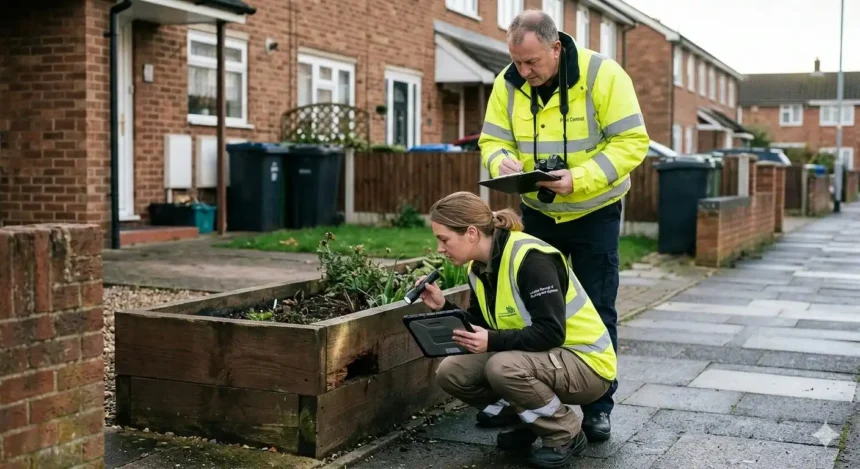
To report a rat or pest infestation in Barking and Dagenham, contact the London Borough of Barking and Dagenham Council’s Pest Control service directly through their online reporting form or designated channels. Local residents in Barking and Dagenham should provide details like the location, signs of infestation, and any photos for a prompt investigation. This ensures council officers can assess and address the issue efficiently under UK public health guidelines.
Why This Issue Matters to Local Residents
Rat and pest infestations pose serious risks to health and daily life in East London boroughs like Barking and Dagenham, Newham, Tower Hamlets, Hackney, Waltham Forest, and Redbridge. These rodents spread diseases such as leptospirosis through their urine, droppings, and bites, which can contaminate food and water sources in homes and communal areas. Beyond health threats, pests damage property by gnawing wires, insulation, and structures, leading to costly repairs for residents.
In densely populated areas of East London, infestations often spread quickly between properties, affecting neighbours and local communities. Overgrown gardens, accumulated waste, or poor food storage exacerbate the problem, turning minor issues into borough-wide concerns. Addressing reports swiftly helps maintain safe living environments for families, children, and vulnerable groups across these councils.

Step-by-Step Actions to Solve the Problem
Follow these clear steps to report a rat or pest infestation effectively and get resolution.
- Identify the signs: Look for droppings (dark, rice-sized for rats), gnaw marks, greasy rub marks along walls, or unusual noises like scratching at night.
- Check the location: Determine if the issue is on your private property, a neighbour’s land, public spaces, or council housing.
- Gather evidence: Take clear photos or videos of sightings, droppings, or damage, noting the date, time, and exact spot.
- Attempt neighbourly resolution first: If pests seem to originate from a neighbour’s property, politely discuss the issue and suggest joint action like bin securing.
- Submit the report: Use the Barking and Dagenham Council online form for pests or call their general service line during office hours for guidance.
- Monitor and follow up: Keep a log of sightings and council responses for your records.
These actions align with procedures in East London councils, ensuring legal compliance and faster council intervention.
Which Council Service Handles It
In Barking and Dagenham, the Pest Control team within the Environment and Neighbourhood Services department manages rat and pest reports. This service covers public land, highways, and certain private properties where public health is at risk. For residents in council housing, contact your housing officer alongside the main pest control service.
Neighbouring boroughs have similar setups: Newham Council handles via their Environmental Health team, Tower Hamlets Council through Public Protection, Hackney Council via Pest Control Officers, Waltham Forest under Neighbourhood Services, and Redbridge through Environmental Services. Each East London council prioritises statutory nuisance cases under the Public Health Act 1936, distinguishing between private and public infestations.
Information or Documents Needed
Councils require specific details to investigate efficiently, avoiding delays in processing your report.
Provide your full name, address, contact number, and email for follow-up. Describe the infestation: type of pest (rats, mice, cockroaches), number sighted, duration, and affected areas like kitchen, garden, or loft.
Include the exact location address if reporting a neighbour or public spot. Attach photos or videos showing evidence—this strengthens your case significantly. No formal documents like ID are needed upfront, but tenancy agreements help if you’re in rented or council property.
Expected Response Time
Barking and Dagenham Council typically acknowledges reports within 3-5 working days, with urgent public health cases prioritised sooner. An officer may visit within 10 working days to inspect, set bait, or advise on treatments. Response varies by severity: multiple sightings or health risks prompt faster action.
Across East London councils, aim for 1-2 weeks for initial assessment, though peaks in complaints (like winter surges) may extend this. Private properties take longer if neighbour cooperation is needed first. Track progress via your report reference number.
What to Do If Follow-Up Is Required
If no action follows your initial report, chase politely after the expected timeframe using your reference number. Email or call the Pest Control team to request an update, providing any new evidence like additional photos.
Escalate to a senior Environmental Health Officer if delays persist beyond 20 working days. For persistent issues crossing boroughs, involve multiple East London councils simultaneously. Keep records of all communications to support your case.
Rights and Responsibilities Under UK Rules
Under the Public Health Act 1936 and Environmental Protection Act 1990, councils must investigate statutory nuisances like severe pest infestations harmful to health. Residents have the right to a fair investigation and remedial action, such as baiting on public land at no cost.
Your responsibilities include cooperating with officers, allowing access for inspections, and preventing attraction—secure bins, clear waste, and avoid feeding birds excessively. Landlords must treat infestations in rental properties under the Housing Act 2004. Failure to comply with council notices can lead to fines, ensuring shared accountability.
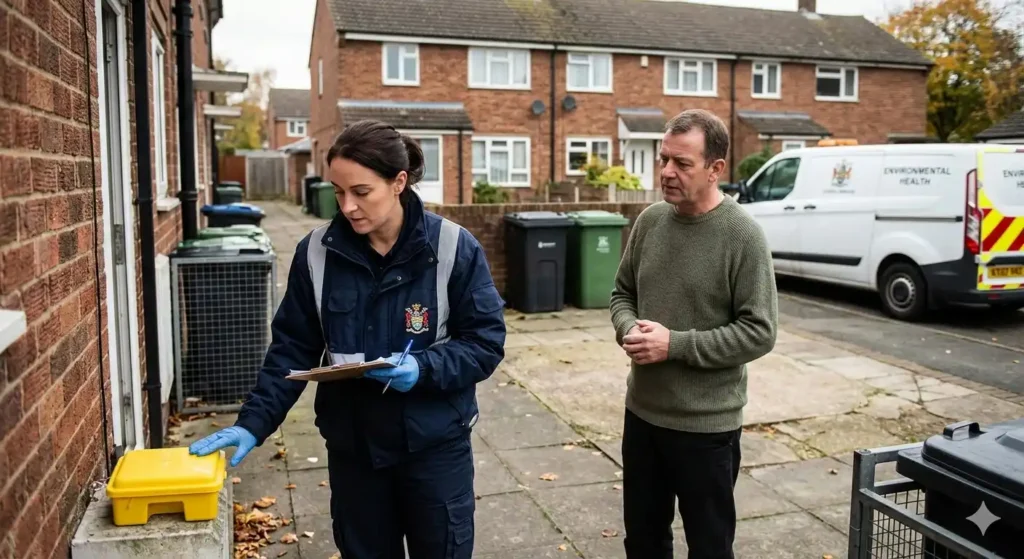
Practical Tips to Avoid the Problem in Future
Prevent future infestations with these straightforward habits tailored for East London homes.
Seal gaps in walls, doors, and drains larger than 6mm using steel wool or caulk, as rats squeeze through tiny spaces. Store food in airtight containers and dispose of waste promptly in secure bins—double-bag rubbish to deter scavenging.
Maintain gardens by trimming overgrowth and removing debris piles, which harbour nests. Fix leaks promptly, as water attracts pests. In flats or terraces common in Barking and Dagenham, coordinate with neighbours for communal clean-ups.
Use ultrasonic repellents or professional proofing for high-risk properties. Regular checks in lofts and under floors catch issues early. These steps reduce recurrence, supporting efforts by local councils like Newham Council and Tower Hamlets Council.
Rat and pest problems affect thousands of East London residents yearly, but prompt reporting empowers quick fixes. By understanding procedures across Barking and Dagenham, Hackney, and beyond, you protect your home and community effectively.
Can you report someone for having rats?
Yes. If rats or other pests are coming from a neighbouring property, you can report the issue to London Borough of Barking and Dagenham Council. The council can investigate and require the property owner to deal with the infestation.
Who do you contact to report rats in Barking and Dagenham?
You should contact the Environmental Health or Pest Control team at London Borough of Barking and Dagenham Council. Reports can usually be made online, by phone, or through the council’s website.
Can the council force someone to deal with rats?
Yes. If the infestation poses a public health risk, London Borough of Barking and Dagenham Council can issue a notice requiring the property owner or landlord to take pest control measures.