Key Points
- A mother recovering from a C-section in a Hackney Council homeless hostel was denied visitors for a full week, leaving her without family support post-surgery.
- The homelessness charity Shelter has criticised Hackney Council’s visitor restrictions on homeless hostels as “excessive” and called for them to be relaxed, particularly for vulnerable families and children.
- Hackney Council faces growing pressure to review its guest policy for temporary accommodation hostels amid concerns over isolation of residents.
- Similar past incidents include a mother in 2023 who, after a Caesarean section, was housed on the second floor of a Hackney hostel and barred from visitors, as shared at a Healthwatch Hackney meeting.
- Shelter urges easing restrictions specifically for children and families in temporary accommodation to allow essential support networks.
- Broader context reveals Hackney Council’s ongoing challenges with homelessness, managing London’s largest temporary hostel stock amid rising demand.
- Residents in Hackney hostels have reported health deterioration, mental health issues for children due to cramped conditions, and suicidal thoughts from isolation.
- The council has invested in modernising some hostels, like the Lanark Road facility for mothers, but criticisesms persist over policies.
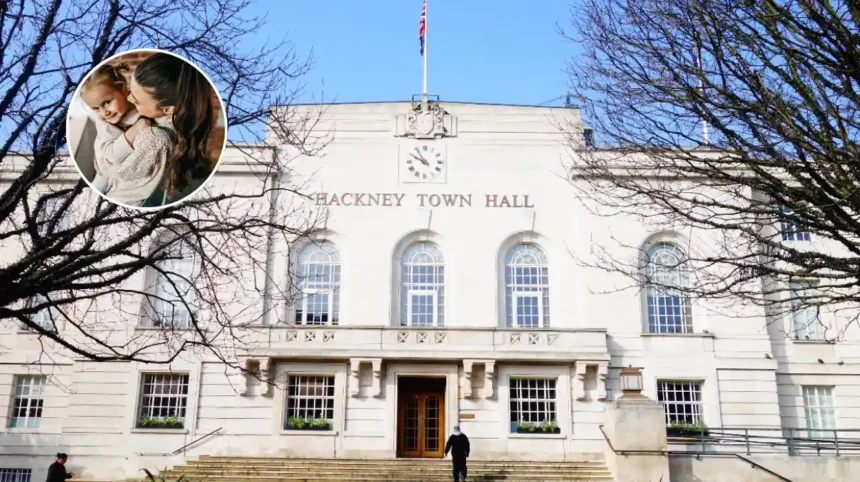
Hackney (East London Times) March 13, 2026 – A mother in temporary accommodation run by Hackney Council was prevented from receiving visitors for a week following a Caesarean section, prompting sharp criticism from the homelessness charity Shelter, which described the council’s hostel visitor rules as “excessive”. The incident has ignited calls for Hackney Council to loosen its restrictions on guests in homeless hostels, particularly for vulnerable new mothers and families. Shelter’s intervention highlights ongoing concerns about isolation in the borough’s temporary housing amid London’s homelessness crisis.
- Key Points
- What Happened to the Mother After Her C-Section?
- Why Is Shelter Calling the Restrictions ‘Excessive’?
- What Are Hackney Council’s Visitor Rules for Homeless Hostels?
- Has This Happened Before in Hackney Hostels?
- How Does Hackney Council Address Homelessness Accommodation?
- What Broader Health Impacts Do Hostel Residents Face?
- What Are the Calls for Change?
- Why Does This Matter for East London Communities?
What Happened to the Mother After Her C-Section?
The core of the story centres on a new mother placed in a Hackney Council-managed homeless hostel immediately after undergoing a C-section. According to reports from the Hackney Citizen, she was denied any visitors for seven days, despite the physical and emotional demands of post-surgical recovery and newborn care.
This left her without essential family help, exacerbating her vulnerability in what should have been a supportive environment.
As detailed in the Hackney Citizen article published on 13 March 2026, the charity Shelter highlighted this case as emblematic of overly stringent policies. Shelter stated that such restrictions prevent vital support networks from assisting residents at critical times.
The mother’s plight echoes a 2023 testimony at a Healthwatch Hackney meeting, where another mother recounted being housed on the second floor of a hostel post-Caesarean and
“barred from having any visitors to come and help her with the new baby,”
as reported by Healthwatch Hackney.
Why Is Shelter Calling the Restrictions ‘Excessive’?
Shelter, a leading UK homelessness charity, has directly urged Hackney Council to “ease restrictions on its guest policy for children and families in temporary accommodation,” according to a MyLondon News Facebook post.
The charity labelled the rules “excessive,” arguing they unduly isolate residents who need family or community backing. In their view, the policy fails to account for exceptional circumstances like post-operative recovery or childcare needs.
As reported by an unnamed journalist at the Hackney Citizen, Shelter criticised the blanket approach, stating it hinders rather than helps those in crisis. This stance aligns with broader advocacy, where Shelter emphasises flexible visitor allowances to mitigate the harms of hostel living.
The charity’s comments come amid Hackney Council’s management of over 3,000 homeless households, the largest temporary hostel stock in London.
What Are Hackney Council’s Visitor Rules for Homeless Hostels?
Hackney Council’s policy on visitors to hostel accommodation has been described in a report titled
“Policy vs. People: The Hidden Harms of Hostel Visitor Rules,”
which calls for an urgent review due to its damaging effects. Specific details from the primary Hackney Citizen coverage indicate strict limits, such as the one-week denial in this case, aimed at maintaining security and order in shared facilities.
However, the exact policy parameters—such as hourly limits or approval processes—were not fully outlined in available reports, though they apply borough-wide to temporary housing for homeless people.
Councillor Jonathan McShane, Hackney Council’s cabinet lead for health and social care, addressed related housing woes at the 2023 Healthwatch meeting, sharing his own childhood experience in temporary hotel accommodation and expressing shame over current conditions. The council has defended similar measures in the past, as Cllr Sophie Linden stated in 2015 regarding Public Space Protection Orders:
“The PSPO is not about ‘criminalising the homeless’. Anyone sleeping rough in Hackney is always offered the support and help that they need.”
No direct council response to this specific incident was quoted in the sources.
Has This Happened Before in Hackney Hostels?
Yes, this is not an isolated event. At a January 2023 Healthwatch Hackney event on health and housing, residents shared “harrowing stories” of health decline in substandard temporary housing. One mother described her teenage son becoming “isolated and depressed” from sharing a bedroom, ashamed to invite school friends. The post-C-section visitor ban mirrors the current case precisely.
Former Hackney councillor Saleem Siddiqui blamed the national government for the housing crisis scale at that meeting. Hackney Council’s James Sanderson discussed efforts to prevent evictions among vulnerable tenants. Healthwatch Hackney planned a follow-up report based on these testimonies. These recurring issues underscore persistent policy shortcomings.
How Does Hackney Council Address Homelessness Accommodation?
Hackney Council manages significant temporary housing resources, providing accommodation to more than 3,000 households—the largest hostel stock in London—amid a 45% rise in homelessness approaches since 2017. In a positive development, the council refurbished a run-down building in Seven Sisters into modern accommodation for homeless women, including pregnant mothers and those with babies.
Rekah, a resident at the Lanark hostel for two months, praised the upgrades:
“Everything is all good here – it’s excellent. We have a toilet, it’s very tidy inside and newly furnished, and the kitchen is nice. My window has a park view!”
She added:
“I was given an eviction notice and the Council helped me find this place. If the Council didn’t help I don’t know what I would have done.”
The facility includes 14 self-contained rooms with ensuites, kitchenettes, CCTV, and on-site managers.
Cllr Sade Etti, Mayoral Advisor for Homelessness, Housing Needs and Rough Sleeping, noted: “Increasing the supply of suitable in-borough temporary accommodation and genuinely affordable housing in the borough is a priority.” Despite these efforts, demand outstrips supply, fuelling criticisms like Shelter’s.
What Broader Health Impacts Do Hostel Residents Face?
Hostel life in Hackney has severe repercussions, as residents at the Healthwatch meeting reported becoming suicidal from conditions. Mothers highlighted mental health damage to children from cramped spaces. One said: ‘He is isolated and depressed. He is ashamed to invite friends from school because they will see he has to share a bedroom with his mum.’
The visitor restrictions compound isolation, particularly post-surgery. Healthwatch Hackney’s upcoming report will delve deeper into health-housing links. Nationally, homelessness policies have drawn ire, with past Hackney PSPO defences emphasising support over punishment.
What Are the Calls for Change?
Shelter’s primary demand is policy relaxation for families and children. The “Policy vs. People” report echoes this, spotlighting “hidden harms.” Advocacy groups like Healthwatch continue lobbying via reports and meetings.
Hackney offers homelessness prevention advice online. Cllr Sophie Linden previously affirmed: “People were understandably concerned… but the order was never intended to punish people who have fallen on hard times.” As pressure mounts, the council may respond to Shelter’s critique.
Why Does This Matter for East London Communities?
In East London boroughs like Hackney, homelessness strains resources and affects community wellbeing. Cases like this mother’s spotlight policy flaws impacting vulnerable groups, including new parents. With rising evictions and demand, balanced rules balancing security and humanity are crucial.
Journalists and charities play key roles in accountability, as seen in Hackney Citizen’s coverage and Shelter’s advocacy. Residents like Rekah value council aid but need policy tweaks. This story, reported across outlets, urges reform for compassionate housing support.