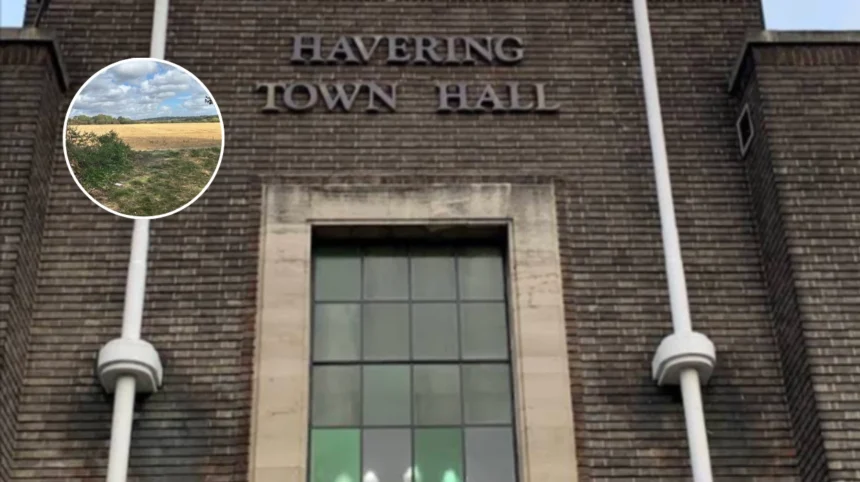
Key Points
- Havering Residents Association (HRA) expresses residents’ fears regarding the potential loss of the Green Belt due to government policies.
- Deputy Leader of Havering Council, Councillor Gillian Ford, wrote in the Havering Daily about government changes overriding local democratic processes.
- Government announced a shortlist of seven new towns for development: Enfield, Greater Manchester, Greenwich, Bedfordshire, South Gloucestershire, Buckinghamshire, and West Yorkshire, each to deliver a minimum of 10,000 homes, with some up to 40,000, aligning with the aim to build 1.5 million homes.
- Introduction of ‘grey belt’ land, defined as areas not strongly contributing to Green Belt purposes, increasing pressure on Havering’s green sites.
- Growing need for battery storage due to green energy shifts like solar and wind power, adding further pressure on the Green Belt.
- Government reclassified data centres as ‘national infrastructure’, heightening development risks.
- Councillor Gillian Ford spoke at the Green Forum Hustings earlier this week, highlighting pressures on councils from Green Belt developments.
- Councillor Ford described the Green Belt as “Havering’s jewel in the crown” and noted the borough’s reputation for green and open spaces, making it a target for development.
- Existing ‘Very Special Circumstances’ regulations have worked for years but face threats from legislative changes, technological demands, and energy shifts.
- HRA has protected sites by securing 14 Village Greens and pledges to continue doing so.
- Challenges persist for all parties in protecting Green Belt amid changing global needs, demands, and pressures.
- HRA commits to challenging inappropriate developments, lobbying against them, ensuring residents’ voices are heard, and incorporating mitigations where development proceeds.
Havering (East London Times) March 24, 2026 – Residents in Havering are voicing growing concerns over the potential erosion of the borough’s cherished Green Belt, as highlighted by the Havering Residents Association (HRA) and Deputy Leader of Havering Council, Councillor Gillian Ford. In a statement published today in the Havering Daily, Councillor Ford warned that recent government policies on Green Belt development are overriding local democratic processes, placing significant pressure on Havering’s open spaces. This comes amid national announcements of new towns and shifts in land use classifications that could transform protected areas.
- Key Points
- What Government Changes Are Overriding Local Democracy?
- Why Have Data Centres Been Reclassified?
- What Did Councillor Ford Say at the Green Forum Hustings?
- How Is the HRA Protecting Local Sites?
- What Pressures Are Battery Storage and Green Energy Exerting?
- How Do New Towns Impact Havering?
- What Challenges Lie Ahead for All Parties?
- Why Is Havering’s Green Belt Called Its ‘Jewel in the Crown’?
The government’s shortlist of seven new towns—Enfield, Greater Manchester, Greenwich, Bedfordshire, South Gloucestershire, Buckinghamshire, and West Yorkshire—each earmarked for at least 10,000 homes, with some scaling up to 40,000, forms part of a broader ambition to deliver 1.5 million homes across the country. As reported directly from Councillor Ford’s piece in the Havering Daily, these plans introduce the concept of ‘grey belt’ land—defined as areas that do not strongly contribute to traditional Green Belt purposes—exacerbating risks to sites in Havering.
What Government Changes Are Overriding Local Democracy?
Councillor Gillian Ford, Deputy Leader of Havering Council, wrote explicitly in the Havering Daily:
“Government changes to building on the greenbelt is overriding the local democratic process.”
This assertion underscores a perceived shift where national housing targets supersede borough-level planning decisions. The HRA echoes these fears, positioning itself as a defender of local interests against top-down mandates.
The introduction of ‘grey belt’ categorisation, as detailed in Councillor Ford’s Havering Daily article, targets land deemed less essential to Green Belt objectives, potentially unlocking it for housing. This policy aligns with the government’s 1.5 million homes pledge but alarms local groups like the HRA, who see it as a direct threat to Havering’s character.
Furthermore, the push towards green energy introduces demands for battery storage systems to support intermittent sources like solar and wind power. Councillor Ford noted in the Havering Daily that this
“will place huge pressure on some of Havering’s green belt sites,”
compounding the challenges.
Why Have Data Centres Been Reclassified?
In a significant policy pivot, the government has elevated data centres to the status of ‘national infrastructure’, as outlined by Councillor Gillian Ford in her Havering Daily contribution. This reclassification, she argues, circumvents traditional planning hurdles, making Green Belt sites more vulnerable to such developments.
Councillor Ford elaborated during her speech at the Green Forum Hustings earlier this week, a point reiterated in the Havering Daily:
“The current regulations around Very Special Circumstances has worked for many years but we have seen some changes in legislation, technological demands and energy shifts that threaten the green belt.”
This change prioritises digital economy needs over local environmental protections, according to her assessment.
The HRA’s statement aligns with this view, emphasising that while they control certain sites, broader national designations limit their influence.
What Did Councillor Ford Say at the Green Forum Hustings?
Councillor Gillian Ford addressed the Green Forum Hustings earlier this week, outlining the multifaceted pressures on councils regarding Green Belt developments. As quoted in the Havering Daily from her remarks:
“The green belt is Havering’s jewel in the crown, and we are known for our green and open spaces. That places the borough at risk of being a target for development.”
She continued:
“The current regulations around Very Special Circumstances has worked for many years but we have seen some changes in legislation, technological demands and energy shifts that threaten the green belt.”
This candid assessment highlights the tension between legacy protections and modern imperatives.
Councillor Ford’s words, as reported in the Havering Daily, frame Havering’s Green Belt not just as land, but as a defining asset that draws residents and preserves the borough’s identity.
How Is the HRA Protecting Local Sites?
The HRA has taken concrete action by securing 14 Village Greens, sites over which they hold protective powers. In their official statement, shared via the Havering Daily context, the HRA affirmed:
“The HRA have been protecting sites we have the power to control, securing 14 Village Greens and will continue to do so.”
Despite these efforts, the association acknowledges limitations:
“However, there are challenges for all parties in protecting green belt land when the world is changing with new needs demands and pressures.”
This balanced admission reflects a pragmatic approach amid evolving circumstances.
The HRA’s commitment extends to advocacy, as they pledge:
“The HRA will continue to challenge and lobby against development we see as inappropriate, and where development cannot be stopped, we will ensure residents voices are heard and appropriate mitigations are incorporated.”
What Pressures Are Battery Storage and Green Energy Exerting?
The transition to renewable energy sources like solar and wind necessitates large-scale battery storage, which requires land. Councillor Gillian Ford highlighted in the Havering Daily:
“Alongside this in the move to green energy the need for battery storage as solar and wind power require storage, contributing to further pressures on the green belt.”
This development need intersects with housing and infrastructure demands, creating a perfect storm for Green Belt areas. Havering’s abundance of open spaces makes it particularly susceptible, as Councillor Ford noted at the Hustings.
Residents’ fears, channelled through the HRA, centre on a cumulative loss of green lungs that could alter the borough’s landscape irreversibly.
How Do New Towns Impact Havering?
Yesterday’s government announcement of seven new towns—Enfield, Greater Manchester, Greenwich, Bedfordshire, South Gloucestershire, Buckinghamshire, and West Yorkshire—sets a precedent for mass housing. Each is projected to deliver at least 10,000 homes, with upper estimates reaching 40,000, feeding into the 1.5 million homes target.
While Havering is not on the shortlist, Councillor Ford’s Havering Daily piece warns of ripple effects: the ‘grey belt’ policy could draw similar developments to boroughs like Havering. The HRA shares these concerns, viewing it as part of a pattern eroding local control.
This national strategy, though aimed at addressing housing shortages, amplifies local anxieties about overdevelopment.
What Challenges Lie Ahead for All Parties?
The HRA’s statement recognises shared difficulties:
“There are challenges for all parties in protecting green belt land when the world is changing with new needs demands and pressures.”
Councillor Ford’s writings in the Havering Daily reinforce this, pointing to legislative, technological, and energy shifts.
Neutral observers note that balancing national growth with local preservation requires nuanced policy. The HRA’s dual strategy—protection where possible, mitigation where inevitable—offers a model for community engagement.
Residents’ voices, as vowed by the HRA, must remain central to any proceedings.
Why Is Havering’s Green Belt Called Its ‘Jewel in the Crown’?
Councillor Gillian Ford encapsulated this at the Green Forum Hustings, as quoted in the Havering Daily:
“The green belt is Havering’s jewel in the crown, and we are known for our green and open spaces.”
This reputation positions the borough as both an asset and a vulnerability.
The 14 Village Greens secured by the HRA exemplify ongoing stewardship. Yet, as pressures mount, sustaining this status demands vigilance from residents, council, and association alike.