Walk down the high streets of Stratford, Barking, or East Ham on a Tuesday morning, and you are witnessing the true engine of the East London economy. Between the vibrant fabric shops, the independent grocers, and the tech start-ups in converted warehouses, these small and medium-sized enterprises (SMEs) are the lifeblood of our community. They provide the jobs, the character, and the social mobility that define our corner of the capital. Yet, when the conversation turns to “sustainability,” a visible tension often enters the room. For many of these business owners, the green agenda feels less like a shared mission and more like an elite club they haven’t been invited to join.
The uncomfortable truth is that sustainability is currently failing our small businesses—not because they lack the will to change, but because the system was never designed with them in mind. Across London, SMEs account for over 99% of all businesses. In boroughs like Newham and Tower Hamlets, where entrepreneurship is a primary route to economic independence, these firms are essential. However, they operate on razor-thin margins, navigating the triple threat of rising commercial rents, energy costs, and staffing shortages. In this high-pressure environment, a twenty-page ESG reporting framework feels like a luxury for those who have the time to breathe, let alone the resources to hire a dedicated consultant.
When I speak to local café owners or independent logistics operators near the Royal Docks, a consistent story emerges. They care deeply about their local environment; they see the litter on the streets and the impact of air quality on their families. But they are drowning in jargon. Most sustainability frameworks are built for the FTSE 100—organisations with entire departments dedicated to carbon accounting and supply chain auditing. For a family-run restaurant in East Ham, being told to “map their Scope 3 emissions” is not helpful advice; it is a barrier to entry. This disconnect leads to “box-ticking” to meet the bare minimum requirements, or total disengagement because the goal feels unattainable.
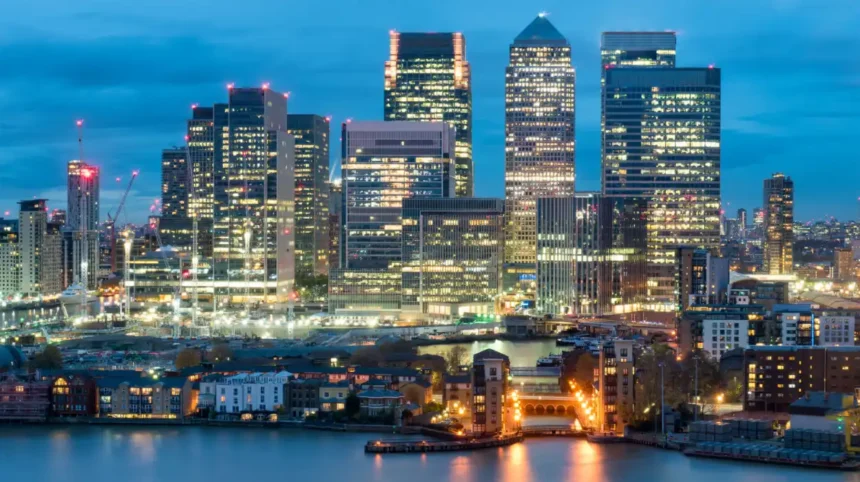
Small businesses are not the problem; they are the most potent part of the solution. Because of their size, they are inherently more agile than the corporate giants at Canary Wharf. A local retailer can change their packaging supplier in a week. A small workshop can implement a waste-reduction scheme overnight. The potential for collective impact across East London is staggering, but it requires a radical shift in how we approach the “green” transition.
The most critical fix is to stop treating sustainability as a moral obligation and start treating it as a survival strategy. Consider the story of a small bakery I visited recently in Leyton. They were struggling with the cost of refrigeration and waste disposal. Instead of looking for a “sustainability certification,” they focused on one specific, surprising change: radical simplification of their supply chain. By switching to a single local flour mill and investing in a high-efficiency modular cooling system, they didn’t just lower their carbon footprint; they slashed their monthly overheads by 15%. This wasn’t “going green” for the sake of a badge; it was a strategic move that made the business more resilient. When sustainability is framed as “efficiency that pays,” the conversation changes instantly.
To make this work for the rest of East London, we need to move away from the “slide deck” approach of vague recommendations. We don’t need more “leadership” or “collaboration” in the abstract. We need a “Three-Step Rule” for every sector. For a retail shop, that might mean switching to LED lighting, auditing one major supplier, and implementing a digital-only receipt system. By making the targets granular and achievable, we remove the paralysis of choice that currently stalls so many well-meaning owners.
The global climate crisis is often discussed in terms of international treaties and billion-dollar investments. But the real transition will happen on our high streets, in our workshops, and within the growing enterprises that make East London so dynamic. If we can bridge the gap between corporate ambition and small-business reality, sustainability will stop being a burden and start being the engine that helps our local economy thrive for the next generation.
I want to hear from the front lines: If you’re an East London business owner who has tried to go green but hit a wall—whether it was the cost, the paperwork, or the lack of clear advice—what exactly stopped you? Send me your stories, and let’s start building a roadmap that works for the high street.