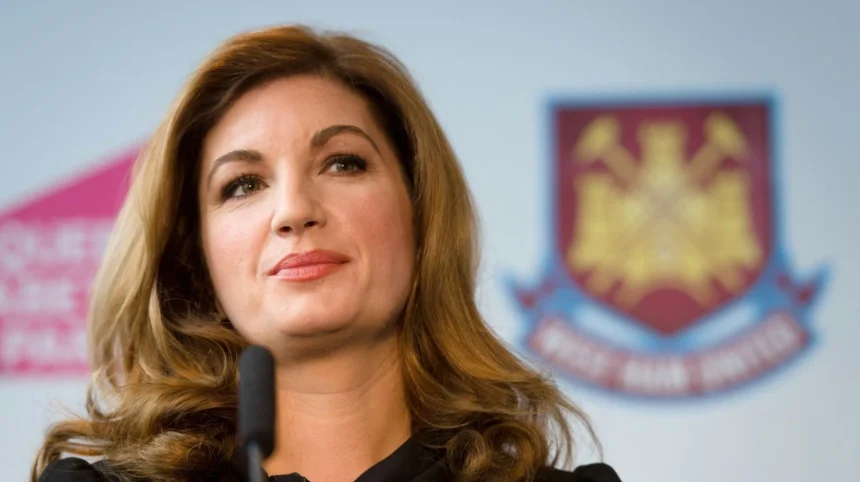
Karren Brady’s potential exit from West Ham United in 2026 marks the end of a turbulent chapter for the club. The Baroness, who has served as vice-chair since 2010, faces mounting pressure amid record financial losses and fan discontent. Speculation about her resignation has intensified, with reports suggesting she may step down within weeks. This article explores the key factors behind her departure, from the club’s dire accounts to the influence of internal politics and the loss of a key ally.
A Legacy Under Scrutiny
Brady’s tenure at West Ham has been defined by both success and controversy. She joined the club following the takeover by David Sullivan and David Gold, playing a pivotal role in the move from the Boleyn Ground to the London Stadium. Her leadership helped stabilize the club after their relegation in 2011, laying the groundwork for a return to the Premier League. However, her tenure has also been marred by criticism over squad management, fan relations, and financial decisions. The club’s recent financial reports reveal losses exceeding £100 million, fueling calls for accountability.
The Role of Financial Pressures
The club’s financial woes have been a central factor in the calls for Brady’s resignation. West Ham’s latest accounts, expected to be released in late February 2026, highlight significant losses. These financial struggles have been attributed to a combination of high player salaries, transfer fees, and the costs associated with the London Stadium deal. Fans argue that the board’s focus on commercial ventures has come at the expense of competitive performance. The club’s position in the relegation zone has intensified these concerns, with supporters demanding a change in leadership.
Fan Protests and Internal Pressure
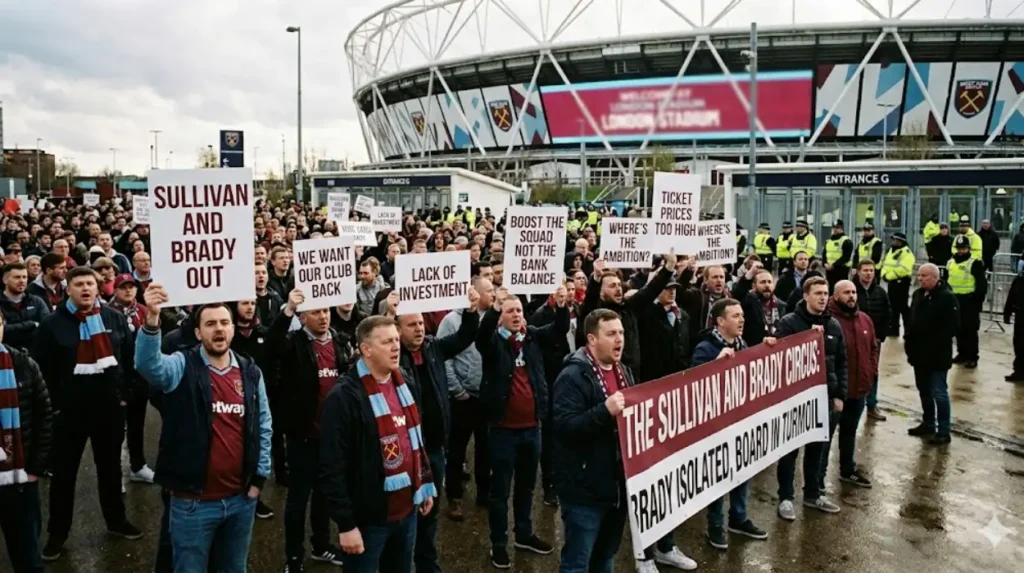
Fan protests have been a consistent feature of Brady’s time at West Ham. Supporters have organized demonstrations outside the London Stadium, calling for the resignation of Sullivan and Brady. The protests have been fueled by dissatisfaction with the matchday experience, ticket prices, and the perceived lack of investment in the squad. The pressure has been compounded by internal boardroom dynamics. The departure of Tara Warren, a long-time ally of Brady, has left the vice-chair isolated. Warren’s appointment to the Independent Football Regulator in December 2025 has been seen as a blow to Brady’s influence within the club.
The Influence of Key Figures
The departure of key figures has played a role in shaping the narrative around Brady’s potential exit. Warren’s move to the Independent Football Regulator has been interpreted as a loss of support for Brady within the boardroom. Additionally, the fan base views the departure of other influential figures as a sign of internal instability. The club’s history is marked by leadership changes, and the current situation reflects this ongoing pattern. The pressure from both fans and internal stakeholders has created a challenging environment for Brady, making her position increasingly untenable.
The Impact on West Ham’s Future
The potential departure of Brady has significant implications for West Ham’s future. Her exit could pave the way for a new leadership structure, with a focus on stabilizing the club’s finances and improving on-field performance. The club’s recent struggles have highlighted the need for a reassessment of strategic priorities. A new leadership team may prioritize fan engagement, investment in youth development, and a more sustainable financial model. The club’s future will depend on the ability of the new leadership to address these challenges and restore confidence among supporters.
The Wider Context
Brady’s potential resignation is part of a broader context of change within English football. The sport has seen increasing scrutiny of club ownership structures and financial practices. The Independent Football Regulator’s role in overseeing club governance has added another layer of complexity. Brady’s departure may be seen as a response to this evolving landscape, with clubs under pressure to demonstrate accountability and transparency. The situation at West Ham reflects the challenges faced by clubs navigating the intersection of commercial interests and sporting performance.
Conclusion
Karren Brady’s potential departure from West Ham United is a significant moment in the club’s history. Her tenure has been marked by both achievements and controversies, reflecting the complex nature of modern football club management. The pressures from financial losses, fan protests, and internal boardroom dynamics have culminated in this critical juncture. The club’s future will depend on the ability of its new leadership to address these challenges and restore the confidence of its supporters. As the situation unfolds, the story of Brady’s departure will continue to be a focal point in the narrative of West Ham United’s journey.