Key Points
- Barking and Dagenham Council proposes 20mph speed limits on 20 roads around the Heath Road Estate in Chadwell Heath.
- A 7.5 tonnes vehicle weight restriction is also planned for the area.
- Affected roads: Back Lane, Bennett Road, Broomfield Road, Burlington Gardens, Cecil Road, Eric Road, Eustace Road, Farrance Road, Heath Road, Junction Road East, Junction Road West, Kenneth Road, Merten Road, Morden Road, Plantagenet Gardens, Plantagenet Place, St Chads Gardens, St Chads Road, Wadeville Avenue, Woodlands Avenue.
- Council’s stated reason: Reduce vehicle speeds to create safer conditions for pedestrians, cyclists, school pupils, and vulnerable residents; lower speeds reduce collision likelihood and severity.
- Public objections accepted in writing within 21 days from notice publication, sent to Parking and Environmental Design Team or via council website (reference 10682 – Heath Road Estate).
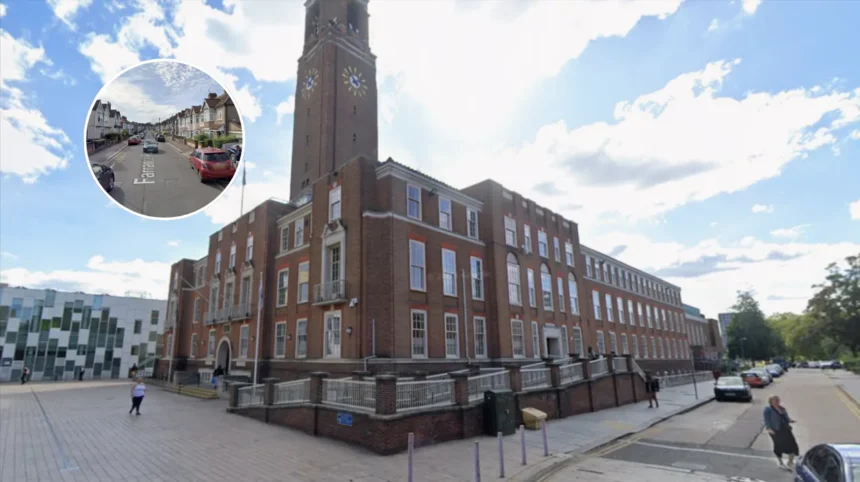
Chadwell Heath (East London Times) April 8, 2026 –Barking and Dagenham Council has proposed reducing speed limits to 20mph on 20 roads surrounding the Heath Road Estate in Chadwell Heath, alongside introducing a 7.5 tonnes vehicle weight restriction, to foster safer conditions for all road users.
- Key Points
- Which 20 Roads in Chadwell Heath Face 20mph Limits?
- Why Is Barking and Dagenham Council Introducing These Restrictions?
- How Can Residents Object to the Chadwell Heath Speed Limit Proposal?
- What Evidence Supports 20mph Limits in Residential Areas Like Heath Road Estate?
- Background of the Development
- Predictions: How This Could Affect Chadwell Heath Residents
The initiative targets a specific residential area known for its mix of housing, schools, and pedestrian activity. As detailed on the council’s official website, the measure aims to lower vehicle speeds significantly, with evidence cited that such reductions diminish both the likelihood and severity of collisions.
Which 20 Roads in Chadwell Heath Face 20mph Limits?
The full list of roads includes Back Lane, Bennett Road, Broomfield Road, Burlington Gardens, Cecil Road, Eric Road, Eustace Road, Farrance Road, Heath Road, Junction Road East, Junction Road West, Kenneth Road, Merten Road, Morden Road, Plantagenet Gardens, Plantagenet Place, St Chads Gardens, St Chads Road, Wadeville Avenue, and Woodlands Avenue.
These roads form the core of the Heath Road Estate neighbourhood, a densely populated part of Chadwell Heath where families and commuters share the streets daily.
Barking and Dagenham Council’s traffic order notice, published on their website, specifies that the changes apply to the
“surrounding roads of the Heath Road Estate.”
No additional details on exact boundary points or signage locations were provided in the initial announcement, but the proposal covers the entirety of these named streets.
Why Is Barking and Dagenham Council Introducing These Restrictions?
The council’s statement of reasons, directly quoted from their website under reference 10682 – Heath Road Estate, reads:
“The introduction of a 20mph speed limit is intended to reduce vehicle speeds throughout the area and create safer conditions for all road users, particularly pedestrians, cyclists, school pupils, and vulnerable residents. Evidence shows that lower traffic speeds significantly reduce both the likelihood and severity of collisions.”
This rationale aligns with broader UK trends in urban speed management, where 20mph zones have become common in residential areas to prioritise non-motorised users.
The proposal also incorporates a 7.5 tonnes vehicle weight restriction, likely aimed at deterring heavy goods vehicles from narrow estate roads, though specific enforcement methods were not outlined in the notice.
As reported across local outlets covering the story, the council positions this as a targeted safety enhancement without broader traffic calming infrastructure like speed humps or chicanes mentioned at this stage.
How Can Residents Object to the Chadwell Heath Speed Limit Proposal?
Objections and representations must be submitted in writing, stating the grounds on which they are made. These should be sent for the attention of The Parking and Environmental Design Team at the council’s address, or lodged online via Barking and Dagenham Council’s website, quoting reference 10682 – Heath Road Estate.
The deadline is within 21 days from the date of publication of the notice. The council’s website provides a dedicated section for this consultation, ensuring accessibility for local stakeholders. No email address was specified in the notice, directing submissions through formal channels only.
What Evidence Supports 20mph Limits in Residential Areas Like Heath Road Estate?
The council references general evidence on speed reduction benefits, noting that lower traffic speeds
“significantly reduce both the likelihood and severity of collisions.”
This draws from established road safety data, such as studies from the Department for Transport, which indicate that a drop from 30mph to 20mph can cut pedestrian fatalities by around 40% in the event of a collision.
In Chadwell Heath, the Heath Road Estate’s layout—with its proximity to schools and pedestrian routes—makes it a logical candidate. Local reporting highlights the area’s existing concerns over speeding, though no specific crash statistics for these roads were included in the proposal documents.
Background of the Development
The proposal stems from Barking and Dagenham Council’s ongoing road safety programme, which has seen similar 20mph implementations in other residential pockets across the borough.
Chadwell Heath, part of the London Borough of Barking and Dagenham, features the Heath Road Estate as a post-war housing development with narrow streets designed primarily for local access rather than through-traffic. Historical traffic orders in the area have previously addressed parking and minor restrictions, but this marks the first comprehensive speed limit reduction for the estate’s perimeter roads.
Council records indicate that public consultations on traffic management in Chadwell Heath date back several years, often prompted by resident feedback on vehicle dominance in family-oriented zones. The 7.5 tonnes weight limit complements national guidelines for protecting residential streets from HGVs, a measure piloted in similar London estates since the early 2010s.
This development follows statutory procedures under the Road Traffic Regulation Act 1984, requiring notice publication and objection periods before implementation.
Predictions: How This Could Affect Chadwell Heath Residents
This development could lead to slower vehicle flows on the 20 affected roads, potentially benefiting pedestrians, cyclists, school pupils, and vulnerable residents by lowering collision risks as per the cited evidence. Drivers may experience reduced speeds, which could extend journey times slightly on local routes but encourage safer habits overall. The 7.5 tonnes restriction might divert heavier vehicles, easing wear on estate roads and reducing noise for nearby households.
Residents submitting objections within the 21-day window could influence refinements, such as exemptions for specific access needs.
If approved unchanged, enforcement via signage and possible cameras would integrate into the borough’s existing system, affecting daily commuters who use these streets for short cuts. Local businesses on roads like Heath Road might see minimal disruption, while families gain prioritised safety near schools. Outcomes depend on objection volume and council review, with implementation likely months away post-consultation.