Key Points
- New figures reveal Havering as one of London’s worst-affected boroughs for grass and outdoor fires, with consistent high rankings in the capital.
- Launders Lane in Rainham recorded 17 fires in 2024 alone, contributing to nearly 200 fires at the site since 2018.
- Firefighters attend Launders Lane more frequently than recorded for flare-ups, smoke reports, and monitoring.
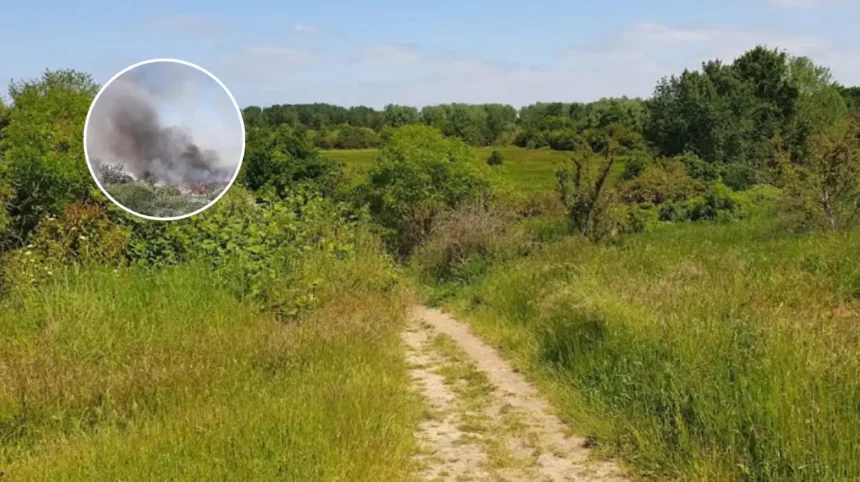
- The first grass fire of the season broke out on Ingrebourne Hill in Rainham yesterday as temperatures rose.
- Residents report impacts from smoke, odours, and uncertainty over burning materials.
- Health experts warn of risks from fine particulate matter and pollutants in smoke, affecting lungs and hearts, especially children, older people, and those with respiratory conditions.
- Havering’s landscape, with large open spaces and urban-rural edges, increases susceptibility during warmer, drier periods.
- Repeated incidents raise questions on environmental management, prevention, and long-term solutions.
- Each fire demands emergency services, straining local resources and causing disruption for residents.
Rainham, Havering (East London Times) April 9, 2026 – The first grass fire of the season erupted on Ingrebourne Hill in Rainham yesterday, heightening concerns as new figures expose Havering’s persistent issues with outdoor blazes, including a hotspot at Launders Lane that saw 17 fires in 2024 alone and nearly 200 since 2018.
Why Has Havering Become a Grass Fire Hotspot in London?
Havering ranks among London’s worst-affected boroughs for grass and outdoor fires, according to data trends reported across multiple outlets. While no single annual total for grass fires in the borough exists in published records, the pattern shows consistent high volumes compared to other areas.
Launders Lane in Rainham stands out as a notorious site. Official figures confirm 17 recorded fires there in 2024, adding to a cumulative total of nearly 200 incidents since 2018. As noted by local reporters, these numbers understate the reality, with firefighters making additional unrecorded visits for flare-ups, smoke reports, and monitoring.
The recent Ingrebourne Hill fire, believed to mark the season’s start amid rising temperatures, has amplified worries. Witnesses described visible flames on the hillside, prompting a swift emergency response.
What Do Residents Say About the Impact of Repeated Fires?
Local residents near these hotspots report more than just flames. Smoke and odours linger, creating ongoing uncertainty about burning materials. For those in Rainham, the effects feel immediate and personal, with disruptions to daily life.
Health experts have highlighted risks from fire smoke, which contains fine particulate matter and pollutants. Inhaled particles can impact lungs and hearts, posing greater threats to children, older people, and individuals with pre-existing respiratory conditions. No formal study quantifies long-term effects specific to Havering, but the frequency of incidents fuels community unease.
Havering’s geography contributes, featuring large open spaces and urban-rural fringes that dry out in warmer weather, making ignition easier. Warmer, drier periods exacerbate this vulnerability.
How Do These Fires Strain Local Resources?
Each incident requires emergency services, diverting crews from other duties and increasing operational demands. In Rainham, repeated callouts to sites like Launders Lane and now Ingrebourne Hill illustrate the resource toll.
Residents express frustration over the yearly recurrence, questioning why preventive measures have not curbed the problem. The concentration of fires in specific areas prompts discussions on environmental management, though no official responses appear in current reports.
As temperatures climb, borough-wide monitoring intensifies. Yesterday’s blaze on Ingrebourne Hill underscores the trend, with no injuries reported but clear signals of an approaching peak season.
Background of the Development
Havering’s issues with grass fires trace back through years of data, with Launders Lane emerging as a focal point since at least 2018. Cumulative incidents nearing 200 at that single site reflect unmanaged vegetation and weather patterns. Broader London trends position the borough high in outdoor fire statistics, driven by its mix of grassland and proximity to urban edges.
The 2024 spike to 17 fires at Launders Lane followed drier summers, setting a precedent. Yesterday’s Ingrebourne Hill event aligns with seasonal rises, as warmer April days dry out fuels. Fire service logs, while not fully public, indicate ongoing vigilance at known hotspots.
Predictions: How This Development Can Affect Havering Residents
This early fire signals potential for increased incidents through spring and summer, directly affecting residents through air quality dips from smoke and odours. Nearby households on Ingrebourne Hill and Launders Lane face repeated disruptions, including road closures and evacuation alerts during responses. Vulnerable groups—children, elderly, and those with respiratory issues—encounter heightened exposure to particulates, possibly worsening health conditions without quantified long-term data. Emergency services strain could delay responses elsewhere in the borough.
Community frustration may grow if patterns persist, impacting local morale and prompting calls for site-specific prevention. Warmer weather forecasts suggest more blazes, extending these effects borough-wide.