Key Points
- Parks across Havering, including St Andrew’s Park in Hornchurch, have been littered with rubbish such as food packaging, drink cans, pizza boxes, bottles, wrappers, and half-eaten food during school holidays amid rising temperatures.
- Bins in these parks are easily accessible and visible, yet remain overflowing with waste piled just inches away.
- The issue stems from groups enjoying food and drink then leaving evidence behind, not limited to young people but across age groups.
- A resident witnessed a man in his 60s dropping litter from his car in a Hornchurch supermarket car park without hesitation.
- Havering Council runs the “respect where we live” campaign to encourage pride in surroundings, but the message has not reached everyone.
- Littering impacts community feelings, attracts pests, damages wildlife, contributes to pollution, and worsens during school holidays and warmer weather due to higher footfall.
- Littering is described as a deliberate choice reflecting dirtiness, laziness, and disregard for community and environment.
- Simple solutions include using bins or taking rubbish home; the article urges residents to treat public spaces like their own homes.
Havering (East London Times) April 10, 2026
- Key Points
- Why Are Havering Parks Covered in Litter After School Holidays?
- Who Is Responsible for Littering in Havering and Is It Just Young People?
- What Are the Impacts of Littering on Havering’s Environment and Community?
- How Can Residents Stop Littering in Havering Parks?
- Background of the Littering Issue in Havering
- Prediction: How This Development Affects Havering Residents
Why Are Havering Parks Covered in Litter After School Holidays?
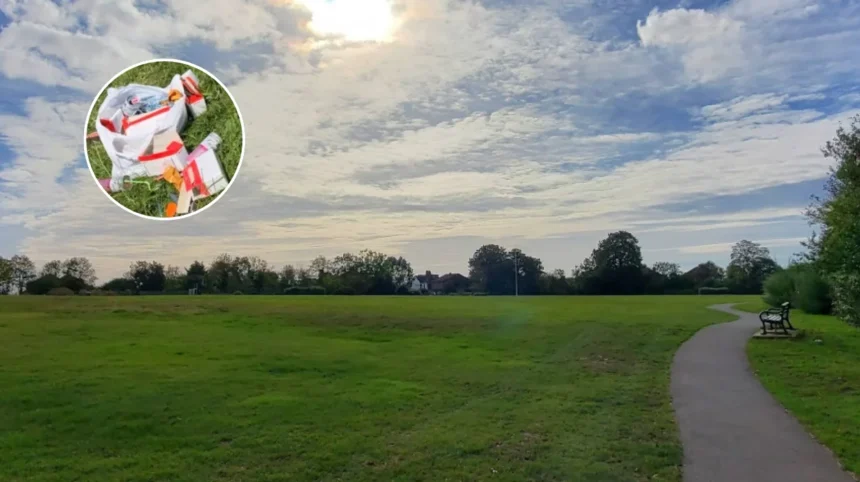
Parks across Havering face a buildup of scattered rubbish, including food packaging abandoned on grass, drink cans tossed aside, and bins overflowing with waste sitting just inches from where it belongs.
The Romford Recorder highlights this trend as families made the most of warmer weather, leaving behind pizza boxes, bottles, wrappers, and half-eaten food.
Residents express frustration over green spaces turning into dumping grounds, with a growing sense that parts of the borough are treated as disposable, assuming someone else will clean up.
St Andrew’s Park in Hornchurch exemplifies the problem, where bins placed throughout the park remain easily accessible and clearly visible, yet rubbish litters the ground.
Groups gather to enjoy food and drink, then walk away, leaving evidence for others to handle.
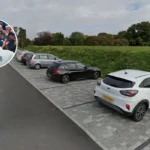
This pattern extends beyond parks to other areas, such as a Hornchurch supermarket car park, where one resident observed a man in his 60s calmly open his car window and drop a handful of litter onto the ground before driving off, with no attempt to hide it or hesitate.
Who Is Responsible for Littering in Havering and Is It Just Young People?
The Romford Recorder stresses that littering cuts across age groups, stating it is not about age but attitude. The piece notes blame does not sit with one group alone, countering any notion that only young people contribute.
The example of the man in his 60s underscores this, showing complete disregard for surroundings regardless of demographics.
Havering Council has responded through its “respect where you live” campaign, which encourages residents to take pride in their surroundings.
Despite these efforts, the message has not fully penetrated, as evidenced by ongoing issues in public spaces.
What Are the Impacts of Littering on Havering’s Environment and Community?
Littering carries significant consequences, as outlined in the Romford Recorder. It affects how people feel about their living areas, attracts pests, damages wildlife, and contributes to pollution. The article points out that it sends a message nobody cares, allowing problems to escalate.
Wider patterns show litter increases during school holidays and warmer periods when parks see higher footfall.
More people using these spaces should be positive, but carelessness turns it otherwise. The Recorder notes exact borough figures are not always published, yet the issue is widely recognised.
Dropping litter is portrayed not as accidental but a deliberate choice—a decision to shirk responsibility. This reflects dirtiness, laziness, and disregard for the community and environment.
How Can Residents Stop Littering in Havering Parks?
Solutions remain straightforward, according to the Romford Recorder: use a bin; if full, take rubbish home. It takes seconds and makes a difference.
The piece draws a parallel—if residents would not throw rubbish on their own floor at home, they should not do so in shared public spaces.
Havering and its residents deserve better, the article concludes, urging people to stop and think before dropping anything. If claiming not to be dirty or lazy, prove it through actions.
This coverage draws directly from the Romford Recorder’s opinion piece, which frames the issue amid closing school holidays.
No additional sources reported conflicting details on this specific incident, maintaining focus on observed trends in Havering parks.
Background of the Littering Issue in Havering
Havering Council’s “respect where we live” campaign forms part of ongoing efforts to address anti-social behaviour, including littering, in the borough. Launched prior to recent school holidays, the initiative promotes community pride amid seasonal pressures like warmer weather, which historically boosts park usage.
St Andrew’s Park in Hornchurch has long served as a key family spot, with bins installed for convenience, yet patterns of overflow and ground litter persist during high-traffic periods. School holidays exacerbate footfall, aligning with national trends where public spaces see intensified waste without proportional cleanup.
The Romford Recorder’s piece reflects resident feedback gathered over weeks, highlighting consistent sightings from parks to car parks.
Prediction: How This Development Affects Havering Residents
Continued littering in Havering parks could erode resident satisfaction with local green spaces, potentially reducing family visits and community cohesion as areas feel neglected. Higher pest activity and wildlife harm might strain council resources for cleanups, diverting funds from other services.
During future holidays or warm spells, unchecked trends may amplify pollution, impacting air and soil quality for park users. Residents relying on these areas for recreation face diminished enjoyment, fostering apathy that perpetuates the cycle. Simple adherence to bin use or take-home practices could preserve accessibility, but persistent disregard risks long-term decline in borough pride and environmental health.