On 12 December 2025, a fatal collision occurred outside Blackhorse Road Underground Station in Walthamstow, East London, killing a 26‑year‑old pedestrian and prompting a Metropolitan Police road‑traffic investigation now focused on possible dangerous driving charges. Public‑transport access, local traffic, and community safety around this junction of Blackhorse Road and Forest Road have remained under scrutiny as the probe continues.
- What happened in the Blackhorse Road fatal crash?
- Who were the people involved in the crash?
- Where exactly did the Blackhorse Road crash occur?
- What is the current status of the police investigation?
- What charges might the driver face and what do they mean?
- How did emergency services respond at Blackhorse Road?
- What does this crash mean for East London road safety?
- How does a fatal‑crash investigation work in the UK?
- What can the public do to support the investigation?
- What are the long‑term implications for Blackhorse Road?
What happened in the Blackhorse Road fatal crash?
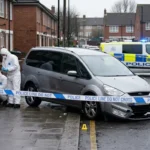
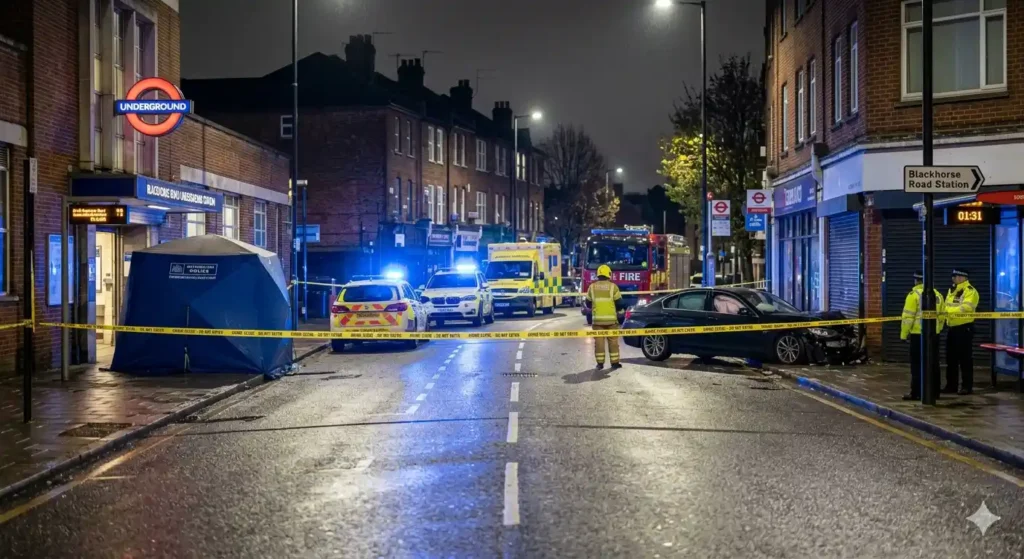
A 26‑year‑old man travelling on foot was fatally struck by a car at the junction of Blackhorse Road and Forest Road, just outside Blackhorse Road Underground Station in Walthamstow, shortly after 12:30 am on Friday, 12 December 2025. The vehicle then collided with a nearby building, sustaining substantial damage, and the driver, a 52‑year‑old man, suffered minor injuries.
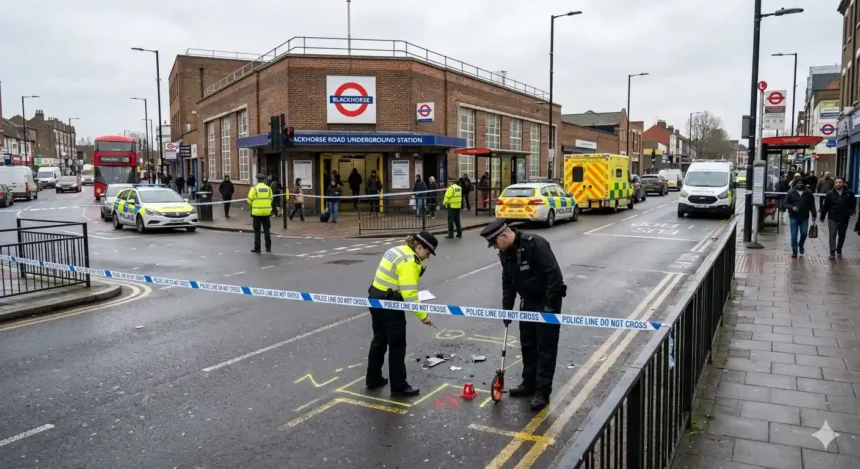
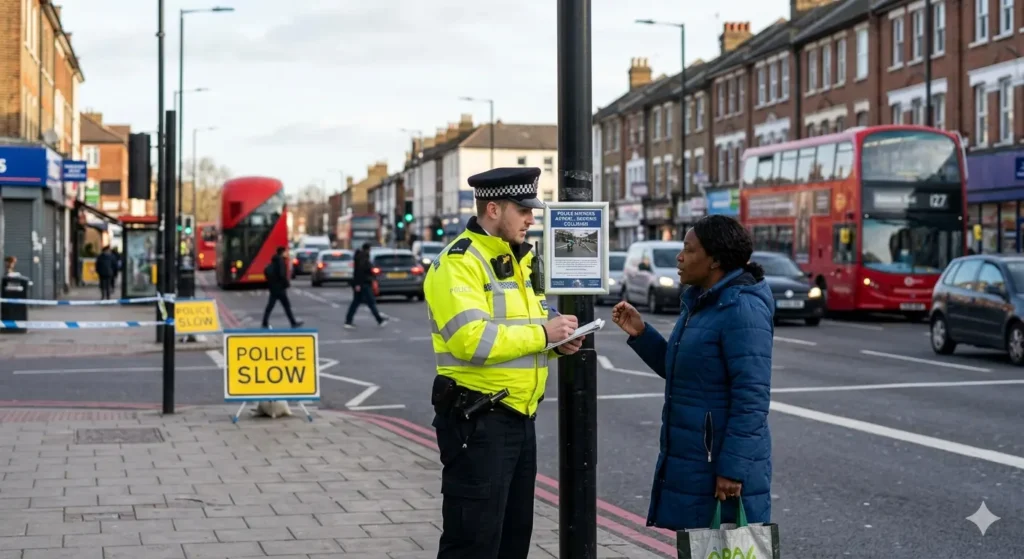
Emergency services dispatched police, London Ambulance Service crews, and the London Fire Brigade to the scene, cordoning off Blackhorse Road and Forest Road to preserve evidence and allow medical treatment. Paramedics treated the pedestrian at the roadside, but he was pronounced dead at 1:04 am, making the incident a fatal road‑traffic collision rather than an survivable injury event.
The junction of Blackhorse Road and Forest Road is a busy, multi‑modal node serving the Victoria line tube station, buses, cyclists, and local residents, which increases the risk severity when collisions occur here. The immediate aftermath involved full road closures, disruption to local bus routes, and temporary closure of station access points, reflecting the scale of the incident.
Who were the people involved in the crash?
The victim was a 26‑year‑old male pedestrian using the street around Blackhorse Road Underground Station at the time of impact, walking on or near the junction of Blackhorse Road and Forest Road in Walthamstow. His identity has not been publicly disclosed in official police statements, consistent with standard practice of protecting personal data until next‑of‑kin notifications are complete.
The driver of the vehicle was a 52‑year‑old man who remained inside the car after it struck the pedestrian and then hit a building, sustaining only minor injuries. He was arrested at the scene by Metropolitan Police officers on suspicion of causing death by dangerous driving, a statutory offence under UK road‑traffic law.
Witnesses at the scene reported seeing the car travel at speed before the collision, contributing to early police interest in possible speeding or loss of control, though these points remain under formal investigation. No additional pedestrians or occupants of other vehicles were reported killed or seriously injured in this specific incident, which concentrated impact on the single pedestrian and the driver.
Where exactly did the Blackhorse Road crash occur?
The fatal collision took place at the junction of Blackhorse Road and Forest Road, immediately outside Blackhorse Road Underground Station in Walthamstow, within the London Borough of Waltham Forest. This node lies on the A503 route, carrying through‑traffic between east London and central London, and sits within Travelcard Zone 3 of the London Underground network.
Blackhorse Road is a principal arterial road that links passengers to the Victoria line, while Forest Road feeds local Walthamstow residential streets and bus corridors, creating a high‑volume, mixed‑traffic environment. The junction features signal‑controlled crossings, bus lanes, and on‑street parking strips, all of which can affect visibility and reaction times for drivers and pedestrians.
The car’s trajectory took it from the roadway onto a building façade after hitting the pedestrian, pinning the structure as part of the collision sequence and causing additional property damage. This area returned to normal traffic flow later on 12 December after the investigation cordon was lifted, though the location remains under ongoing review for safety‑engineering measures.
What is the current status of the police investigation?
The Metropolitan Police’s Road Policing Unit continues to treat the incident as a fatal road‑traffic collision with the 52‑year‑old driver in police custody on suspicion of causing death by dangerous driving. No further charges have been announced as of the latest public statements, which cite the need to complete forensic examinations, witness interviewing, and evidence‑analysis procedures.
Officers are reviewing CCTV footage from nearby businesses, traffic‑signal cameras, and transport‑network systems, as well as collecting debris, skid marks, and vehicle‑telematics data from the damaged car. The Met has also inspected the building struck by the vehicle for structural safety and to correlate impact points with the pedestrian’s path.
A formal coroner’s inquest will be required under UK law before a final determination of cause of death and any contributory road‑safety factors can be recorded, typically following completion of the police investigation. Updates on the investigation are expected via the Metropolitan Police media office or its official website, rather than through early‑stage speculative reports.
What charges might the driver face and what do they mean?
The primary charge under consideration is causing death by dangerous driving, a criminal offence under the UK Road Traffic Act, which can lead to a maximum prison sentence of 14 years if the driver is convicted. This offence applies when a person’s driving falls far below the standard expected of a competent driver and directly causes a fatality, such as through speeding, loss of control, or disregard of traffic signals.
Other legally possible charges, depending on evidence, include causing death by careless driving (where the driving is below standard but not obviously “dangerous”) and potentially driving while disqualified or without insurance if licensing checks reveal breaches. Prosecutors from the Crown Prosecution Service will decide whether sufficient evidence exists to proceed, weighing statements from police, forensic reports, and any witness or dash‑cam footage.
If the case goes to court, the jury will assess whether the driver’s conduct was the substantial cause of the pedestrian’s death, using expert testimony on speed, braking, visibility, and road‑design factors. The outcome can influence sentencing and may trigger wider policy debates about road‑safety enforcement and junction redesign in East London.
How did emergency services respond at Blackhorse Road?
Metropolitan Police officers, London Ambulance Service paramedics, and London Fire Brigade crews arrived at the Blackhorse Road and Forest Road junction within minutes of the 12:30 am alert, establishing a cordon and shutting down the affected stretch of road. Tactical coordination between the three services allowed for simultaneous medical treatment, scene preservation, and risk‑management of the damaged vehicle and building.
Paramedics treated the 26‑year‑old pedestrian at the roadside, performing advanced life support, but pronounced him dead at 1:04 am, more than 30 minutes after first responders arrived. Fire‑brigade personnel secured the vehicle and checked the building for structural instability, ensuring no further collapse or secondary hazards threatened responders or bystanders.
Police established a temporary crime‑scene perimeter, photographed the wreckage, documented debris patterns, and began collecting witness details, including from nearby residents and bus passengers. Road‑closure notices were circulated to local‑transport operators, and station‑access restrictions were communicated via Transport for London (TfL) channels to minimise public exposure.
What does this crash mean for East London road safety?
The Blackhorse Road crash highlights ongoing risks at busy East London junctions where pedestrians, tube passengers, buses, and through‑traffic converge, particularly in Waltham Forest and similar boroughs. Official statistics show that most pedestrian‑fatal collisions in London occur at signalised junctions or near public‑transport hubs, underscoring the vulnerability of people on foot in high‑density areas.
Local authorities and TfL may review this junction for engineering improvements such as clearer crossings, pedestrian refuges, signal‑timing adjustments, or lower speed limits around Blackhorse Road Underground Station. Community pressure and political attention—such as statements from local MPs and councillors—often follow such incidents, calling for targeted Vision Zero‑style measures to reduce fatalities to zero over the long term.
For residents, the crash reinforces the importance of using designated crossings, avoiding distractions such as mobile phones near traffic, and being aware of vehicle‑turning paths at busy intersections. For drivers, it underlines obligations to obey speed limits, watch for crossing pedestrians, and refrain from alcohol, drugs, or extreme risk‑taking behaviours near transport‑rich nodes.
How does a fatal‑crash investigation work in the UK?
In the UK, a fatal‑crash investigation starts with an emergency response, followed by a structured police inquiry that documents the scene, vehicles, witnesses, and any contributory factors such as speed, impairment, or road conditions. The Metropolitan Police Road Policing Unit leads this process in London, using collision‑investigation officers trained in forensic reconstruction and evidence‑handling.
Officers photograph and measure the collision site, record skid marks, debris fields, and impact points on vehicles and infrastructure, and secure CCTV, dash‑cam, and mobile‑phone footage where available. They interview the driver, witnesses, and, if applicable, passengers, while coordinating with medical services and the coroner to establish cause of death and any contributory factors.
Evidence is then passed to the Crown Prosecution Service, which decides whether to charge the driver under the Road Traffic Act or related legislation. If a charge is brought, the case proceeds through the Crown Court, where forensic and expert testimony can shape the outcome and, potentially, influence future road‑safety policy.
What can the public do to support the investigation?
The public can assist the Blackhorse Road investigation by sharing any dash‑cam footage, mobile‑phone videos, or still photos of the collision or immediate aftermath with the Metropolitan Police via their official reporting channels. Anonymous or named witness statements may also be submitted, describing the vehicle’s speed, direction, driver behaviour, or the pedestrian’s movements prior to impact.
Residents living near Blackhorse Road and Forest Road are encouraged to note any unusual traffic‑pattern observations, such as frequent speeding or aggressive driving at that junction, and report them through the Met’s online forms or local‑neighbourhood teams. Community groups and local councils can also lobby for long‑term safety measures, such as improved lighting, pedestrian‑crossing upgrades, and targeted speed‑enforcement campaigns around the station.
Providing accurate, timestamped information helps investigators reconstruct the timeline and assess whether the driver’s conduct met the legal threshold for dangerous or careless driving. By cooperating with authorities, the public supports both accountability in this case and broader efforts to prevent similar fatalities in East London.
What are the long‑term implications for Blackhorse Road?
The long‑term implications of the Blackhorse Road fatal crash include potential changes to junction design, traffic‑management rules, and enforcement regimes around Blackhorse Road Underground Station and adjacent Walthamstow streets. Local authorities may commission traffic‑impact assessments and pedestrian‑safety audits, comparing this incident with historical collision data at the same junction.
Possible measures include installing additional pedestrian‑crossing phases, widening footpaths, introducing lower speed limits, or adding speed‑cameras and average‑speed‑monitoring systems to deter excessive speeds. Transport for London may also review bus‑routing or stopping patterns near the crash site to reduce congestion and improve visibility for drivers and pedestrians.
For residents and commuters, the incident may heighten awareness of personal risk at busy intersections and prompt more cautious behaviour from both drivers and pedestrians. Over time, the Blackhorse Road crash could become a reference point in policy discussions about East London road‑safety, influencing future investment in Vision Zero infrastructure and enforcement.
What happened at Blackhorse Road?
A fatal crash occurred near the station, prompting an emergency response and investigation.