Key Points
- A landlord from Romford, Treldon Connell, has been ordered to pay £5,335.05 after being successfully prosecuted by Havering Council.
- The prosecution followed the landlord’s failure to comply with a formal improvement notice regarding a property on Kingsbridge Road.
- Hazards identified at the property included mould and damp, dangerous electrics, and various internal and external structural issues.
- Some of the identified issues were classified as Category 1, indicating high risk and requiring mandatory remedial action.
- The total penalty imposed at Barkingside Magistrates’ Court consists of a £2,500 fine, £1,835.05 in legal costs, and a £1,000 victim surcharge.
- Havering Council has reaffirmed its commitment to cracking down on irresponsible landlords who fail to provide safe living conditions.
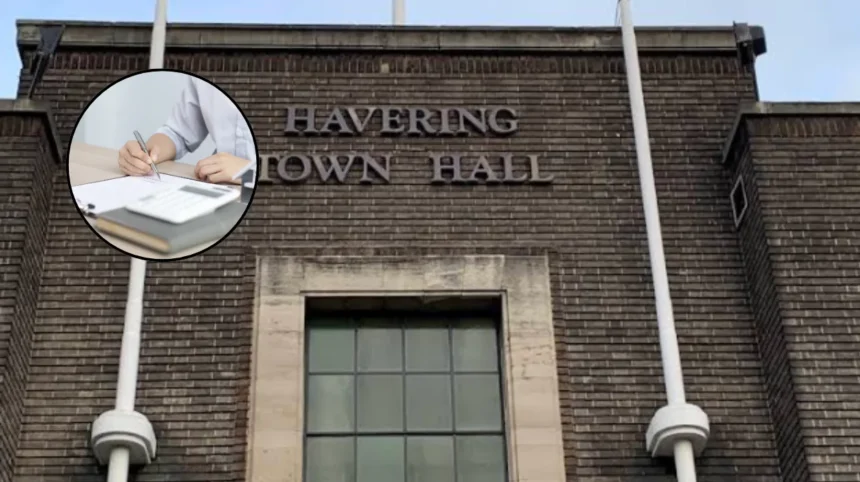
Romford, Havering Council (East London Times) April 27, 2026 – The property owner, identified as Treldon Connell, was brought before Barkingside Magistrates’ Court after failing to address severe hazards within his Kingsbridge Road premises. The court heard how the landlord ignored a formal improvement notice which had mandated urgent repairs to address significant health and safety risks, including mould and damp growth, faulty electrical installations, and broader structural failings both inside and outside the home.
Why did Havering Council take this action against the landlord?
According to the local authority, the prosecution was necessary to enforce essential safety standards for tenants living in the private rental sector.
The council noted that several of the issues found within the Kingsbridge Road property were classified as Category 1 hazards. Under the Housing Act, such a classification denotes a severe risk to the health or safety of an occupier, necessitating mandatory intervention by the property owner to eliminate the danger.
Helen Oakerbee, Havering Council’s director of planning and public protection, described the legal action as a clear message to those who do not maintain their rental properties. As stated by Oakerbee, this prosecution serves as
“an example of us cracking down on irresponsible landlords taking advantage of families and individuals by providing poorly maintained properties”.
She further emphasised the council’s position, noting:
“We will always take the strongest action against landlords who breach their licence or fail to take action to make their properties safe for residents to live in.”
What penalties were imposed on the landlord by the court?
The total financial penalty handed down by the bench at Barkingside Magistrates’ Court amounted to £5,335.05. This sum includes a fine of £2,500, legal costs incurred by the council totalling £1,835.05, and a £1,000 surcharge designated for the funding of victim support services.
What is the background of this development regarding housing enforcement in the area?
Havering Council has significantly intensified its regulatory oversight of the borough’s private rented sector in recent months, driven by an acute shortage of available housing.
This approach is part of a wider strategy aimed at tackling substandard living conditions and ensuring that rental properties are compliant with legal safety requirements.
In a notable previous case reported by multiple media outlets including The Negotiator, another Romford-based landlord, Shamsul Huda, received a significantly larger financial penalty. As reported by The Negotiator, Havering Council took action against Huda after officers discovered 18 people residing in an 11-bedroom property on Fitzilian Avenue, which was being operated as an unlicensed House in Multiple Occupation (HMO).
Huda was eventually fined £33,698 for breaching two prohibition orders and failing to license the property. Furthermore, the council has recently stepped up its enforcement against unauthorized HMO conversions.
As detailed on the official Havering Council news portal, the authority successfully defended enforcement notices in January 2026 against two properties in Bell Avenue and Park Drive, where owners had converted family dwellings into HMOs without the required planning consent.
How will this development affect the local audience?
This enforcement activity is likely to have a twofold impact on the local community, specifically affecting tenants and property owners within the London Borough of Havering. For tenants, the council’s proactive stance provides a heightened level of protection against unscrupulous landlords who might otherwise neglect critical maintenance or ignore safety regulations.
As the council continues its rigorous enforcement of housing standards and HMO licensing schemes, residents may find that local authorities are more responsive to reports of poor housing conditions, which could lead to an improvement in the overall quality and safety of the local private rented stock.
Conversely, for landlords operating in the area, the persistent threat of prosecution and hefty fines signals a strict shift in the regulatory climate. Property owners who fail to adhere to national and local HMO standards—such as requirements for minimum room sizes, fire safety protocols, and proper sanitation—now face a high probability of legal consequences.
This environment necessitates that landlords maintain strict compliance with their licensing obligations and respond promptly to improvement notices. Consequently, the local rental market may see a consolidation, where only those landlords capable of maintaining safe, compliant, and well-managed properties remain, while those who cannot or will not meet these standards are forced out of the sector.