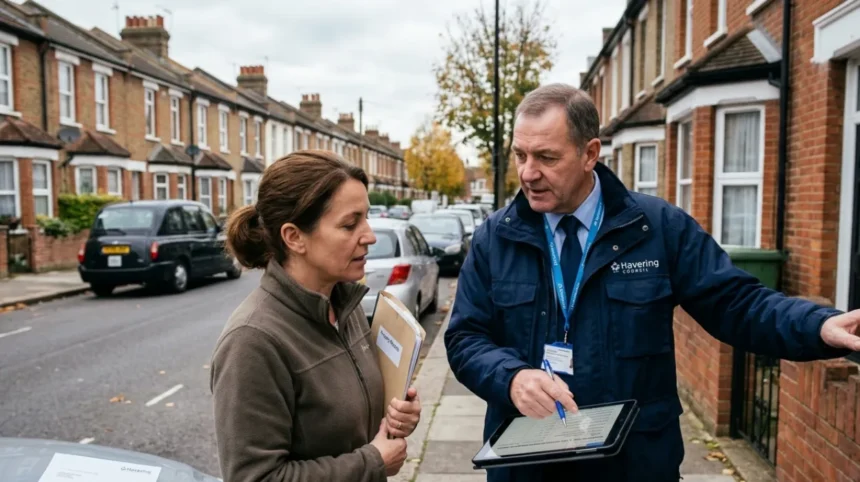
Havering selective licensing requires landlords in designated wards to license properties rented to single families or up to two unrelated sharers. This scheme, active from 18 March 2026 to 17 March 2031, enforces property standards across seven wards in the London Borough of Havering.
- What is Havering Selective Licensing?
- Which Wards Require Selective Licensing in Havering?
- Do You Need a Selective Licence as a Landlord?
- How Does Selective Licensing Differ from HMO Licensing?
- How Do You Apply for a Havering Selective Licence?
- What Are the Fees for Selective Licensing?
- What Documents Must Landlords Submit?
- What Property Standards Apply?
- What Fire Safety Rules Exist?
- What Happens After Licence Approval?
- What Are the Penalties for Non-Compliance?
- How Does Selective Licensing Impact Landlords?
- What is the History of Licensing in Havering?
What is Havering Selective Licensing?
Havering selective licensing is a council scheme mandating landlords to obtain a five-year licence for each privately rented property let to a single family or one to two unrelated sharers in seven specified wards. It ensures properties meet safety and management standards, with applications starting 25 January 2026 at a total fee of £950 before discounts.
Selective licensing derives from the Housing Act 2004, which empowers local authorities to designate areas for improved rental standards. Havering Council introduced this under Scheme 2, approved by Cabinet on 10 December 2025.
The scheme targets high private rental sectors with issues like poor housing conditions and anti-social behaviour. It covers all non-HMO private rented sector properties in the wards, excluding mandatory HMO-licensed buildings.
Landlords must comply to avoid civil penalties up to £30,000 per unlicensed property. The council processes applications online via housingpropertylicence.havering.gov.uk, valid until 17 March 2031.
Which Wards Require Selective Licensing in Havering?
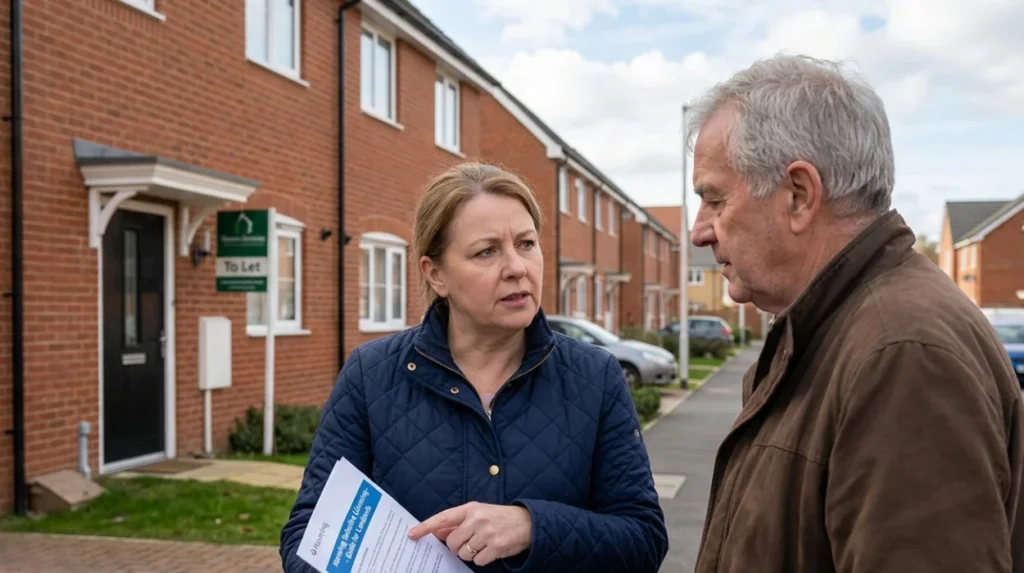
Selective licensing applies to seven wards: Beam Park, Harold Wood, Rainham and Wennington, Rush Green and Crowlands, Squirrels Heath, St Albans, and St Edwards. Landlords owning rental properties in these areas must license before letting from 18 March 2026.
Havering comprises 20 wards total, with these seven selected due to elevated private rental volumes exceeding borough averages. Beam Park features new developments with rapid rental growth; Harold Wood sees commuter demand.
Rainham and Wennington border the Thames, attracting families; Rush Green and Crowlands report higher anti-social incidents. Squirrels Heath and St Edwards have ageing housing stocks needing upgrades.
Landlords verify ward status using the council’s Find Your Councillor tool by postcode. Properties straddling wards follow the licensable area’s rules.
Do You Need a Selective Licence as a Landlord?
Landlords need a selective licence for any property rented to a single family or one to two unrelated sharers in the seven wards from 18 March 2026. Exemptions include owner-occupied homes, holiday lets under 100 days yearly, and mandatory HMOs.
Designation covers all private rented sector dwellings except HMOs requiring additional or mandatory licences. A single family means related household members; two sharers must be unrelated.
Student halls and care homes hold separate registrations. Properties vacant over two months or with superior council tax discounts qualify for temporary exemptions via application.
Non-compliance risks prosecution with unlimited fines. Council data shows prior schemes improved standards in 80% of inspected properties.
How Does Selective Licensing Differ from HMO Licensing?
Selective licensing targets single-family or two-sharer lets in designated wards; additional HMO licensing covers borough-wide properties with three or four unrelated occupants sharing facilities. Mandatory HMO licensing applies to five-plus occupants nationwide.
Selective focuses on management quality in problem areas; HMO emphasizes fire safety and overcrowding. Overlap occurs if a property fits both, requiring the stricter licence.
Examples include a family home in Beam Park needing selective; a four-sharer flat in Romford requiring additional HMO. Planning permission affects HMO conversions via Article 4 Directions.
How Do You Apply for a Havering Selective Licence?
Submit an online application at housingpropertylicence.havering.gov.uk after creating an account, paying Part A £570 upfront. Provide property details, tenancy proof, EPC, and gas safety certificate; council reviews for Part B £380 payment post-approval.
Applications open 25 January 2026 with no early-bird discounts. Required documents include landlord passport, proof of ownership, floor plans, and tenancy agreements.
Council conducts fit-and-proper tests checking criminal records and bankruptcy. Processing takes weeks; rent legally continues post-submission.
Paper forms cost £117.10 extra via [email protected]. Renewals follow the same process near expiry.
What Are the Fees for Selective Licensing?
Total selective licence fee totals £950, split into Part A application £570 and Part B grant £380. Discounts reduce Part B by £100 for accredited landlords and £75 for EPC C-plus ratings, netting £775 minimum.
Accreditation requires certificates from schemes like National Residential Landlords Association at application. EPC discounts demand upload of valid Energy Performance Certificate.
Multiple properties in one building earn £100 per extra unit discount post-first. No refunds on Part A; late applications void discounts after warnings.
Fees fund enforcement; 2021-2026 scheme processed 5,000-plus licences. Compare to additional HMO at £1,400 total.
What Documents Must Landlords Submit?
Landlords submit proof of identity like passport, ownership evidence such as deeds, current EPC, gas safety certificate, floor plans to scale, and tenancy agreement or AST sample. Fit-and-proper declaration covers criminal and immigration checks.
Gas safety must be annual from Gas Safe engineer; EPC valid within 10 years. Plans detail rooms, exits, amenities.
Managing agents provide authorisation letters. Council requests extras twice before voiding discounts.
Real-world example: A Squirrels Heath landlord uploaded 2015 EPC for discount, avoiding £75 add-on. Incomplete packs delay 30% of applications.
What Property Standards Apply?
Properties must achieve Havering’s Private Rented Property Licensing Accommodation Standards, including Category 1-2 hazard-free under Housing Health and Safety Rating System, proper repairs, ventilation, lighting, and facilities for occupants.
Standards mandate working smoke alarms on each storey, carbon monoxide detectors for solid fuel, secure locks. Kitchens require 0.95m counter space per person; bathrooms one per seven occupants.
No serious damp, excess cold, or falls risks. Council inspects post-application if flagged.
Implications include upgrades costing £2,000-£5,000 average per property. Compliance raised standards in 85% of prior scheme properties.
What Fire Safety Rules Exist?
Install smoke alarms on each storey, heat detectors in kitchens, carbon monoxide alarms for open fires or flues, tested monthly with records kept five years. Escape routes stay clear with emergency lighting in larger properties.
HMOs demand higher, like fire doors self-closers. LACORS guidance sets minimums; breaches void licences.
Example: St Albans landlord fitted interlinked alarms, passing inspection first visit.
What Happens After Licence Approval?
Council issues a five-year licence specifying conditions like annual gas checks and repairs reporting. Display licence visibly; notify changes within 28 days via variation request.
Licence mandates fit-and-proper maintenance, tenant complaints handling. Renew six months pre-expiry same process.
Variations cost for major changes like occupancy shifts. Revocation follows breaches after warnings.
What Are the Penalties for Non-Compliance?
Unlicensed renting incurs civil penalties up to £30,000 per property, prosecution with unlimited fines, or rent repayment orders for 12 months’ housing benefit. Council seizes management control via notices.
Fixed notices offer £5,000-£20,000 settlements. 2026 enforcement targets 500 properties initially.
Examples: Prior scheme fined 50 landlords £10,000 average; one Rainham owner repaid £15,000 rent.
Repeat offenders face three-year property bans. Implications deter 90% non-compliance post-launch.
How Does Selective Licensing Impact Landlords?
Landlords invest £950 upfront plus upgrades averaging £3,000, but gain legal renting, higher tenant quality, and property value uplift of 5-10%. Scheme levels field against rogue operators.
Time costs 10-20 hours per application. Benefits include council support and accreditation prestige.
Data shows licensed properties rent 15% faster. Future renewals 2031 maintain standards borough-wide.
What is the History of Licensing in Havering?
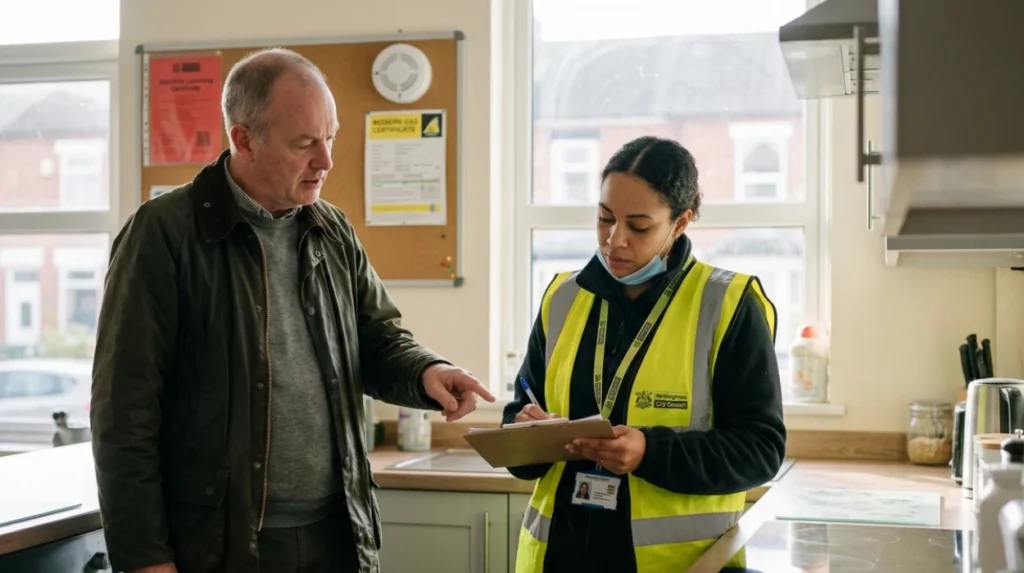
Havering ran selective licensing from 25 January 2021 to 24 January 2026 in five wards: Hylands & Harrow Lodge, Marshalls & Rise Park, Rush Green & Crowlands, St Alban’s, Squirrels Heath. New 2026 scheme expands to seven wards with borough-wide additional HMO.
Previous scheme licensed 4,000 properties, remedied 2,500 hazards. Cabinet expanded post-consultation addressing 20% poor conditions in rentals.
Historical context ties to 2004 Act post-2000s rental boom. Implications project 10,000 licences by 2031.
Schemes run to 17 March 2031 with evaluations guiding extensions; expect tighter standards and digital renewals. Landlords prepare via accreditation for ongoing discounts.
Council plans AI postcode checks by 2028. Impacts include 95% compliance target, reducing voids 20%.
Research from similar boroughs shows 12% yield boost long-term. Stay updated via havering.gov.uk.
What is Havering Selective Licensing?
Havering selective licensing is a legal requirement for landlords to obtain a licence for each privately rented property occupied by:
A single household (family), or
Up to two unrelated sharers
The scheme is enforced under the Housing Act 2004, which allows councils to regulate rental properties in designated areas.
The 2026 scheme (often referred to as Scheme 2) was approved by Havering’s Cabinet in December 2025 to tackle:
Poor housing conditions
Anti-social behaviour
Weak property management
Each licence lasts five years, with a standard fee of £950.