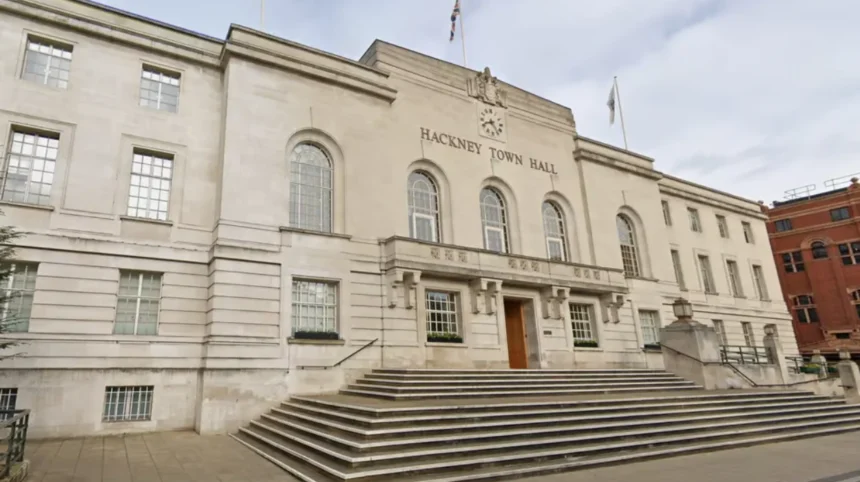
East London councils have paid out more than £11.7 million in housing disrepair claims over the last three years, according to new data obtained by JF Law, with Hackney and Barking & Dagenham emerging as two of the highest-paying boroughs in the capital.
Secured via Freedom of Information request, the figures reveal that Hackney Council alone paid out a staggering total of £8,069,925 between 2022/23 and 2024/25, while Barking & Dagenham Council reported a total payout of £3,376,000.
In contrast, Havering and Redbridge saw significantly lower financial impacts, with Havering paying out £103,892 and Redbridge recording £115,156.
In total, this amounts to an enormous payout of £11,664,973 across the region – a significant proportion of the £26m paid out by London’s borough councils over the same period.
Significant claim numbers
The number of residents filing claims has remained high across the region. Hackney handled 1,617 claims over the three-year period, although claims per year actually dropped slightly in the borough, from 539 in 2022/23 to 508 in 2024/25 – a decrease of 5.75%.
However, Barking & Dagenham received 561 claims for the reported period, with 93 claims in 2022/23 rising to 265 in 2024/25, representing a 184.95% increase. Its highest individual payout during this period came in 2023/24, with a sum of £25,000.
Havering handled 176 claims, with 20 jumping to 82 (310% increase), while Redbridge dealt with 109 claims, with 7 rising to 88 (1,157% increase).
Additionally, the highest individual payout from Havering was £10,000 (2024/25), with Redbridge logging a £12,000 payout the same year.
It’s worth noting that Hackney and Barking & Dagenham have a much higher proportion of council houses compared to Havering and Redbridge.
Claims surge across the capital
The situation in Islington reflects a broader trend across the capital. Twenty-two of London’s 32 borough councils responded to the FOI request, with five of those councils confirming that they did not own any housing stock.
However, the data provided by the other 17 councils revealed that £26,170,385 has been paid out for housing disrepair since 2022/23, covering more than 12,600 claims – and with 10 councils yet to respond, the true figure could be much higher.
Hackney Council recorded the highest total payout in the city, exceeding £8 million over three years, while Lambeth, Waltham Forest and Barking and Dagenham also saw multi-million-pound totals.
‘Systemic failure’, says expert
Beverley Faulkner, a senior lawyer at JF Law, said:
“Living in a home that is damaged, mouldy, or structurally unsafe is not just a matter of discomfort, it’s a health hazard. The sheer volume of claims and the amounts being paid out in compensation highlight a systemic failure to maintain social housing to a habitable standard.
“It’s important that we take action when these houses are left to fall into disrepair – a health risk is the last thing you should have to deal with in the place you call home, and we should all expect more from the systems designed to protect that.”
Know your legal rights
As of October 2025, social landlords have to comply with new requirements as per Awaab’s Law, part of the Social Housing (Regulation) Act 2023, introduced following the 2020 death of two-year-old Awaab Ishak as the result of a respiratory illness, caused by prolonged exposure to black mould in his social housing flat in Rochdale, Greater Manchester.
The law requires landlords to investigate damp and mould hazards within 10 working days, and to provide tenants with a written summary of investigation findings within 3 working days.
Hazards must also be made safe within specific deadlines, while local authorities and housing associations must maintain detailed records of all social housing inspections and actions to provide compliance. Further requirements are set to be introduced as part of the law during 2026 and 2027.