Key Points
- The High Court found that the London Borough of Hackney acted unlawfully when it refused to place LLJ’s family in Band A on the housing register.
- The claim concerned a severely disabled child living in overcrowded accommodation affected by mould, with medical and professional evidence said to show an immediate risk to the child’s health and development.
- The case is LLJ, R (on the application of) v The London Borough of Hackney EWHC 1145 (Admin).
- Judicial review permission had already been granted and the matter was expedited for a substantive hearing by 15 May 2026.
- The decision sits within a wider pattern of legal scrutiny involving Hackney Council and disabled children’s housing or care needs.
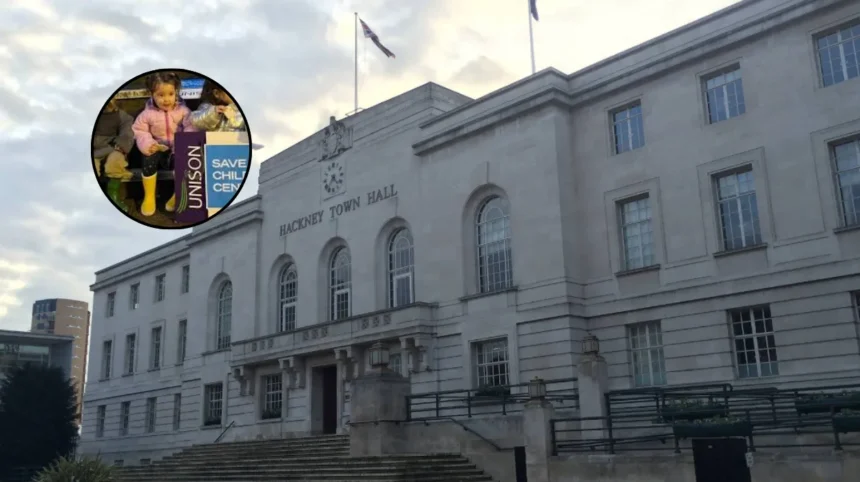
Hackney (East London Times) May 15, 2026, has been found to have acted unlawfully after refusing a Band A housing allocation to a family with a severely disabled child, despite evidence that their current home posed serious risks.As reported by Local Government Lawyer in its court report on 15 May 2026, the High Court found the council had breached its legal duties in relation to the family’s housing situation. The judgment concerned a home described as mould-ridden and overcrowded, with evidence before the court said to show the accommodation created an immediate threat to the child’s health and development.
Why was the Band A refusal challenged?
The challenge focused on whether Hackney had properly assessed the urgency of the family’s housing need, particularly in light of the child’s disability and the evidence about the home’s condition.
Band A is generally the highest priority level on a council housing register, so refusal to place the family in that band meant the family was not treated as needing the most urgent housing response.
The court’s ruling indicates that the council’s approach to the medical and professional evidence was legally insufficient.
What evidence was before the court?
The published report says the family relied on compelling medical and professional evidence showing that the current accommodation created an immediate risk to the child. The housing conditions were described as overcrowded and affected by mould.
The judicial material available confirms that permission for judicial review was granted and the hearing was expedited, showing the case was treated as urgent by the court.
That urgency aligns with the underlying concern that delay in housing decisions could worsen the child’s circumstances.
Who reported the case?
The report was published by Local Government Lawyer in its Court Report section on 15 May 2026. The published case materials from the judiciary identify the proceedings as LLJ v London Borough of Hackney and show the claim was listed for expedited hearing by 15 May 2026.
No author name was visible in the material available here, so it would not be accurate to attribute the report to a named journalist without confirmation from the full page.
What does the ruling mean?
The ruling means the council’s refusal was not legally sustainable on the facts found by the court, and Hackney must now act in line with the judgment.
For the family, the immediate significance is that the court accepted the seriousness of the housing risk faced by the disabled child.
More broadly, the case is relevant to how councils weigh disability, medical evidence, overcrowding and damp when deciding housing priority.
It also reinforces that public authorities can be found unlawful if they fail to give proper legal and factual weight to a vulnerable child’s circumstances.
Background to the case
Hackney has faced previous legal scrutiny in matters involving disabled children and public duties. In April 2025, the judiciary released an order in TDB v London Borough of Hackney, granting permission to apply for judicial review and accelerating the timetable.
That history suggests the borough’s decisions relating to vulnerable children can attract urgent court intervention when legal duties are disputed.
In the present case, the court’s finding follows the same pattern of close judicial examination of council decision-making affecting a disabled child’s welfare.
Prediction: How could this affect families and councils?
For families in overcrowded or unsafe housing, especially where a child has serious disabilities, this ruling may strengthen the practical value of detailed medical and professional evidence in housing challenges. It may also encourage more urgent legal action where a council’s allocation decision appears out of step with the risks faced by a vulnerable resident.
For councils, the case is likely to increase pressure to document decision-making carefully, particularly when refusing emergency or highest-priority housing status. The likely effect is that housing teams may need to give greater weight to disability-related risk, damp, overcrowding and evidence from clinicians and other professionals before making allocation decisions.