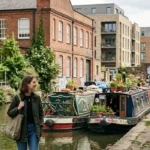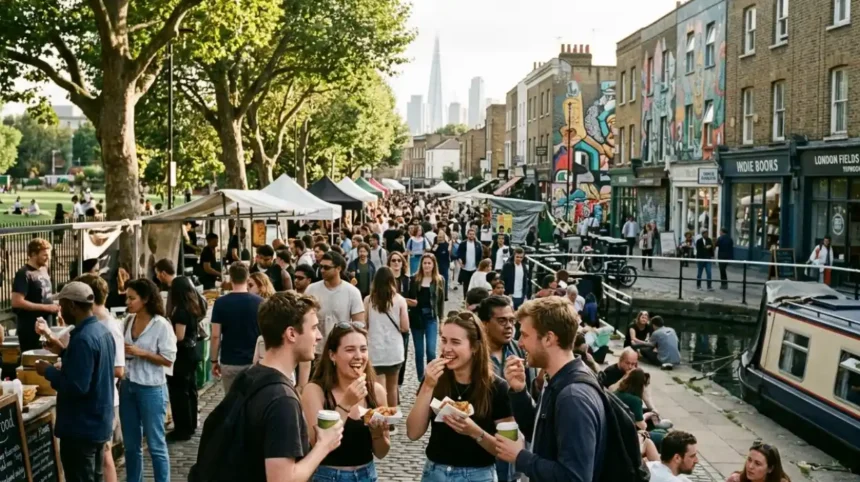
Hackney is famous for creative culture, street art, independent food, nightlife, green spaces, and a strong local identity shaped by migration, industry, and regeneration. It is one of East London’s most visited boroughs because it combines heritage sites, markets, canals, and modern leisure in a compact area.
- Why is Hackney famous?
- What can visitors do in Hackney?
- Which Hackney landmarks matter most?
- Is Hackney good for nightlife and food?
- Why is Hackney known for street art?
- What is Hackney’s historical importance?
- Where should first-time visitors start?
- How does Hackney fit into East London?
- What should travellers know before visiting?
- Why does Hackney still attract visitors?
Why is Hackney famous?
Hackney is famous for its mix of culture, parks, markets, music, and street art. The borough stands out in East London because it combines historic places, modern nightlife, and strong community life. Visitors come for broad appeal, local character, and easy access across the city.
Hackney is a London borough with a reputation built on diversity and reinvention. It sits just north and east of the City of London and includes areas such as Shoreditch, Dalston, London Fields, Hackney Wick, Stoke Newington, and Homerton. These districts attract tourists, residents, and workers for different reasons, but the common thread is a dense urban culture with a high concentration of things to do.
The area is widely associated with street art, independent cafés, live music, canal-side walks, and weekend markets. It is also known for strong green spaces, especially Hackney Marshes and Victoria Park, which give the borough a wider open feel than many central London districts. Hackney’s fame comes from this balance between urban energy and outdoor space, which supports both leisure travel and local everyday life.
As you explore the modern borough, you are also crossing land with a long historical legacy. Read about the full [Hackney’s historical background] to understand its origins.
What can visitors do in Hackney?
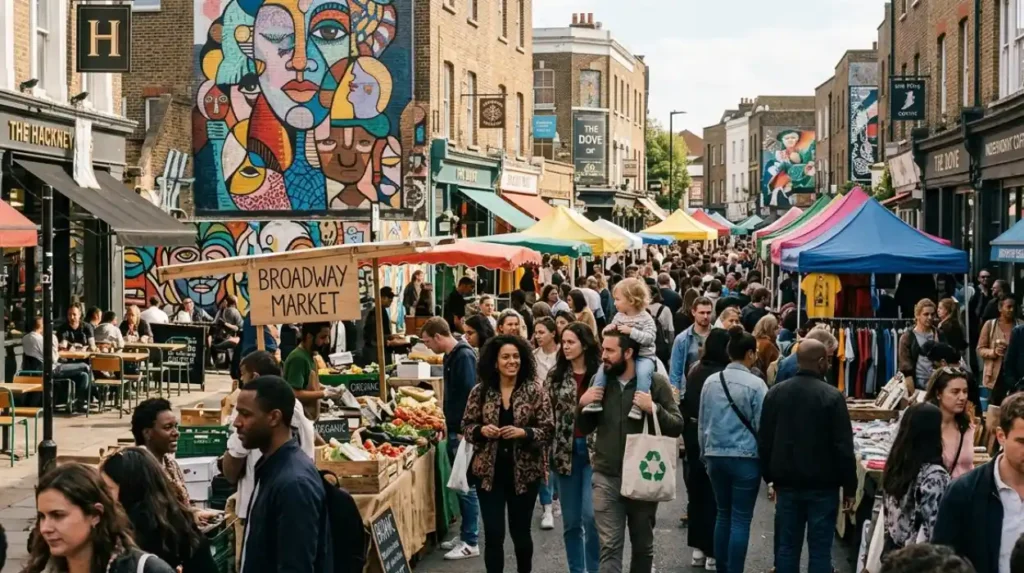
Visitors can explore markets, street art, parks, galleries, canals, and nightlife across Hackney. The borough offers a full day or weekend itinerary because attractions are spread across neighbourhoods and suit different budgets, travel styles, and interests.
A practical Hackney visit starts with its public spaces and local streets. London Fields is a major draw for relaxed afternoons, picnics, and nearby food and drink options. Broadway Market, near London Fields, is one of the borough’s best-known weekend destinations, with food stalls, independent shops, and a strong local atmosphere. Columbia Road Flower Market, just outside the borough boundary but closely linked to the Hackney experience, remains one of East London’s most recognisable visitor spots.
Hackney Wick and the Lee Navigation canals suit slower sightseeing. These areas connect industrial history with regeneration, studios, and waterside routes. The Olympic Park is also nearby, making this part of East London useful for visitors who want to combine culture, sport, and walking in one trip. Street art is another major feature, especially in areas where warehouse architecture and creative businesses have encouraged public-facing murals.
Hackney also works well for business travellers and digital nomads. Many cafés and informal workspaces serve laptop users during the day, while evening options include restaurants, wine bars, and live venues. This makes the borough useful for travellers who want practical downtime rather than a tightly structured tourist itinerary.
Which Hackney landmarks matter most?
The most important Hackney landmarks include Hackney Empire, Sutton House, Hackney Marshes, Victoria Park, London Fields, and the canal districts around Hackney Wick. These places represent the borough’s entertainment, heritage, sport, and open-space identity in clear, visitor-friendly form.
Hackney Empire is one of the borough’s best-known cultural venues. It is a long-established theatre and performance space that anchors Hackney’s entertainment identity. Sutton House, a National Trust property, is a major heritage building in Hackney and gives visitors a direct connection to the area’s early modern past. Museum visitors and history-focused travellers often use it as a starting point for understanding the borough’s older social layers.
Hackney Marshes is central to the borough’s sporting identity. It is famous for its football pitches and its association with grassroots football. Victoria Park is equally important for leisure visitors because it provides large open space, walking routes, lakes, and events. Together, these locations explain why Hackney appeals to both active visitors and people looking for a calmer urban break.
London Fields matters because it sits between daily life and tourism. It has green space, pool access, nearby food businesses, and easy connections to other parts of Hackney. In a visitor guide, it functions as one of the simplest places to understand the borough’s local rhythm.
Is Hackney good for nightlife and food?
Hackney is one of East London’s strongest nightlife and food districts. It has late-opening bars, live music venues, gastropubs, street-food markets, and casual dining spots, which makes it useful for evening visitors and people planning a full day out.
The borough’s food scene is built around variety rather than one signature cuisine. Visitors find global restaurants, brunch cafés, bakeries, vegetarian kitchens, and market food in a small travel area. This reflects Hackney’s diverse population and its long relationship with independent business. Many dining streets are walkable, which means visitors can move from daytime cafés to dinner and then to drinks without leaving the local area.
Nightlife in Hackney is spread across different districts. Dalston is known for bars, music, and late evenings. Shoreditch, while often discussed separately, overlaps with the wider Hackney visitor experience because it connects to the borough’s creative and nightlife reputation. Hackney Wick adds a different feel, with warehouse venues, canals, and post-industrial settings that suit clubs, art spaces, and event-driven nightlife.
Live music remains part of Hackney’s identity. Venues across the borough support touring acts, local artists, comedy, and small-scale events. That matters for visitors because Hackney is not only a sightseeing district. It is also a night-time economy with a strong cultural calendar.
Why is Hackney known for street art?
Hackney is known for street art because creative businesses, gallery spaces, warehouse buildings, and dense urban streets created a strong mural culture. Public art is part of the borough’s visual identity and appears across walls, estates, rail corridors, and regenerated industrial areas.
Street art in Hackney works as both decoration and cultural marker. It appears in areas where artists, designers, and independent venues have clustered over time. Hackney Wick is especially important because former industrial buildings have been reused for studios, event spaces, and creative work. That environment supports large-scale murals and rotating public artworks.
Street art also gives visitors an easy way to read the borough’s changing economy. In many streets, older industrial uses sit alongside cafés, start-ups, and housing redevelopment. Murals, tags, and painted facades become part of that transition. For tourists, this means Hackney can be explored visually without needing formal tickets or fixed opening hours.
The borough’s street art appeal is strongest when combined with walking. Visitors often pair mural hunting with canal routes, market visits, and café stops. That is one reason Hackney ranks highly with younger travellers and repeat London visitors. It delivers a flexible sightseeing format rather than a single monument-based attraction.
What is Hackney’s historical importance?
Hackney has historical importance as a long-settled part of London with early churches, former estates, industrial development, migration, and later regeneration. Its past explains the borough’s present mix of heritage buildings, working-class history, and modern creative districts.
Hackney’s history is not built around one event. It developed through centuries of settlement, land use, and urban expansion. The area included villages, estates, and agricultural land before becoming part of metropolitan London. Later, railways, factories, and housing growth transformed the borough into a densely populated urban district.
The built environment still shows this history. Sutton House reflects elite domestic life in earlier centuries. Hackney Empire reflects the growth of urban entertainment. Market streets and warehouse buildings reflect commercial and industrial change. Council estates and postwar housing reflect twentieth-century planning and public housing policy. This gives the borough a layered feel that visitors can notice even on a short walk.
Hackney’s history also matters because it explains its reputation for change. The borough has repeatedly adapted to economic shifts, demographic change, and land redevelopment. That history now supports its identity as a place of heritage and innovation at the same time. For visitors, it adds depth to what would otherwise be a simple leisure district.
Where should first-time visitors start?
First-time visitors should start in London Fields, Broadway Market, Hackney Central, and Hackney Wick. These areas give a clear introduction to the borough’s green space, food culture, local retail, arts scene, and canal-side character in a manageable route.
A first visit works best when it follows neighbourhood clusters rather than isolated landmarks. London Fields offers a simple opening point because it is easy to reach and easy to understand. Broadway Market gives immediate access to food, shopping, and local footfall. Hackney Central adds transport convenience, the Hackney Empire, and a stronger urban feel.
Hackney Wick is the best option for visitors who want the borough’s modern creative identity. It links murals, converted industrial sites, studios, and waterside walks. The area also benefits from nearby Olympic Legacy sites, which gives it wider recognition among domestic and international visitors. This mix helps explain why Hackney appears in many East London itineraries.
A visitor route through Hackney should also include time for walking. The borough’s attractions are not concentrated in one single square. They are spread across adjoining districts, so the best experience comes from moving between them on foot, by bus, or by train.
How does Hackney fit into East London?
Hackney is one of East London’s defining boroughs because it combines culture, regeneration, transport links, and local neighbourhood identity. It sits at the centre of many East London visitor routes and helps shape how people understand the wider area.
East London has a strong reputation for creativity, nightlife, markets, and urban change. Hackney is a major part of that reputation. It overlaps with nearby districts such as Shoreditch, Bethnal Green, and Stratford in visitor conversations, but it retains its own identity through neighbourhood names, parks, and independent venues. That distinction matters for travellers who want a real sense of place rather than a generic city break.
Hackney also helps connect different visitor types. Tourists come for attractions and atmosphere. Residents use the borough for parks, shopping, and evening plans. Digital nomads use cafés and flexible work settings. Business travellers use it for downtime after meetings in central London or Canary Wharf. The borough serves all of these groups because it has both practical transport and lifestyle variety.
This broad usefulness is one reason Hackney remains a durable search topic. It answers several user needs at once: where to go, what to eat, what to see, and how to spend time in East London without overscheduling the day.
What should travellers know before visiting?
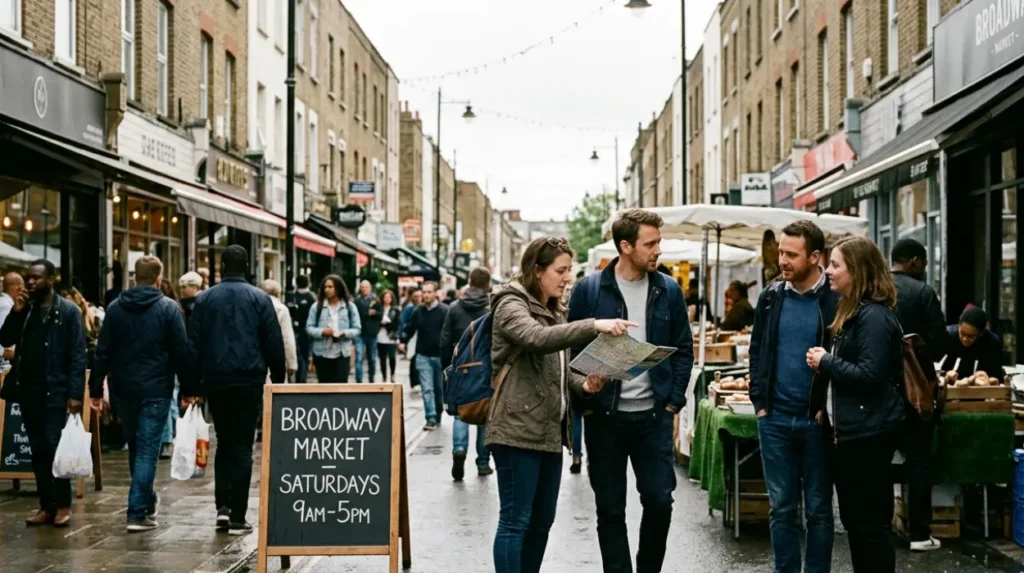
Travellers should know that Hackney is best visited as a neighbourhood-based destination. Opening hours, market days, and event schedules shape the experience, so planning around weekends, evenings, and walking routes gives the best results.
Hackney works best when visitors accept its local pace. Markets are strongest on specific days, bars fill in the evening, and parks are most useful in daylight. That makes planning important, especially for short-stay visitors. Public transport links are generally strong, but the borough still rewards walking because many attractions sit close together.
Visitors should also plan according to interest. Food travellers should focus on Broadway Market, Dalston, and London Fields. Culture travellers should prioritise Hackney Empire, Sutton House, and galleries or studios in Hackney Wick. Outdoor travellers should aim for Victoria Park, Hackney Marshes, and canal walks. This approach keeps the trip efficient and prevents wasted travel time.
Hackney is also a useful base for wider East London exploration. Its position means visitors can move easily toward Stratford, Shoreditch, or the Thames corridor. That makes it practical for short leisure breaks and for longer stays where each day needs a different focus.
Why does Hackney still attract visitors?
Hackney still attracts visitors because it delivers variety in a single borough. It combines heritage, nightlife, parks, food, and street culture in a way that suits tourists, locals, and repeat London visitors who want more than central landmarks.
The borough’s appeal comes from its mix of authenticity and accessibility. It is not a single-theme destination. It is a place where a visitor can see a theatre, eat at a market, walk beside canals, view street art, and finish the day in a pub or music venue. That density gives Hackney strong value for time-conscious travellers.
Hackney also benefits from reputation. It is widely recognised as creative, diverse, and lively, which creates an immediate travel frame for first-time visitors. At the same time, its parks and quieter streets give enough variety to support slower travel. That combination helps the borough remain relevant in search results, guidebooks, and word-of-mouth recommendations.
For anyone researching what Hackney is famous for, the answer is clear. It is famous for East London culture in its broadest sense: heritage, food, nightlife, markets, public art, and green spaces. That combination gives the borough lasting visitor appeal and makes it one of London’s most complete urban destinations.
Why is Hackney so popular with tourists?
Hackney is popular because it combines street art, markets, parks, nightlife, canals, and independent cafés in one compact part of East London. Visitors can explore creative neighbourhoods, local food spots, and green spaces without travelling far across the city.