Hackney is an inner‑east London borough defined by diverse neighbourhoods, vibrant street markets, green spaces, arts venues, cafés, and flexible work hubs; visitors should allocate at least one full day to sample its culture and facilities.
Hackney is an administrative London Borough created in 1965 that includes areas such as Hackney Central, Shoreditch (partially within the neighbouring borough), Dalston, Stoke Newington, London Fields, and Homerton. The area contains a mix of Victorian terraces, converted warehouses, public parks, and canal corridors. Visit planning should balance outdoor spaces (parks and canal walks), market and food clusters (Broadway Market and Ridley Road Market), cultural venues (galleries and music halls), and remote‑work needs (coffee shops with reliable Wi‑Fi and dedicated coworking). Allocating a full day enables a sample of history, local food, and a working session in a comfortable hub.
- What are the must‑see attractions and neighbourhoods in Hackney?
- How can tourists find authentic local food and markets?
- Where can digital nomads and remote workers find reliable workspaces and cafés?
- What transport options serve Hackney and how do they affect travel time?
- What are the best parks and outdoor spaces for relaxation and recreation?
- How does Hackney’s history shape its present attractions?
- Where should visitors stay for easy access to Hackney’s highlights?
- What cultural venues and live‑music spots should travellers prioritise?
- How safe is Hackney for first‑time visitors and what precautions are sensible?
- What are recommended walking routes and short itineraries for 4–8 hours?
- What are practical tips for budgeting and timing visits?
- How does Hackney support accessibility and family needs?
- What practical steps should travellers take before arrival?
What are the must‑see attractions and neighbourhoods in Hackney?
Key neighbourhoods include Hackney Central, Dalston, Stoke Newington, London Fields, and Homerton; top attractions are Broadway Market, Hackney Empire, London Fields, and the Regent’s Canal walk.
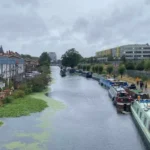
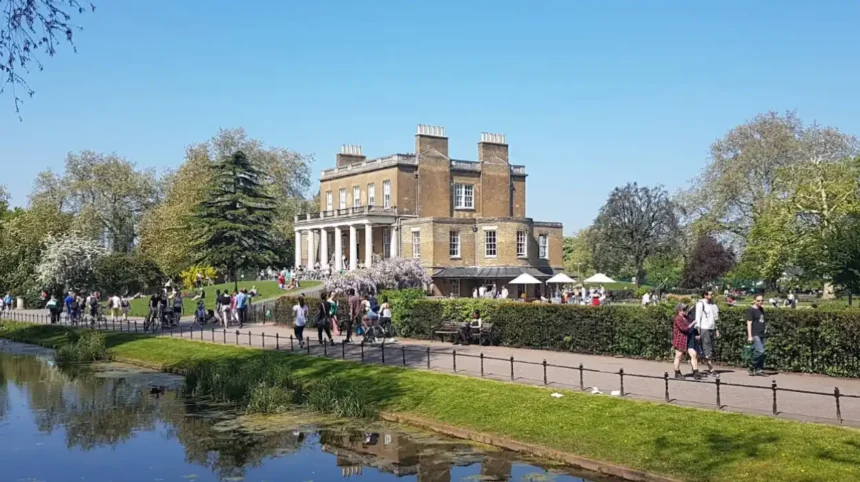
Hackney Central is the administrative heart with transport links, municipal buildings, and local shops. Broadway Market (Saturdays) is a long‑running food and artisan market, with independent bakeries and produce stalls. Dalston hosts live music venues and nightlife; Stoke Newington High Street has independent bookshops, cafés, and Clissold Park, a Victorian park with a small animal enclosure and Grade II listed features. London Fields offers a public lido (outdoor heated pool) and picnic lawns. The Regent’s Canal towpath provides waterside walking and cycling routes that connect Hackney to central London. These places combine to showcase Hackney’s food, music, outdoor, and cultural offer.
How can tourists find authentic local food and markets?
Visit Broadway Market (Saturday), Ridley Road Market (weekday), and nearby independent cafés and restaurants to sample local produce, international street food, and bakery specialities.
Broadway Market contains stalls offering artisan bread, cheeses, street food, and speciality coffee; plan for peak hours between 10:00–14:00 on Saturdays. Ridley Road Market in Dalston operates on weekdays and focuses on fresh produce from African, Caribbean, and Eastern European suppliers; it is a destination for culturally specific ingredients. For sit‑down meals try independently run restaurants along Chatsworth Road and Stoke Newington High Street; for casual dining, explore pop‑up kitchens near London Fields. Many businesses accept card and contactless payments; carry small cash for some market vendors.
Where can digital nomads and remote workers find reliable workspaces and cafés?
Hackney offers a range of coworking spaces (day passes and memberships), plus cafés with strong Wi‑Fi and plug sockets — book a desk for focused work and use cafés for shorter sessions.
Coworking options vary from global chains to local operators offering quiet zones, meeting rooms, and printing; many provide day passes from around £10–£25. Look for coworking near transport hubs (Hackney Central, Dalston Junction) for convenience. Cafés that cater to remote workers typically list Wi‑Fi speeds and socket availability; plan short sessions (1–3 hours) in café settings to respect turning tables. Public libraries such as Hackney Central Library provide quiet seating, free Wi‑Fi, and local information. For frequent nomads, check membership facilities that allow hot‑desking and booking meeting rooms.
What transport options serve Hackney and how do they affect travel time?
Hackney is served by Overground rail, several Underground stations nearby, buses, and cycling routes; central London travel times range from 10–30 minutes depending on the origin.
London Overground lines (including routes through Hackney Central and Hackney Wick) provide east‑west connections and link to Stratford and Highbury & Islington. Dalston Kingsland and Dalston Junction are Overground stops with frequent services. Several bus routes connect Hackney to the West End and other boroughs; schedule buses using Transport for London (TfL) journey planning. Santander Cycles (dock stations) and hire e‑scooters where legal provide short local journeys; walking is efficient for local clusters. Use contactless payment or Oyster cards across transport modes for faster boarding. Peak travel is typically 07:30–09:30 and 16:30–18:30 on weekdays; plan leisure trips outside those times to avoid crowded services.
What are the best parks and outdoor spaces for relaxation and recreation?
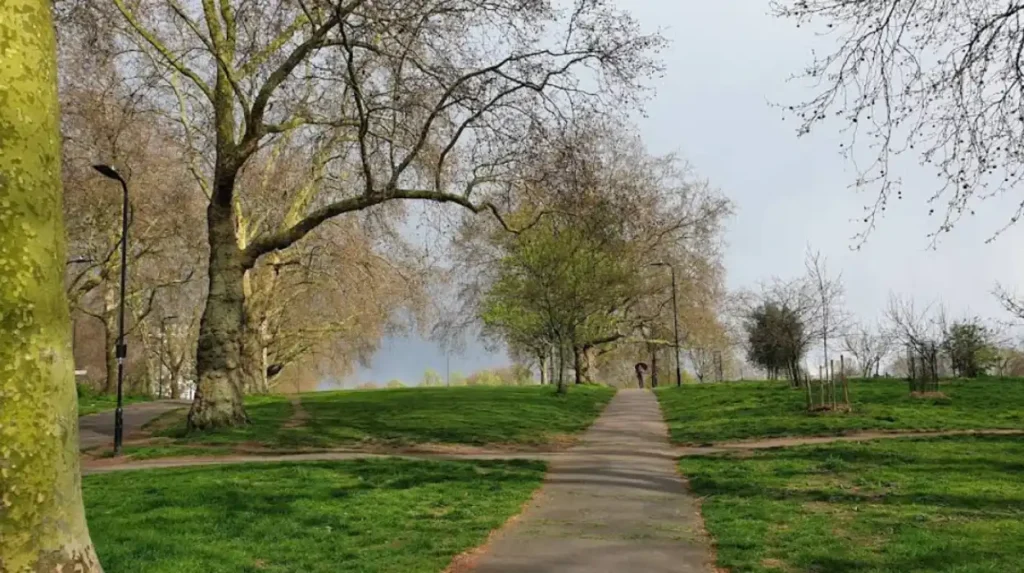
Primary green spaces include London Fields Park (with lido), Clissold Park (Victorian park), Hackney Downs, and Victoria Park nearby; each offers lawns, sports facilities, and scheduled community events.
London Fields Lido is an outdoor heated pool open seasonally with lane swims and leisure swims; entry is by fee and bookable online. Clissold Park has ponds, deer statues, a small animal enclosure, tennis courts, and Grade II listed buildings; it was developed in the late 18th and early 19th centuries and retains historic landscaping features. Hackney Downs offers large open grassland used for informal sports and dog walking. Victoria Park, slightly south of Hackney, is a large municipal park with boating lake, cafés, and event stages during summer. These green spaces support jogging routes, open‑air yoga, and picnics.
How does Hackney’s history shape its present attractions?
Hackney evolved from a rural Middlesex parish to an industrial and immigrant hub; this layered history informs its architecture, markets, music scene, and ongoing regeneration.
Originally a parish in historic Middlesex, Hackney grew rapidly in the 19th century with Victorian housing to serve industrial London; surviving terraces and public buildings date from this era. Post‑war demographic changes and waves of immigration (Caribbean, Turkish, Cypriot, African, Eastern European) created diverse culinary and cultural offerings visible today in markets and restaurants. Late‑20th and early‑21st century regeneration transformed warehouses into galleries, studios, and apartments, especially around Shoreditch and Hackney Wick. As you explore the modern site, you are crossing land with a deep heritage. Read about the full [Insert Anchor Text for History Article Here] to understand its origins.
Where should visitors stay for easy access to Hackney’s highlights?
Choose accommodation in Hackney Central, Dalston, or Homerton for walking access to markets and parks, or near Shoreditch for a mix of nightlife and creative spaces; book early for weekends.
Hackney Central and Dalston provide good local transport links and walking proximity to Broadway Market and the canal, with a mix of boutique hotels, guesthouses, and self‑contained rentals. Shoreditch (bordering Hackney) has a larger hotel inventory and quicker central London access. Homerton and Hackney Wick can be more budget‑friendly and close to creative studios. Weekend demand peaks during festivals and football matches; secure reservations 2–6 weeks ahead in high season. Check the accommodation’s cancellation policy and whether a workspace or reliable Wi‑Fi is provided if remote work is required.
What cultural venues and live‑music spots should travellers prioritise?
Prioritise Hackney Empire for theatre, Oslo/Small‑venue spaces in Dalston for live music, and independent galleries in Hackney Wick for contemporary art; check online listings for current programmes.
Hackney Empire is a Grade II* listed theatre originally opened in 1901 that hosts touring theatre, dance, and comedy; book tickets in advance for headline acts. Dalston venues host smaller live‑music nights spanning jazz, electronic, and indie genres with capacity for standing audiences and seated events. Hackney Wick contains studio complexes and artist‑led galleries in converted industrial spaces; many host regular open‑studio events and private viewings. Check official venue websites for age restrictions, ticket prices, and programme schedules.
How safe is Hackney for first‑time visitors and what precautions are sensible?
Hackney is generally safe for daytime sightseeing; standard urban precautions apply — watch possessions, stick to well‑lit streets at night, and use authorised taxis or ride‑hail services for late travel.
Local safety levels vary by neighbourhood and time of day. Daytime markets and parks are busy and suitable for families; at night some streets have reduced footfall and fewer transport options. Keep valuables close, avoid displaying expensive electronics unattended, and plan routes using wayfinding apps that show live transport options. In emergencies call UK police on 999; for non‑urgent matters use 101. Travel insurance covering theft and medical attention is advisable for international visitors.
What are recommended walking routes and short itineraries for 4–8 hours?
Suggested 6‑hour itinerary: start at Broadway Market (market and brunch), walk Regent’s Canal to London Fields (lido and picnic), head to Hackney Central (shops and library), end with evening music in Dalston.
Begin with Saturday market hours for full Broadway Market experience; buy breakfast from a bakery stall. Walk the Regent’s Canal towpath eastwards toward London Fields, enjoying waterside views and street art. Lunch near London Fields and, if time allows, swim at the lido (seasonal booking). In the afternoon explore Hackney Central shops and Hackney Central Library for local events and historical displays. Finish the day in Dalston with dinner and live music at a venue that lists late performances. Adjust travel for public‑holiday closures and check seasonal opening times for outdoor pools.
What are practical tips for budgeting and timing visits?
Daily visitor budgets vary: economy visitors can expect £30–£60; mid‑range £70–£150; higher budgets depend on dining and ticketed events. Visit outside peak commuter times for shorter transit.
For economy travel, use market food and cafés, walk between close neighbourhoods, and use free attractions (parks and canals). Mid‑range budgets include modest restaurant meals, paid exhibitions, and single‑day coworking passes. Evening shows and theatre tickets commonly range from £15–£60 depending on the programme and seating. Many markets and shops are busiest between 11:00–15:00 on Saturdays; arrive early to avoid queues and secure seating at popular cafés. Consider an Oyster or contactless card for single fares and daily capping on public transport.
How does Hackney support accessibility and family needs?
Hackney offers accessible transport links, parks with accessible paths, and family‑friendly attractions such as playgrounds and open‑air spaces; check venue accessibility details prior to visiting.
Public transport stations indicate step‑free access on TfL maps; some Overground stations have lifts and ramps, but older stations may have steps. Clissold Park and London Fields have pathways suitable for pushchairs; Clissold Park’s animal enclosure is a family draw. Many museums and galleries publish accessibility statements covering accessible toilets and hearing‑loop systems. If travelling with children, plan for rest breaks and confirm family facilities at cafés and cultural venues before arrival.
What are Hackney’s seasonal events that affect visitor planning?
Key recurring events include summer open‑air festivals, late‑spring and summer market seasons, community carnivals, and occasional football‑related demand spikes; these affect accommodation and transport availability.
Summer months host outdoor events and pop‑ups on park lawns and canal sides; local festivals increase footfall and noise but enhance cultural offerings. Market activity peaks in spring and summer when traders add outdoor seating and stalls expand. Football season and large concerts in neighbouring boroughs can raise demand for short‑stay rentals and evening hospitality. Check event calendars for Hackney borough and official venue pages for festival dates and ticket releases before finalising bookings.
What practical steps should travellers take before arrival?
Book accommodation and major event tickets in advance, confirm transport options from arrival points (airports, train stations), and download local maps and payment apps for contactless fares.
If arriving from airports, plan an onward journey using National Rail, TfL connections, or direct coach services to central London then Overground or bus to Hackney. Verify mobile roaming or buy a local SIM for reliable data if you need constant connectivity. For longer remote‑work stays, contact chosen accommodation about Wi‑Fi speed and workspace availability. Keep digital and printed copies of reservations and emergency numbers.
Support independent businesses, respect public spaces, and follow posted guidance for parks and waterways to reduce environmental impact and maintain good community relations.
Hackney’s independent traders and artist communities rely on visitor spend; favouring local cafés, markets, and galleries ensures funds remain within the area. Use public bins and avoid littering, especially near canals and parks where wildlife is vulnerable. Many local organisations run community clean‑ups and volunteering opportunities; participating supports sustainable tourism practices and deeper local engagement.