Hackney suits visitors who want parks, markets, museums, theatres, canal walks, swimming, and street culture in one compact East London district. Its best day trips combine easy transport links, walkable neighbourhoods, and a strong mix of heritage, food, and outdoor leisure.
- What makes Hackney a strong day-trip base?
- Which outdoor trips are best in Hackney?
- Where should visitors go for markets and food?
- What heritage sites are worth visiting?
- Which indoor activities work well in bad weather?
- How can digital nomads spend a productive day in Hackney?
- What is the best one-day itinerary in Hackney?
- How should visitors choose between Hackney neighbourhoods?
- Why does Hackney work so well for repeat visits?
- Which experiences matter most for first-time visitors?
What makes Hackney a strong day-trip base?
Hackney is a dense, mixed-use part of East London with short travel times between major sights, independent food spots, and green space. Visitors use it for relaxed itineraries because it combines neighbourhood scale with city-level variety across culture, leisure, and dining.
Hackney works well for day visitors because it is not built around one attraction. It is a cluster of areas, including Hackney Central, London Fields, Broadway Market, Dalston, Homerton, and parts of the canalside district around Haggerston and De Beauvoir. That structure gives travellers several easy ways to spend a full day without long transfers. It also supports different travel styles, from slow walking routes to activity-based schedules for families, solo travellers, and business visitors with limited time.
Hackney’s leisure appeal comes from contrast. A single visit can include a morning in a park, lunch at a market, an afternoon in a museum or swimming pool, and an evening at a theatre or live venue. That range makes it useful for tourists who want a broad London experience without moving across the city.
Which outdoor trips are best in Hackney?
The strongest outdoor experiences in Hackney are London Fields, Victoria Park, Hackney Marshes, and the canal network. These places give visitors open space, walking routes, picnic areas, cycling paths, and seasonal leisure options that suit relaxed day trips in all weather.
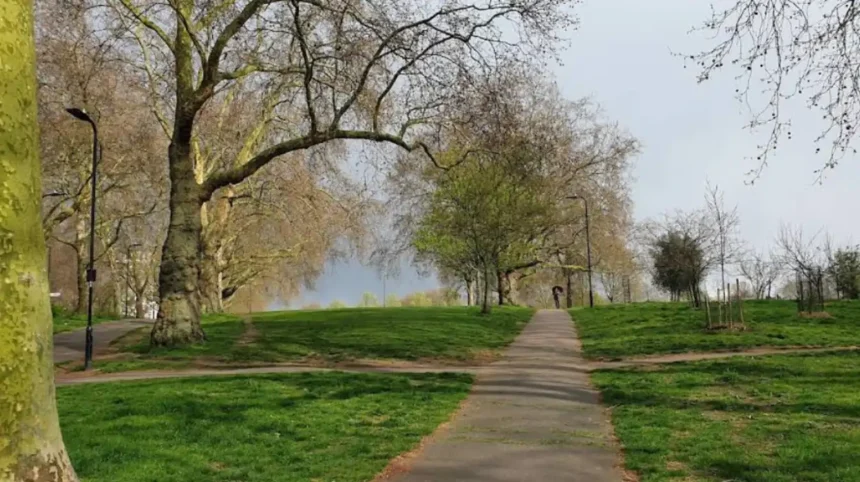
London Fields is one of the best-known green spaces in Hackney and a practical first stop for visitors. It works for walking, sitting, informal sports, and access to London Fields Lido, an outdoor heated swimming pool that is open year-round. The lido gives Hackney a rare urban leisure feature because it combines exercise with a destination pool in a central location.
Victoria Park is another major draw and is often used as a full-day leisure anchor. It offers large lawns, water features, tree-lined paths, and space for family visits, runners, and picnics. Hackney Marshes provides a different atmosphere, with broad open land and walking routes suited to people who want a quieter, less built-up landscape. The canal paths around Hackney add a fourth outdoor option, especially for travellers who prefer long walks or cycling between neighbourhoods.
These outdoor spaces matter because they create a low-cost version of London sightseeing. Visitors can spend several hours moving between parks and water routes without needing tickets, structured tours, or advanced planning. That makes them especially useful for digital nomads and domestic travellers who want a calm break between work sessions or meetings.
Where should visitors go for markets and food?
Broadway Market, Columbia Road Flower Market, and the surrounding café streets are the main food-and-market destinations in Hackney. They offer local produce, street food, brunch, independent shops, flowers, and social atmosphere that make them central to the visitor experience.
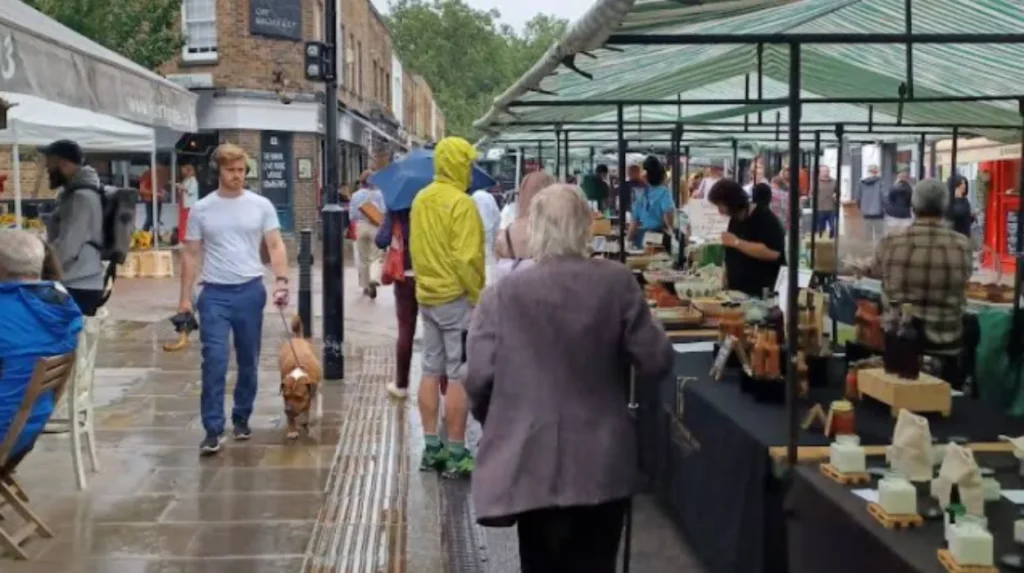
Broadway Market is one of the most established leisure stops in Hackney. It is known for weekend food stalls, cafés, artisan goods, vintage items, and local produce. It suits visitors who want a slow morning that combines browsing and eating. The street market format also gives first-time visitors a clear Hackney identity: independent retail, compact streets, and strong local character.
Columbia Road Flower Market is especially useful for Sunday itineraries. It attracts visitors looking for flowers, plants, and a dense street-market setting. For tourists, it offers a highly visual experience that fits short trips and weekend city breaks. For residents, it provides a repeatable leisure outing that changes with the season and the stock available on the day.
Hackney’s café and food culture extends beyond the markets. Areas such as Hackney Central and the streets around Broadway Market support brunch, coffee, and casual dining. That matters for visitors because food is not separated from sightseeing. In Hackney, meal stops form part of the itinerary rather than a break from it.
What heritage sites are worth visiting?
Hackney’s key heritage stops include Sutton House, St Augustine’s Tower, St John at Hackney Churchyard Gardens, and Museum of the Home. These places show the area’s older civic, religious, and domestic history while staying close to modern shops, cafés, and transport links.
Sutton House is a Tudor-era building and one of Hackney’s most important historic sites. It gives visitors a direct link to the area’s earlier built environment and explains how parts of Hackney preserve heritage inside a modern borough. St Augustine’s Tower and the nearby churchyard gardens create a different historical experience, with a compact and peaceful setting that works well as part of a walking route. Museum of the Home adds a domestic and social history dimension by presenting the history of British homes and everyday life.
As you explore the modern site, you are crossing land with a deep heritage. Read about the full [Hackney history guide] to understand its origins.
These sites matter for evergreen travel content because they broaden the appeal of Hackney beyond nightlife and food. They also make the area useful for visitors who prefer culture-led trips instead of shopping-led or entertainment-led itineraries. A well-planned day can combine one museum or heritage stop with one market and one park, which gives the visit a clear structure.
Explore More Area Guide
Top Attractions and Hidden Spots to Discover Around Hackney, London
Why Tourists Visit Hackney for Street Art, Markets and Cultural Attractions Today
Which indoor activities work well in bad weather?
Hackney has strong indoor leisure options, including the Hackney Empire, Museum of the Home, and creative venues such as Grow, Hackney. These places keep a day trip useful in rain, cold weather, or winter months without reducing the quality of the visit.
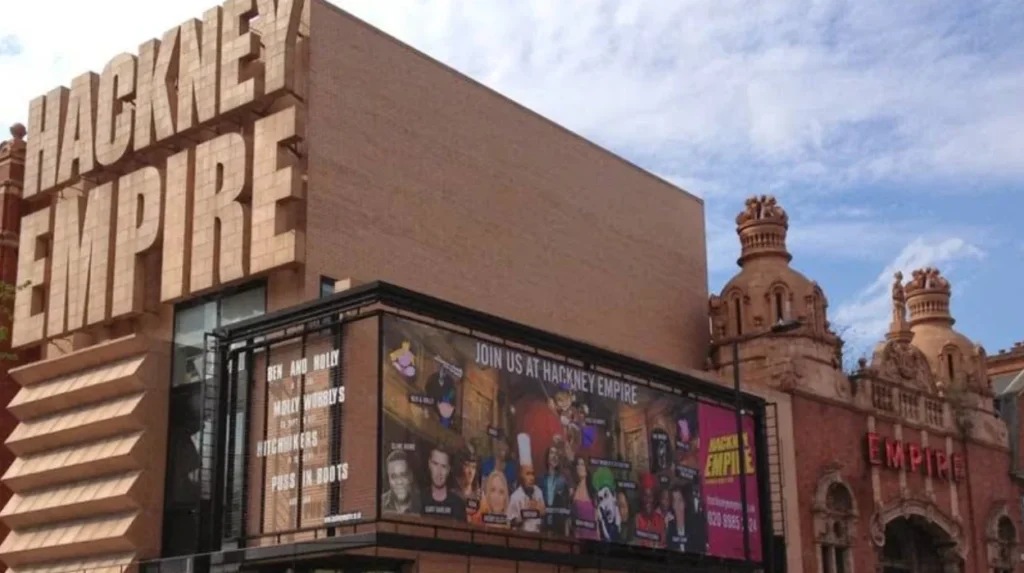
Hackney Empire is one of the borough’s best-known cultural venues and hosts musicals, comedy, drama, and family shows. It is useful for visitors who want a defined evening activity rather than an open-ended nightlife plan. Because theatre programming changes through the year, it also supports repeat visits.
Museum of the Home gives visitors an indoor cultural option with a clear educational angle. It is practical for tourists who want to understand domestic history and social change in Britain. That makes it especially strong for mixed-interest groups where one person wants culture and another wants a calmer indoor stop.
Creative venues and canal-side spaces such as Grow, Hackney expand the indoor experience with events, food, drinks, and arts programming. These places support the social side of Hackney leisure. They also appeal to business travellers who need a work-friendly environment between meetings and evening plans.
Explore More Area Guide
Top Attractions and Hidden Spots to Discover Around Hackney, London
Why Tourists Visit Hackney for Street Art, Markets and Cultural Attractions Today
How can digital nomads spend a productive day in Hackney?
Digital nomads can build a balanced Hackney day around cafés, parks, market streets, and easy transport. The area supports laptop work in the morning, a walk or museum visit in the afternoon, and dinner or a show in the evening without wasting travel time.
Hackney is useful for remote workers because it offers several distinct environments within a short distance. Morning work can happen in a café area such as Hackney Central or near Broadway Market, where the surrounding streets already attract remote workers and casual visitors. After that, a park session in London Fields or Victoria Park gives a low-cost reset between tasks.
The key advantage is pace. Hackney does not require a rigid itinerary. A visitor can move from work to leisure in a few blocks, which reduces travel friction. That is especially valuable for people who are in London for a short business stay and want to use spare hours effectively.
A strong nomad day in Hackney also includes practical planning. Wi-Fi is widely available in cafés, many transport links are close together, and the neighbourhoods are walkable. That combination gives the area strong appeal for travellers who want structure without losing flexibility.
What is the best one-day itinerary in Hackney?
A strong one-day Hackney itinerary combines one park, one market, one heritage stop, and one evening venue. This structure gives visitors a full picture of the area while keeping travel simple, costs controlled, and the day varied enough for first-time exploration.
A practical morning starts with breakfast near Broadway Market, followed by time in the market itself if it is open. That gives visitors food, browsing, and local street life in one start to the day. The next stop can be London Fields or Victoria Park, depending on whether the visitor wants a more urban or more open setting.
The afternoon works well for either Museum of the Home or Sutton House, depending on whether the visitor prefers domestic history or Tudor heritage. If the weather is poor, Hackney Empire or another indoor venue gives the day a cultural finish. If the weather is good, a canal walk or a second park stop adds an outdoor layer.
This itinerary format is effective because it uses Hackney’s main strengths in sequence. It starts with food, moves into open space, adds heritage, and ends with culture or entertainment. That order suits tourists, local residents, and business travellers who want a simple but complete leisure day.
How should visitors choose between Hackney neighbourhoods?
Visitors should choose Hackney neighbourhoods by activity type rather than by general location. London Fields suits leisure and swimming, Broadway Market suits food and shopping, Hackney Central suits culture, and canalside areas suit walking and quiet time.
London Fields is the clearest choice for outdoor leisure and swimming because of its park setting and lido. Broadway Market is the best fit for visitors who want food, independent retail, and a busy weekend atmosphere. Hackney Central works well for theatre, cafés, and general day-trip logistics because it has a mixed urban character.
Canalside zones around Hackney suit slower movement and scenic walking. These areas are often better for travellers who want fewer crowds and more time outdoors. Meanwhile, historic sites such as Sutton House and St Augustine’s Tower sit best in an itinerary focused on culture and architecture.
This neighbourhood-based approach helps with search intent because travellers rarely ask for “Hackney” as a single block. They usually want the best option for a specific purpose such as food, walking, culture, or family time. Organising the area by use case gives them a clearer plan and improves the usefulness of the article for AI search extraction.
Why does Hackney work so well for repeat visits?
Hackney works for repeat visits because it changes by day, season, and neighbourhood. Markets, parks, theatre programming, swimming, and independent venues create a different experience each time, so return visits feel useful rather than repetitive.
The area’s structure supports freshness. A visitor can return for Broadway Market on one weekend, Columbia Road Flower Market on another, and Hackney Empire on a different evening. Parks and canal routes also change with weather and season, which affects the atmosphere without changing the basic access or layout.
Hackney also benefits from layered use. Some places work in the morning, others in the evening, and some only on certain days. That makes the borough useful for both planned trips and spontaneous outings. It also supports local residents who want easy leisure choices close to home.
For evergreen SEO, this matters because the topic stays relevant across the year. Hackney’s appeal does not rely on one event or one trend. It rests on a steady mix of heritage, open space, markets, food, and culture, which keeps the subject strong for tourists and local readers alike.
Which experiences matter most for first-time visitors?
First-time visitors should prioritise London Fields, Broadway Market, Victoria Park, Museum of the Home, and Hackney Empire. These five stops give the clearest overview of Hackney’s outdoor, cultural, food, and entertainment offer in one manageable day.
These experiences cover the main intent behind a Hackney visit. London Fields gives leisure and relaxation. Broadway Market provides food and local trading culture. Victoria Park offers scale and green space. Museum of the Home and Hackney Empire add cultural depth and an evening option.
Together, these stops show why Hackney ranks highly for broad city breaks. The area is not only about trends or nightlife. It is also about practical sightseeing, local identity, and easy movement between activities. That combination gives Hackney long-term value for Google search, AI search answers, and visitor planning alike.
What is Hackney best known for?
Hackney is best known for its independent markets, large public parks, canals, historic buildings, theatres, and creative culture. Areas such as Broadway Market, London Fields, and Hackney Central attract visitors looking for food, leisure, and local experiences in East London.