Key Points
- Funding Secured: Barking and Dagenham Council has successfully secured £100,000 from the Mayor of London’s Summer Streets programme.
- Exclusive Selection: The borough was chosen as one of only four ‘Large Al Fresco’ projects across the entirety of London.
- Infrastructure Upgrades: Six shipping container-style food stalls are scheduled to be installed at Short Blue Place in Barking, situated directly outside McDonald’s.
- Cultural Integration: The funding will simultaneously finance a series of summer cultural events and performances curated by artsdepot.
- Economic Objectives: The initiative directly aims to boost the local evening economy, increase footfall, and support local entrepreneurial businesses.
Barking and Dagenham Council (East London Times) July 1, 2026 – The Mayor of London’s Summer Streets fund has officially allocated £100,000 to Barking and Dagenham Council to initiate a comprehensive summer transformation of Barking town centre.
- Key Points
- Where Will the New Infrastructure Be Installed and What Will It Contain?
- Which Cultural Events Are Planned for Barking This Summer?
- What Do Local Authority Leaders Say About the Impact on the Local Economy?
- How Does the Greater London Authority View the Return of the Summer Streets Initiative?
- Background of the Mayor’s High Street Revitalisation Schemes
- Prediction: How This Development Can Affect Local Small Businesses and Residents
According to official municipal statements released by the local authority, Barking and Dagenham was selected as one of just four areas across Greater London to receive the “Large Al Fresco” project designation.
The capital injection is explicitly designed to stimulate local commercial activity, encourage open-air dining, and establish a series of public cultural activities over the summer months.
Where Will the New Infrastructure Be Installed and What Will It Contain?
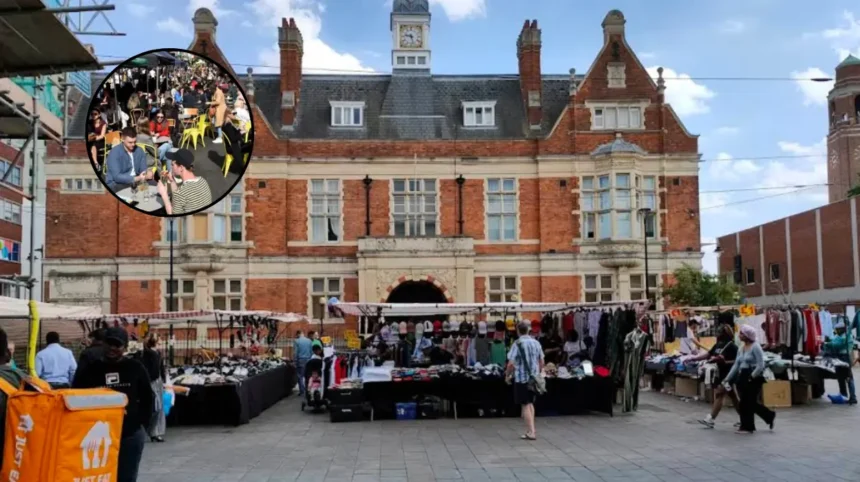
The physical focal point of this economic development will be situated at Short Blue Place in Barking, specifically positioned outside the existing McDonald’s premises.
The council has confirmed that six semi-permanent shipping container-style food stalls will be erected at this location.
As detailed in the project specifications, this designated street food market is intended to showcase the borough’s demographic diversity by intentionally reflecting the varied cultures and cuisines present within the local community.
Which Cultural Events Are Planned for Barking This Summer?
In tandem with the culinary market expansion, Barking town centre is scheduled to host a series of live performances and cultural events.
The programming for these public animations is being curated by artsdepot, a established cultural hub and artistic organisation.
While the council has stated that the complete schedule of dates and specific performers will be made public in a subsequent announcement, the events are intended to run concurrently with the al fresco dining initiative to create an interactive public space.
Explore Barking and Dagenham Council News
Barking and Dagenham Approves New Development Plans: London 2026
Labour Retains Control of Barking and Dagenham Council 2026
What Do Local Authority Leaders Say About the Impact on the Local Economy?
As reported in the official council disclosures, Councillor Rubina Siddiqui, the Cabinet Member for Inclusive Economy and Skills, emphasised the developmental potential of the cash injection for local traders. Councillor Siddiqui stated that:
“This is another example of how, in Barking and Dagenham, it starts here. This funding will help create a more vibrant Barking Town Centre by supporting local businesses, giving residents even more great food options, and creating a welcoming destination where people can come together.”
Siddiqui further noted the local government’s strategic focus, adding:
“We’re committed to strengthening our food economy and bringing more cultural events into the town centre, making it an even better place to live, work and visit.”
Providing further institutional context, Councillor Dominic Twomey, the Leader of Barking and Dagenham Council, linked the modern development to the geographic history of the area. As documented by municipal records, Councillor Twomey stated:
“We’re delighted to be part of the Mayor of London’s Summer Streets programme and the opportunities it will bring to Barking Town Centre. This investment builds on Barking’s proud history as a market town by supporting local entrepreneurs, increasing footfall and creating a stronger evening economy.”
Twomey concluded his assessment by outlining the broader structural objectives of the project:
“By enhancing our market offer, creating attractive spaces for people to gather, eat and enjoy cultural events, we’re helping to build a town centre that is lively, inclusive and thriving.”
How Does the Greater London Authority View the Return of the Summer Streets Initiative?
The project represents a wider regional strategy managed by the Greater London Authority (GLA) to revitalise urban high streets following long-term shifts in consumer shopping habits.
Commenting on the pan-London rollout, London’s Deputy Mayor for Culture and Creative Industries, Justine Simons, confirmed the operational expansion of the scheme. As recorded by City Hall media representatives, Deputy Mayor Simons stated:
“I am delighted that Summer Streets is back for a second year, bringing al fresco dining, live music and events to streets right across our capital.”
Simons highlighted the intended intersection between public art and commercial survival, noting:
“London’s incredible culture and creativity can bring out the very best in our high streets and public spaces, and this fund gives boroughs and businesses the tools to make that happen. I can’t wait to see Londoners and visitors enjoy everything on offer this summer, as we build a better London for everyone.”
Background of the Mayor’s High Street Revitalisation Schemes
The Summer Streets programme was originally conceived by the Greater London Authority as a direct response to declining daytime footfall and structural economic challenges facing traditional London high streets.
Following its pilot year, the scheme was renewed for a second term to specifically target sub-regional town centres outside of Central London’s primary tourism zones.
Barking has historically operated as an essential market town in East London, with its market rights dating back to historical charter periods. However, recent economic shifts have pressured local brick-and-mortar retail sectors, prompting the local authority to actively seek external structural grants.
By converting open concrete public areas like Short Blue Place into managed food and beverage zones, the council is attempting to pivot the town centre from a purely retail-driven hub into a leisure and evening destination.
Prediction: How This Development Can Affect Local Small Businesses and Residents
The introduction of the shipping container market and curated cultural events is expected to alter the economic dynamics of Barking town centre over the short-to-medium term.
For local food entrepreneurs, the provision of semi-permanent shipping containers significantly lowers the entry barriers to commercial real estate, allowing micro-businesses to trade without the high overhead costs of traditional commercial leases.
Conversely, established brick-and-mortar restaurants in the immediate vicinity may face heightened competition for daytime and evening dining market share.
However, if the artsdepot performances successfully generate the projected increase in footfall, peripheral businesses—such as transport providers, convenience stores, and traditional retail outlets—are likely to experience a positive spillover effect from the increased volume of visitors remaining in the town centre after standard business hours.
Impact on the Local Resident Demographics
For the resident population of Barking and Dagenham, the immediate effect will manifest as an increase in localized culinary and leisure options, reducing the necessity to travel to central London or neighbouring boroughs for evening entertainment.
The deliberate curation of diverse food stalls is intended to foster greater social inclusion within a rapidly changing demographic landscape.
However, residents living in close proximity to Short Blue Place may experience minor disruptions, including altered pedestrian traffic flows, elevated ambient noise levels during scheduled live performances, and stricter local waste management requirements necessitated by increased outdoor food consumption.