
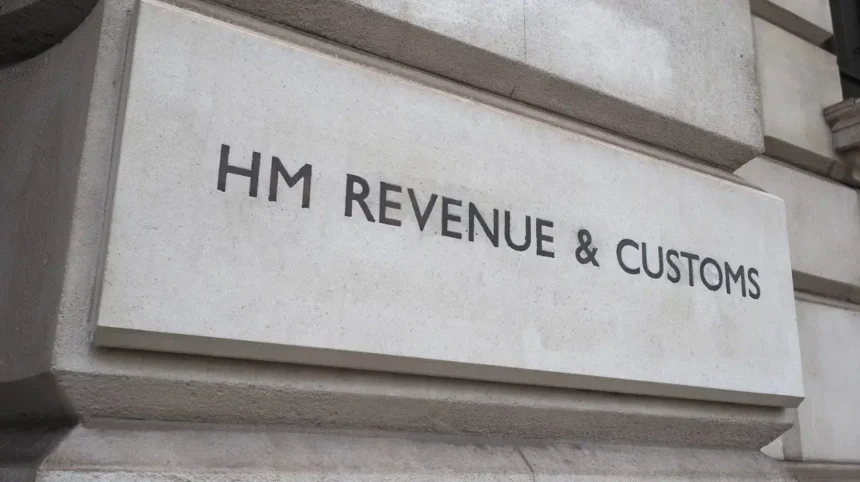
Several individuals and businesses from East London have been publicly identified in HM Revenue & Customs’ (HMRC) latest list of deliberate tax defaulters, highlighting the government’s continued efforts to tackle serious tax fraud and deliberate non-compliance.
The quarterly publication, commonly known as HMRC’s “name and shame” list, identifies taxpayers who deliberately failed to meet their tax obligations and received substantial financial penalties following official investigations. Those included on the register have either deliberately submitted inaccurate tax information or intentionally failed to pay taxes owed to HMRC.
According to the latest figures, several businesses and individuals connected to East London have appeared on the June 2026 list. The publication includes the names of those found to have committed deliberate tax defaults where the unpaid tax exceeded £25,000 and financial penalties became final after investigations or appeals were concluded.
HMRC publishes the register under powers granted by the Finance Act 2009, aiming to improve transparency and discourage tax evasion by making serious offenders publicly identifiable. Officials stress that inclusion on the list does not necessarily mean the taxpayer still owes money, as many cases involve penalties that have already been settled. Instead, the publication reflects deliberate failures discovered during investigations.
The East London entries span a variety of industries, demonstrating that deliberate tax noncompliance can occur across different sectors of the economy. Businesses involved range from construction and retail to hospitality and professional services, while some individuals were listed for failures relating to personal tax obligations.
HMRC says information remains publicly available for up to 12 months before being removed, provided no further qualifying offences occur. The department also notes that businesses currently operating from listed addresses may have no connection to those named, as ownership or management may have changed since the offences took place.
Tax specialists say the publication serves both as a deterrent and a reminder of HMRC’s increasingly sophisticated compliance work. Modern investigations frequently use digital data analysis, crosschecking of financial records and information sharing with other government agencies to identify suspicious tax activity.
The government has continued investing in measures designed to reduce tax avoidance and evasion, arguing that unpaid taxes place additional pressure on public finances and create unfair competition for businesses that fully comply with tax laws.
HMRC distinguishes deliberate tax defaults from genuine mistakes. Only taxpayers found to have intentionally failed to meet their obligations—and who receive penalties involving tax above the statutory threshold—are eligible for publication on the register. Those who fully cooperate during investigations and make complete disclosures may qualify for reduced penalties and, in some cases, avoid being named publicly.
Financial advisers encourage businesses to maintain accurate accounting records and seek professional tax advice where necessary, particularly as compliance requirements become increasingly complex. They also recommend addressing any discrepancies voluntarily before formal investigations begin.
For residents and business owners across East London, the latest publication reinforces HMRC’s commitment to tackling deliberate tax fraud while promoting fairness across the UK‘s tax system. As enforcement activity continues, officials say transparency remains an important tool in encouraging voluntary compliance and protecting public revenue.